

- 14
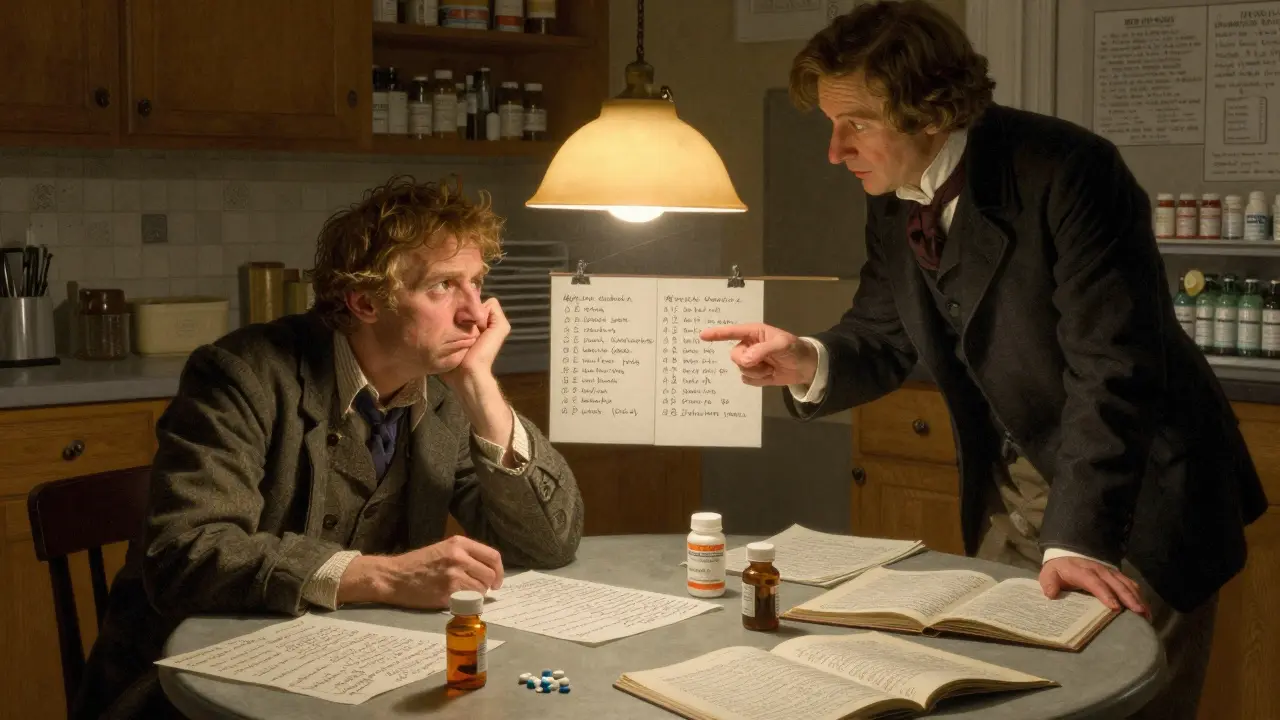
When you leave the hospital, your body is still healing. But the real danger doesn’t always come from your illness-it comes from your medications. Too often, patients go home with confusion, missing pills, extra doses, or conflicting instructions. A 2023 study found that nearly 1 in 3 people leave the hospital with at least one medication error. These aren’t small mistakes. They lead to trips back to the ER, dangerous side effects, and even preventable deaths.
Why Medication Reconciliation Matters After Hospital Discharge
Medication reconciliation isn’t just paperwork. It’s the process of making sure every drug you’re taking at home matches exactly what the hospital told you to take when you left. This isn’t optional-it’s a federal quality standard called NQF 0097, required by Medicare and Medicaid since 2017. Hospitals and clinics are measured on how well they do this. And if they fail, they lose money. The problem is simple: during your hospital stay, your meds change. An anticoagulant gets paused. A blood pressure pill gets doubled. A painkiller you’ve been on for years gets stopped. But when you go home, your regular doctor might not know. Your pharmacist might not know. And you? You’re tired, overwhelmed, and trying to remember if you’re supposed to take that blue pill before or after breakfast. Without reconciliation, 30-70% of patients have at least one mismatch between what they were taking before admission and what they’re told to take after discharge. That’s not rare. That’s the norm.Who’s Responsible for Getting It Right?
Many assume the hospital’s discharge team handles everything. But they don’t. Their job ends when you walk out the door. The real work starts when you get home-and that’s where your primary care provider (PCP), pharmacist, or care coordinator steps in. The rules are clear: only one person can bill for a formal post-discharge medication review under Medicare’s Transitions of Care codes (99495 or 99496). That means if your PCP and your cardiologist both try to do it, only one gets paid. This creates a dangerous gap. Specialists focus on their area. Your PCP might not have time. And you? You’re stuck in the middle. The best solution? Pharmacists. Research shows pharmacist-led reconciliation reduces medication errors by 32.7% and cuts 30-day readmissions by 28.3%. Pharmacists don’t just check lists-they call you. They ask: “Did you fill that new prescription?” “Are you still taking your old heart pill?” “Did your cousin give you that herbal supplement?” They get the real story.What Needs to Be Compared?
Reconciliation isn’t just about pills. It includes everything you take:- Prescription drugs
- Over-the-counter meds (like ibuprofen or antacids)
- Vitamins and supplements (even “natural” ones)
- Topical creams and eye drops
- Herbal remedies and teas
How to Prepare Before You Leave the Hospital
Don’t wait until you get home. Start now.- Make a current list of everything you take at home-name, dose, frequency, reason. Include even the small stuff. Write it down. Don’t rely on memory.
- Bring this list to the hospital. Give it to the nurse or pharmacist on admission. Ask them to compare it with what they plan to give you.
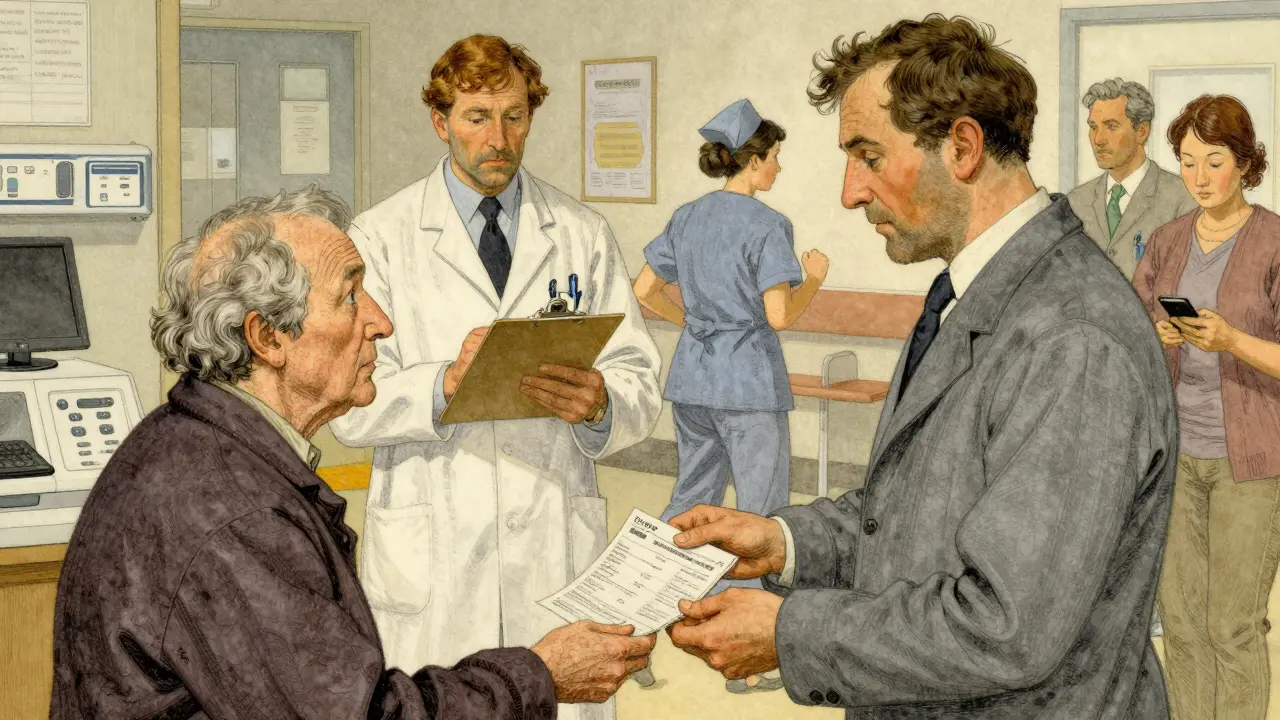
- When you’re discharged, ask for a printed copy of your updated medication list. Make sure it’s signed and dated.
- Ask: “What changed? Why? What should I watch for?”
- Get the name and number of the person to call if you have questions after you leave.
What Happens After You Get Home?
The clock starts ticking. You have 30 days to complete reconciliation. But don’t wait until day 29. Here’s what to do:- Within 7 days, schedule a follow-up with your PCP or pharmacist. Don’t wait for them to call you.
- Bring your hospital discharge list and your home list side by side.
- Ask: “Is this list accurate? Are any of these drugs supposed to be stopped? Are any missing?”
- If you didn’t fill a new prescription, tell them why. Maybe it was too expensive. Maybe you felt better and thought you didn’t need it. That’s critical info.
- Ask your pharmacist to run a drug interaction check. Some meds don’t mix-even if they’re “safe” on their own.
Common Pitfalls and How to Avoid Them
Here are the mistakes most people make-and how to dodge them:- Assuming the hospital told your doctor. They didn’t. EHR systems don’t talk to each other. Only 32% of hospitals have fully integrated records with outpatient clinics.
- Not checking refill dates. You might be told to take a new drug “as needed.” But if you don’t refill it, you’re not taking it. And if you refill it without checking, you might be doubling up.
- Ignoring over-the-counter meds. Taking Tylenol with blood thinners? That’s risky. Your doctor might not know you’re taking it.
- Waiting for a follow-up appointment. Many people don’t get seen until 4-6 weeks after discharge. That’s too late. A 30-day window isn’t a suggestion. It’s a deadline.
- Not telling your pharmacist about herbal supplements. St. John’s Wort can cancel out antidepressants. Garlic supplements can thin your blood. These aren’t harmless.
What If You Can’t Get an Appointment?
You don’t need to wait for a doctor’s visit to get your meds checked. There’s another option: CPT code 1111F. This is a billing code for medication reconciliation done without an office visit. That means your doctor’s office can call you, video chat you, or even text you to review your list. Ask your PCP: “Can you do a phone reconciliation using code 1111F?” If they say no, ask why. If they don’t know what you’re talking about, find someone who does. Many community pharmacies now offer free post-discharge medication reviews. Call your local pharmacy. Ask if they have a pharmacist available to walk through your meds. You don’t need a referral. You don’t need insurance. Just show up with your list.
Technology Can Help-But It’s Not Enough
New tools are emerging. AI systems scan your EHR and flag mismatches. Apps let you upload your pill bottles and sync them with your doctor’s system. Medicare Advantage plans now cover medication therapy management. But tech doesn’t replace human conversation. An algorithm can’t know you stopped your diuretic because you didn’t want to pee every two hours. It can’t hear the hesitation in your voice when you say, “I can’t afford this.” The most effective systems combine tech with human touch. A pharmacist calls. You talk. You admit you’re scared. You say you don’t understand why you need five new pills. And then-finally-you get clarity.What You Can Do Right Now
You don’t need to wait for your next appointment. Start today:- Find your hospital discharge medication list. If you don’t have it, call the hospital’s medical records department.
- Find your pre-hospital list. Look in your pill organizer, your phone notes, or your pharmacy’s app.
- Put them side by side. Circle anything that’s different.
- Write down three questions: “Why was this changed?” “Is this new drug safe with my other meds?” “What should I do if I feel worse?”
- Call your pharmacy. Ask if they can review your list. Do it before you refill anything.
When to Call for Help
If you notice any of these after discharge, act immediately:- New dizziness, confusion, or fainting
- Unexplained bruising or bleeding
- Swelling in your legs or ankles
- Severe nausea or vomiting
- Feeling worse instead of better
What is medication reconciliation after hospital discharge?
Medication reconciliation is the process of comparing your home medication list with the list you were given when you left the hospital. The goal is to find and fix any differences-like missing drugs, wrong doses, or unnecessary changes-to prevent dangerous errors. It’s a federally required safety step for all patients discharged from inpatient care.
Who is responsible for doing medication reconciliation?
While hospitals provide a discharge list, the responsibility for confirming accuracy falls on your outpatient provider-usually your primary care doctor or pharmacist. Pharmacists are especially effective at this, with studies showing they reduce medication errors by over 30%. Only one provider can bill Medicare for a formal reconciliation visit per discharge, which sometimes causes confusion between doctors and specialists.
Do I need to see my doctor for reconciliation?
No. You don’t need an in-person visit. Medicare allows reconciliation via phone, video call, or secure messaging using code 1111F. Many pharmacies also offer free post-discharge reviews. You just need to provide your current and discharge medication lists. Don’t wait for an appointment-call your pharmacist today.
What if I can’t afford my new prescriptions?
Tell your pharmacist or doctor immediately. Many medications have patient assistance programs, generic alternatives, or mail-order options. Stopping a drug because you can’t pay for it is a leading cause of hospital readmission. Your provider can often adjust your plan, switch to a cheaper option, or connect you with financial aid.
Why are over-the-counter meds and supplements included?
Because they matter. Aspirin, ibuprofen, and garlic supplements can thin your blood. St. John’s Wort can cancel out antidepressants. Vitamins can interfere with chemo or dialysis. Your doctor might not know you take them. Including them in reconciliation prevents dangerous interactions that could send you back to the hospital.
How soon after discharge should reconciliation happen?
Within 30 days is the official deadline. But the safest window is within 7 days. Studies show patients who get reviewed in the first week are far less likely to have errors or be readmitted. Don’t wait until you feel sick. Act before it’s too late.
Can my specialist and my primary doctor both do reconciliation?
No. Medicare only allows one provider to bill for a Transitions of Care visit (99495/99496) per discharge. This creates a gap where neither provider takes full responsibility. To avoid this, ask your PCP to coordinate the review and share the results with your specialist. Or, use a pharmacist-someone who isn’t tied to billing rules.
What if I don’t remember all my medications?
Bring your pill bottles, pharmacy receipts, or a photo of your pill organizer to your appointment. Your pharmacist can scan your prescription history and find what you’ve filled in the last 6 months. You don’t have to remember everything. Just bring what you have.
Hanna Spittel
December 30, 2025 AT 17:09John Chapman
December 31, 2025 AT 14:44Urvi Patel
December 31, 2025 AT 18:11anggit marga
January 2, 2026 AT 10:36Martin Viau
January 3, 2026 AT 17:23Bennett Ryynanen
January 4, 2026 AT 22:26Chandreson Chandreas
January 6, 2026 AT 03:11Lawver Stanton
January 7, 2026 AT 06:34Sara Stinnett
January 8, 2026 AT 19:41linda permata sari
January 9, 2026 AT 09:16Brandon Boyd
January 9, 2026 AT 13:30Branden Temew
January 11, 2026 AT 03:28Paul Huppert
January 12, 2026 AT 14:57Brady K.
January 13, 2026 AT 03:11