Cardiovascular Risk: What It Is, How It Builds, and What You Can Do
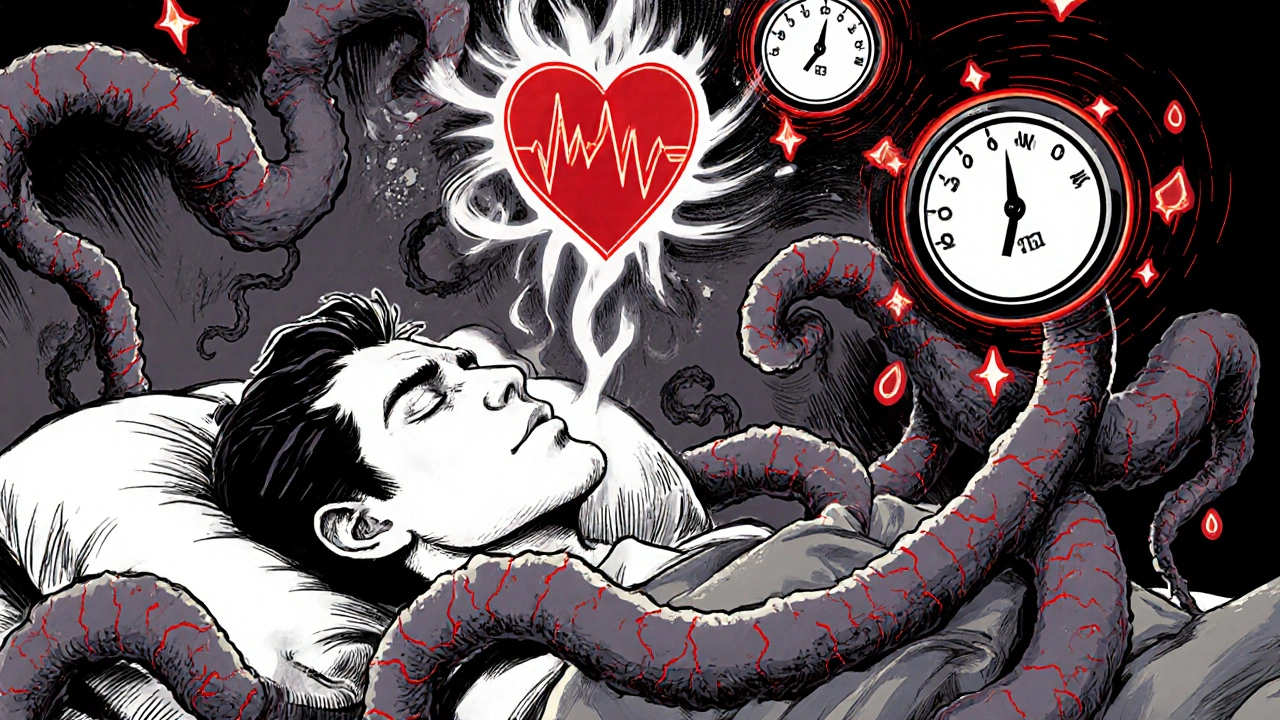
When we talk about cardiovascular risk, the likelihood of developing heart disease, stroke, or other blood vessel problems over time. Also known as heart disease risk, it’s not a single number—it’s the sum of everything from your diet to your genes to how you sleep at night. Most people think it’s just about high cholesterol or blood pressure, but that’s only part of the story. The real danger builds quietly over years, often without symptoms, until something serious happens—a heart attack, a stroke, or sudden death.
One major player in cardiovascular risk is metabolic syndrome, a cluster of conditions including excess belly fat, high triglycerides, elevated blood sugar, and high blood pressure. These don’t happen by accident. They’re linked. A large waist size isn’t just cosmetic—it’s a red flag that your body is struggling to process sugar and fat, which stresses your arteries. And when your blood sugar stays high, it damages the lining of your blood vessels. That’s how a simple pattern of poor sleep, processed food, and inactivity turns into a ticking time bomb.
Then there’s hypertension, chronic high blood pressure that forces your heart to work harder and wears down artery walls. It’s called the silent killer because you usually feel fine—until you don’t. And it doesn’t exist alone. It often teams up with high LDL cholesterol, low HDL, and inflammation from things like smoking or chronic stress. These aren’t isolated issues. They feed each other. High blood pressure makes plaque buildup worse. Poor cholesterol levels make your arteries stiffer. And when your arteries stiffen, your heart has to pump harder, which raises your blood pressure even more.
What’s surprising is how many of these risks are reversible. You don’t need a miracle drug or extreme diet. Small, consistent changes—like walking 30 minutes a day, cutting out sugary drinks, or getting better sleep—can lower your cardiovascular risk faster than you think. Studies show that losing just 5% of your body weight can cut your risk of heart disease by nearly 20%. That’s not magic. That’s biology.
And it’s not just about the heart. High cardiovascular risk also increases your chance of stroke, a sudden disruption of blood flow to the brain. A transient ischemic attack, or mini-stroke, is often the body’s final warning. Many people ignore it, thinking it’s no big deal. But it’s not. It’s a direct signal that your blood vessels are failing. And if you’ve had one, your risk of full-blown dementia rises sharply too.
What you’ll find below are real, practical posts that break down exactly how these pieces fit together. You’ll see how a drug interaction like tizanidine and ciprofloxacin can cause dangerous drops in blood pressure. You’ll learn why metabolic syndrome isn’t just a buzzword—it’s a measurable cluster you can reverse. You’ll get clear comparisons on what actually works for lowering cholesterol, managing blood pressure, and protecting your brain. No fluff. No hype. Just facts from the pharmacy world that help you make smarter choices before it’s too late.