
Liquid Antibiotics and Reconstituted Suspensions: Why They Expire So Fast
Liquid antibiotics expire quickly after mixing-often in just 10 to 14 days. Learn why, how storage affects potency, and what happens if you use expired medicine.
- 8

When you or your child can’t swallow a pill, liquid antibiotics, a liquid form of medication designed to treat bacterial infections by killing or stopping bacteria from multiplying. Also known as oral suspensions, they’re often the first choice for kids, older adults, and anyone with swallowing difficulties. These aren’t just crushed pills in syrup—they’re specially formulated to deliver the right dose, stay stable, and taste better than you’d expect. But not all liquid antibiotics are the same, and using them wrong can lead to treatment failure or even antibiotic resistance.
Pediatric antibiotics, antibiotic formulations specifically designed for children’s dosing needs and palatability make up a big chunk of liquid antibiotic use. Think amoxicillin for ear infections or cephalexin for strep throat. But adults use them too—especially those with conditions like Parkinson’s, stroke, or dementia that affect swallowing. Oral antibiotics, any antibiotic taken by mouth, whether as a pill, capsule, or liquid are the most common way to treat infections outside the hospital. But here’s the catch: liquid versions often have a shorter shelf life after mixing, need refrigeration, and can lose effectiveness if not shaken well or stored properly. That’s why you’ll see posts here about how to store them, how long they last, and what happens if you skip doses or stop early.
What you won’t find in this collection is a list of every brand. Instead, you’ll find real-world guidance on how these medicines behave in the body, how they interact with other drugs, and why some people get side effects while others don’t. You’ll learn how antibiotic resistance, the growing problem where bacteria evolve to survive antibiotic treatment is worsened by improper use of liquid forms—like pouring half a dose and saving the rest for later. You’ll also see how pharmacy practices, like barcode scanning and dosing cups, help prevent mistakes in liquid antibiotic delivery.
This isn’t about guessing whether your child’s cough needs antibiotics. It’s about understanding when liquid antibiotics are the right tool, how to use them correctly, and what to do when things don’t go as planned. The posts below cover everything from mixing instructions and taste tricks to dangerous interactions and how hospitals track dosing accuracy. You’ll find advice from pharmacists, real patient experiences, and clear explanations of what’s happening inside the body when you take these meds. No fluff. No marketing. Just what you need to know to use liquid antibiotics safely and effectively.
Nov, 23 2025
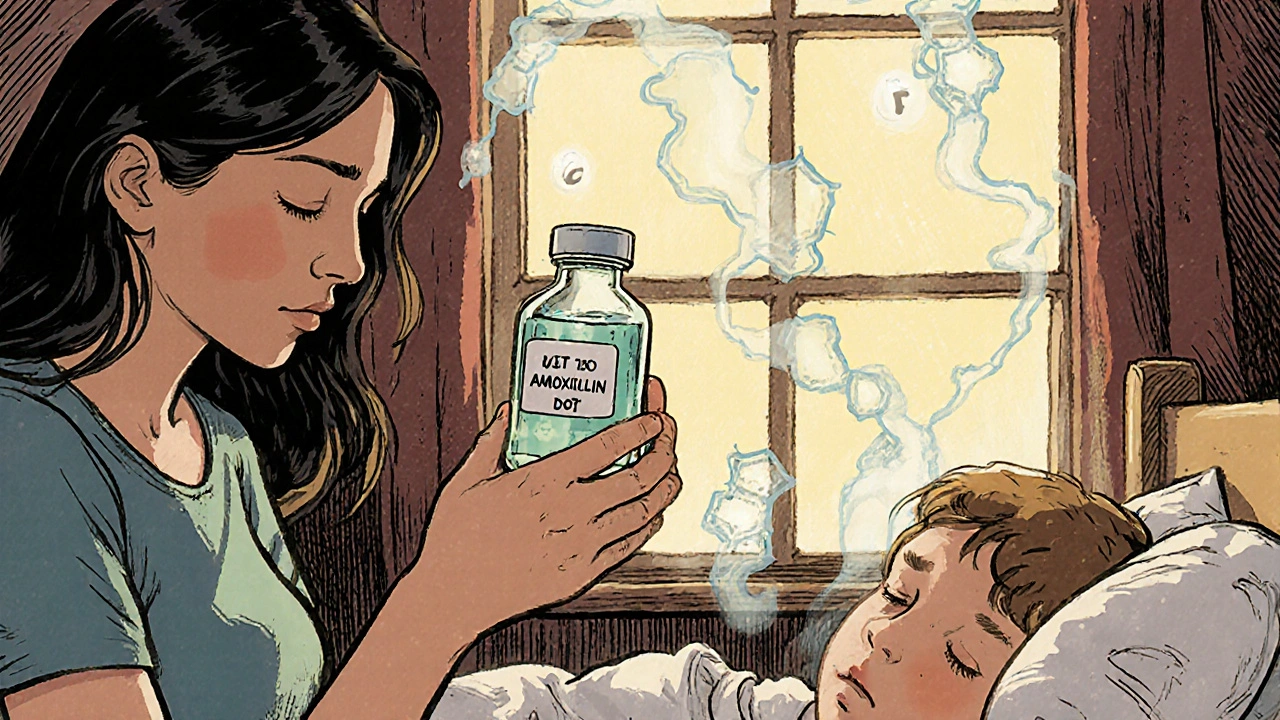
Liquid antibiotics expire quickly after mixing-often in just 10 to 14 days. Learn why, how storage affects potency, and what happens if you use expired medicine.