Sleep Apnea: Causes, Risks, and What You Can Do About It
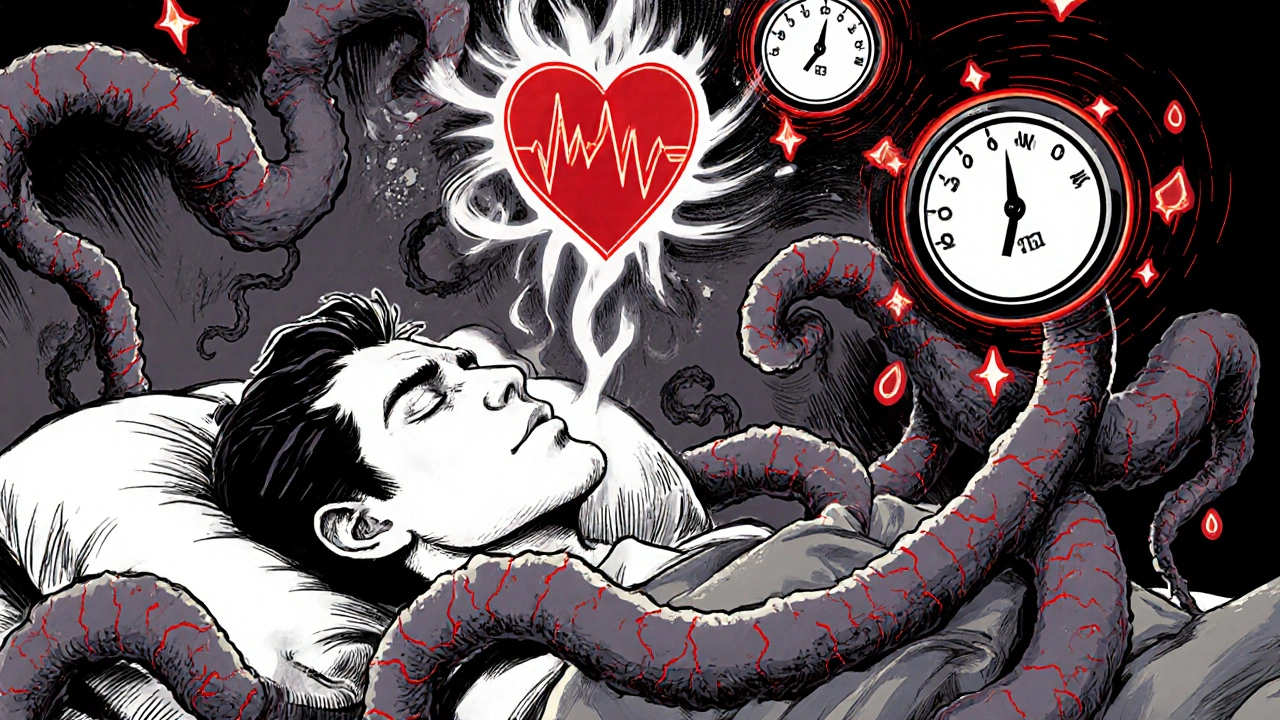
When you have sleep apnea, a condition where breathing repeatedly stops and starts during sleep. Also known as obstructive sleep apnea, it’s not just snoring—it’s your body struggling to get air while you’re unconscious. If you wake up gasping, feel exhausted even after eight hours in bed, or your partner says you stop breathing at night, this isn’t normal. It’s a medical issue that affects millions but often goes undiagnosed because people assume it’s just poor sleep.
Sleep apnea doesn’t happen in isolation. It’s closely tied to obstructive sleep apnea, the most common form, caused by throat muscles relaxing too much and blocking the airway. This isn’t just about being overweight—though excess weight increases risk. It also happens in thin people, women, and even kids. continuous positive airway pressure, a machine that delivers steady air pressure through a mask to keep your airway open is the gold standard treatment, but it’s not the only option. Some people find relief with mouthpieces, positional therapy, or even surgery. And if you’re struggling with daytime drowsiness, high blood pressure, or brain fog, those might not be aging—they could be signs your sleep is being stolen.
What you’ll find in the posts below isn’t a list of generic tips. It’s real, practical information from people who’ve been there. You’ll see how sleep apnea connects to other conditions like heart disease and diabetes, how it interferes with medications, and what tools actually help people sleep better—not just for one night, but for life. There’s no fluff here. Just clear, tested advice on what works, what doesn’t, and how to take control before it’s too late.