


- 12
C. diff Infection Risk Calculator
This tool estimates your risk of developing Clostridioides difficile (C. diff) infection based on your antibiotic use history and current symptoms. C. diff is a serious infection linked to unnecessary antibiotic use that damages gut bacteria.
Every year in the U.S., antibiotic stewardship prevents tens of thousands of avoidable hospitalizations-not because it stops infections, but because it stops the wrong antibiotics from being used. When antibiotics are prescribed unnecessarily or for too long, they don’t just fail to help-they hurt. They kill off the good bacteria in your gut, leave you vulnerable to dangerous infections like Clostridioides difficile (C. diff), and fuel a growing crisis of drug-resistant superbugs. The solution isn’t more antibiotics. It’s smarter use.
What Antibiotic Stewardship Really Means
Antibiotic stewardship isn’t a buzzword. It’s a set of proven practices designed to make sure antibiotics are used only when needed, in the right dose, for the right length of time, and against the right bug. The CDC defines it as measuring and improving how clinicians prescribe and patients take antibiotics. The goal? Protect patients from harm while keeping antibiotics effective for future use. Think of it like this: if you’re using a sledgehammer to crack a walnut, you’re not just wasting energy-you’re risking damage. That’s what happens when broad-spectrum antibiotics are given for viral infections like colds or flu. The drugs don’t work, but they still wreck your microbiome. Stewardship means using a scalpel instead: the narrowest, most targeted antibiotic possible, for the shortest time that still works.How Inappropriate Use Leads to Side Effects
The most common side effect of unnecessary antibiotics? Diarrhea. But not just any diarrhea. C. diff is a deadly infection that thrives when antibiotics wipe out the protective bacteria in your colon. Patients on broad-spectrum antibiotics are 7 to 10 times more likely to develop it. In hospitals, C. diff causes severe colitis, prolonged stays, and even death. The CDC estimates that nearly half a million cases occur in the U.S. each year, and about 15,000 of them are directly tied to inappropriate antibiotic use. Other side effects include allergic reactions, kidney damage from certain drugs, yeast infections, and long-term disruption of gut health linked to chronic conditions like IBS and obesity. These aren’t rare side effects-they’re predictable outcomes of overprescribing. A 2019 study of 28 U.S. hospitals found that antibiotic stewardship programs reduced adverse drug events by 21.5%. That’s more than one in five patients spared serious harm.The Core Strategies That Work
Effective stewardship doesn’t rely on wishful thinking. It uses concrete, evidence-based tools:- Prospective audit and feedback: Pharmacists review antibiotic prescriptions daily and suggest changes-like switching from IV to oral, shortening the course, or stopping altogether. This simple step cuts unnecessary use by up to 30%.
- Formulary restrictions: Hospitals limit access to the strongest antibiotics, like vancomycin or carbapenems, so they’re only used when truly needed.
- Clinical decision support: Electronic health records now pop up alerts when a doctor tries to prescribe an antibiotic for a viral illness or for longer than recommended.
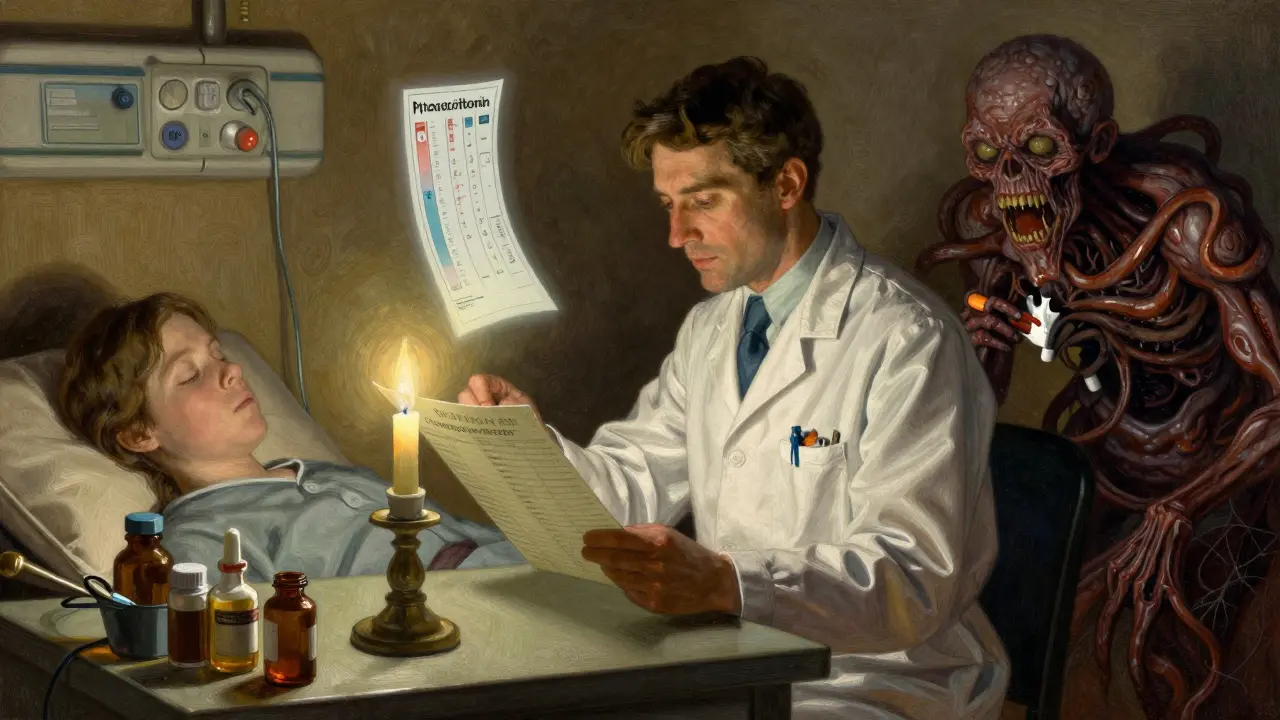
- Biomarker testing: Tests like procalcitonin help doctors tell if an infection is bacterial or viral. A low level means antibiotics aren’t needed. Studies show this cuts antibiotic use by 1.6 to 3.5 days without increasing complications.
Where Stewardship Works Best-and Where It Struggles
Stewardship programs are strongest in hospitals, where infections are serious and monitoring is easier. In intensive care units, where 50-70% of all hospital antibiotics are used, stewardship has cut broad-spectrum use by nearly 40%. That’s huge. Fewer broad-spectrum drugs mean fewer resistant bugs and fewer side effects. But the biggest problem isn’t in hospitals-it’s in doctor’s offices and emergency rooms. About 30% of outpatient antibiotic prescriptions are unnecessary. Most of those are for sinus infections, bronchitis, and ear infections that are viral. Yet patients expect a prescription. Doctors feel pressured to give one. That’s where education and tools matter most. A 2022 study showed that when ER doctors used rapid molecular tests for pneumonia, antibiotic duration dropped by 2.1 days. Patients got better just as fast-with fewer side effects.Who Runs These Programs-and What They Need
Successful stewardship doesn’t happen by accident. It needs leadership. The CDC recommends each hospital program have at least 1.5 full-time equivalents: one infectious disease physician and one clinical pharmacist with specialized training. These experts don’t just write guidelines-they coach doctors, analyze data, and adjust practices based on real results. Training matters. Pharmacists need 40+ hours of focused education in antibiotic pharmacology, microbiology, and clinical decision-making. Without that, even well-intentioned programs fail. The cost? Around $40,000 to $60,000 per FTE per year. But the savings are bigger. One hospital saved $2.8 million in antibiotic costs and reduced hospital stays by 1,200 days over three years. That’s a 7:1 return on investment.
What’s Changing Now-and What’s Next
The landscape is shifting fast. In 2014, only 40% of U.S. hospitals had formal stewardship programs. By 2023, that number jumped to 88%. The Joint Commission now requires it for hospital accreditation. Insurance companies are starting to tie reimbursement to antibiotic use metrics. New tools are emerging. Artificial intelligence is being tested to predict which patients need antibiotics based on symptoms, lab results, and even weather patterns. Real-time dashboards show doctors how their prescribing compares to their peers-a powerful motivator. In one study, doctors who saw their own data reduced inappropriate prescriptions by 35% in six months. The future isn’t just about hospitals. The CDC is pushing hard to bring stewardship into outpatient clinics, nursing homes, and pharmacies. Right now, only 48% of long-term care facilities have formal programs. That’s a gap. Older adults are especially vulnerable to side effects and resistant infections.Why This Matters for Everyone
Antibiotic stewardship isn’t just for doctors and pharmacists. It’s for every patient who’s ever been told, “It’s just a virus,” and left the office without a prescription. It’s for the parent who wonders why their child’s ear infection didn’t get better after five days of amoxicillin. It’s for the elderly person who ended up in the hospital with C. diff after a simple dental procedure. The truth is simple: antibiotics are powerful-but they’re not harmless. Every time you take one you don’t need, you’re not just risking your own health. You’re helping create superbugs that could make routine surgeries, chemotherapy, and even minor cuts deadly for the next generation. The good news? We already know how to fix this. We have the tools. We have the data. We have the experts. What’s missing is consistent action across every level of care. Stewardship isn’t about saying no to antibiotics. It’s about saying yes-to the right ones, at the right time, for the right reason.What is the main goal of antibiotic stewardship?
The main goal is to ensure antibiotics are used only when necessary, in the correct dose, for the right duration, and against the specific bacteria causing the infection. This protects patients from side effects like C. diff infections, reduces antibiotic resistance, and keeps these drugs effective for future use.
Can antibiotic stewardship really reduce side effects?
Yes. Studies show hospital-based stewardship programs reduce adverse drug events by 21.5% and lower C. diff infection rates by 25-30%. By avoiding unnecessary or overly broad antibiotics, patients are far less likely to develop diarrhea, yeast infections, kidney damage, or life-threatening secondary infections.
Why are antibiotics often prescribed unnecessarily?
Doctors sometimes prescribe antibiotics out of habit, pressure from patients, or uncertainty about whether an infection is bacterial or viral. In emergency rooms and clinics, quick decisions are needed, and diagnostic tools aren’t always available. Fear of missing a serious infection also leads to overuse, especially with broad-spectrum drugs.
How do I know if I really need an antibiotic?
Most colds, flu, sore throats (unless strep), and bronchitis are caused by viruses-and antibiotics don’t work on viruses. If your symptoms are mild and improving, you likely don’t need one. Ask your doctor: "Is this infection bacterial?" and "What happens if we wait a few days?" Blood tests like procalcitonin can help confirm bacterial infection when needed.
What should I do if I’m prescribed an antibiotic?
Take it exactly as directed-even if you feel better. Don’t save leftovers for next time, and never share your prescription. Finish the full course unless your doctor tells you to stop. If you develop diarrhea, rash, or other side effects, contact your provider immediately. These could be signs of a serious reaction or C. diff infection.
Are there alternatives to antibiotics for minor infections?
For many mild infections, rest, fluids, and symptom relief are enough. For ear infections in older children, watchful waiting is often recommended. For sinus infections, saline rinses and decongestants can help. Antibiotics should be reserved for cases with clear signs of bacterial infection, like high fever lasting more than 3 days, pus, or worsening symptoms after initial improvement.
Jess Bevis
January 26, 2026 AT 15:10Antibiotics aren’t magic pills. Stop asking for them like they’re candy.
Bryan Fracchia
January 27, 2026 AT 21:50I used to think antibiotics were harmless just because they ‘helped’-until my buddy got C. diff after a sinus infection. He was in the hospital for weeks. Turns out, his doc just wanted to ‘cover all bases.’ No bases needed, bro. We’ve gotta stop treating symptoms like crimes.
Lance Long
January 29, 2026 AT 03:41Let me tell you something-this isn’t just about medicine, it’s about trust. When you go to the doctor and they hand you a script like it’s a free sample at Costco, you feel like you’re being sold something. But when they say, ‘Let’s wait a few days,’ and actually mean it? That’s care. That’s respect. That’s what real healthcare looks like. I’ve seen it in my own family. My grandma’s doctor held off on antibiotics for her bronchitis-she got better. No pills. Just rest, honey tea, and a damn good conversation. That’s the kind of medicine we need more of.
Timothy Davis
January 30, 2026 AT 08:3121.5% reduction in adverse events? That’s statistically significant but practically meaningless without context. You’re ignoring the fact that most outpatient antibiotic overuse comes from pediatric and geriatric populations where diagnostic uncertainty is high. Also, procalcitonin testing? It’s not available in 80% of rural clinics. Stop pretending this is a solved problem. It’s not. You’re just cherry-picking success stories from elite hospitals while ignoring the real-world chaos.
Colin Pierce
January 31, 2026 AT 01:10My sister’s a nurse in a small-town ER. She told me they started using procalcitonin tests last year-and now they’re prescribing 40% fewer antibiotics for bronchitis. Parents were pissed at first, but once they saw their kids didn’t get diarrhea or rashes afterward? They started asking for it. The trick isn’t just the test-it’s the conversation. Doctors who take 2 minutes to explain why they’re *not* prescribing? That’s the secret sauce. Trust builds faster than resistance.
Mark Alan
February 1, 2026 AT 09:54THIS. IS. A. CRISIS. 🚨 We’re basically breeding superbugs in our kitchens and ERs. My cousin died from a UTI that turned into sepsis because the bug was resistant to everything. No joke. They gave her 7 different antibiotics. None worked. She was 32. 😭 We need to treat antibiotics like gold-not like Advil.
Amber Daugs
February 3, 2026 AT 09:52People who demand antibiotics for colds are literally endangering their neighbors. It’s not just selfish-it’s criminal. If you can’t handle a 5-day cough without a pill, you’re part of the problem. Stop being a medical tourist in your own body. And no, ‘natural remedies’ don’t count as an excuse. You want to be healthy? Stop treating your immune system like a broken vending machine.
Ambrose Curtis
February 4, 2026 AT 11:18Yall keep talkin bout C. diff like it’s some new thing. Been around since the 70s. But now we got EHRs that nag doctors like a mom yelling at a kid to clean their room. That’s why prescriptions dropped. Not because doctors got smarter-because the computer yelled at them. Also, procalcitonin? Cool tech. But if your clinic doesn’t have a lab, it’s just a fancy paperweight. Stop romanticizin’ urban hospitals. Rural docs are doin the heavy liftin’ with no tools and 12 patients an hour.
Chris Urdilas
February 5, 2026 AT 08:01Oh wow, another feel-good story about ‘stewardship.’ Let me guess-you’re the type who thinks if you just ‘educate’ people, they’ll stop being dumb? Newsflash: People don’t care about future superbugs. They care about feeling better NOW. And if you think a 21.5% reduction in side effects justifies delaying treatment for someone who might have bacterial pneumonia? You’re not a doctor-you’re a policy nerd with a PowerPoint.
Jeffrey Carroll
February 6, 2026 AT 18:55The economic ROI of antibiotic stewardship is compelling, but the human cost of inaction is immeasurable. We must recognize that preserving antimicrobial efficacy is not a niche clinical concern-it is a foundational pillar of modern medicine. Without it, we risk regressing to a pre-antibiotic era where a simple wound can be fatal. This is not hyperbole; it is historical precedent.
Phil Davis
February 8, 2026 AT 00:51They say ‘it’s just a virus’ and people act like you’re refusing to save their life. Meanwhile, the same people will take 10 different OTC meds for a sniffle. Funny how we’ll treat symptoms like emergencies but ignore the root cause. Maybe we’re not broken because we need antibiotics… maybe we’re broken because we expect them.
Irebami Soyinka
February 8, 2026 AT 09:29USA think they own medicine? 😒 In Nigeria, we don’t have EHRs, procalcitonin, or fancy pharmacists. We have grandmas who know which herb stops fever and neighbors who share medicine because pharmacies are 50km away. And guess what? We don’t have C. diff like you do. Maybe your problem isn’t antibiotics-it’s your obsession with pills over wisdom. 🌿💔