


What’s the real difference between a cold and the flu?
You wake up with a sore throat, a stuffy nose, and a headache. Is it just a cold, or did you catch the flu? It’s a question millions ask every winter - and getting it wrong can cost you time, money, and even your health.
The common cold and influenza are both respiratory viruses, but they’re not the same thing. One might leave you feeling crummy for a week. The other can land you in the hospital - or worse.
How symptoms start: Slow vs sudden
With a cold, symptoms creep in. You might notice a tickle in your throat on Monday, then a runny nose by Tuesday. By Wednesday, you’re sneezing and feeling a bit under the weather. Fever? Rare in adults. If you do get one, it’s usually below 100°F (37.8°C).
Flu hits like a truck. One moment you’re fine. The next, you’re drenched in sweat, shivering, and achy all over. Fever hits fast - often 102°F to 104°F (38.9°C to 40°C). Headache, muscle pain, and crushing fatigue come on within hours. People describe it as being ‘hit by a bus.’ And that exhaustion? It doesn’t fade in a couple of days. It lingers for weeks.
Here’s what sets them apart:
- Cold: Sneezing (90% of cases), runny nose (90%), sore throat (80%), mild cough. Fever is uncommon in adults.
- Flu: Sudden high fever (85% of cases), severe body aches (80%), intense fatigue (60%), dry cough, chest tightness (70%).
If you’re wondering whether it’s allergies, remember: allergies don’t cause fever or body aches. They cause itchy eyes and constant sneezing - not the kind of tired that makes you cancel plans for three days.
Complications: When a cold turns dangerous
Most colds clear up on their own. But in kids, they can lead to ear infections. In adults, sinus infections happen in about 5% of cases. Rarely, a cold triggers a bacterial infection that needs antibiotics.
Flu is a different story. It doesn’t just make you feel bad - it can break your body down.
Every year in the U.S., flu leads to:
- 140,000 to 710,000 hospitalizations
- 12,000 to 52,000 deaths
Pneumonia is the biggest threat. It develops in 15-30% of people hospitalized with flu. The elderly, pregnant women, and anyone with a weak immune system are at highest risk. In fact, 70-85% of flu-related deaths happen in people over 65.
And it’s not just lungs. Flu can trigger heart attacks, worsen asthma, and cause brain inflammation. A 2023 CDC case report described a healthy 38-year-old who developed encephalitis after what seemed like a ‘bad cold.’
Antivirals: What works - and what doesn’t
There are no antivirals for the common cold. None. Not one. That’s because rhinoviruses - the main culprits - have over 160 different strains. Trying to make a drug that hits them all is like trying to hit 160 moving targets with one arrow.
But for flu? There are four FDA-approved antivirals. And they work - if you take them early.
Here’s what’s available:
- Oseltamivir (Tamiflu): Taken as pills for 5 days. Reduces symptom duration by about 1.5 days if started within 48 hours. Side effects? Nausea in 10% of users.
- Zanamivir (Relenza): Inhaled powder. Works well for high-risk patients. Not for people with asthma or COPD.
- Peramivir (Rapivab): One-time IV drip. Used in hospitals when someone can’t swallow pills.
- Baloxavir (Xofluza): Single pill. Cuts viral load by 99% in 24 hours. But it’s expensive - $150-$200 without insurance.
Generic oseltamivir costs as little as $15. Brand-name Tamiflu? Over $100. Xofluza is pricey, but for someone at risk - say, a 70-year-old with diabetes - it’s worth it.
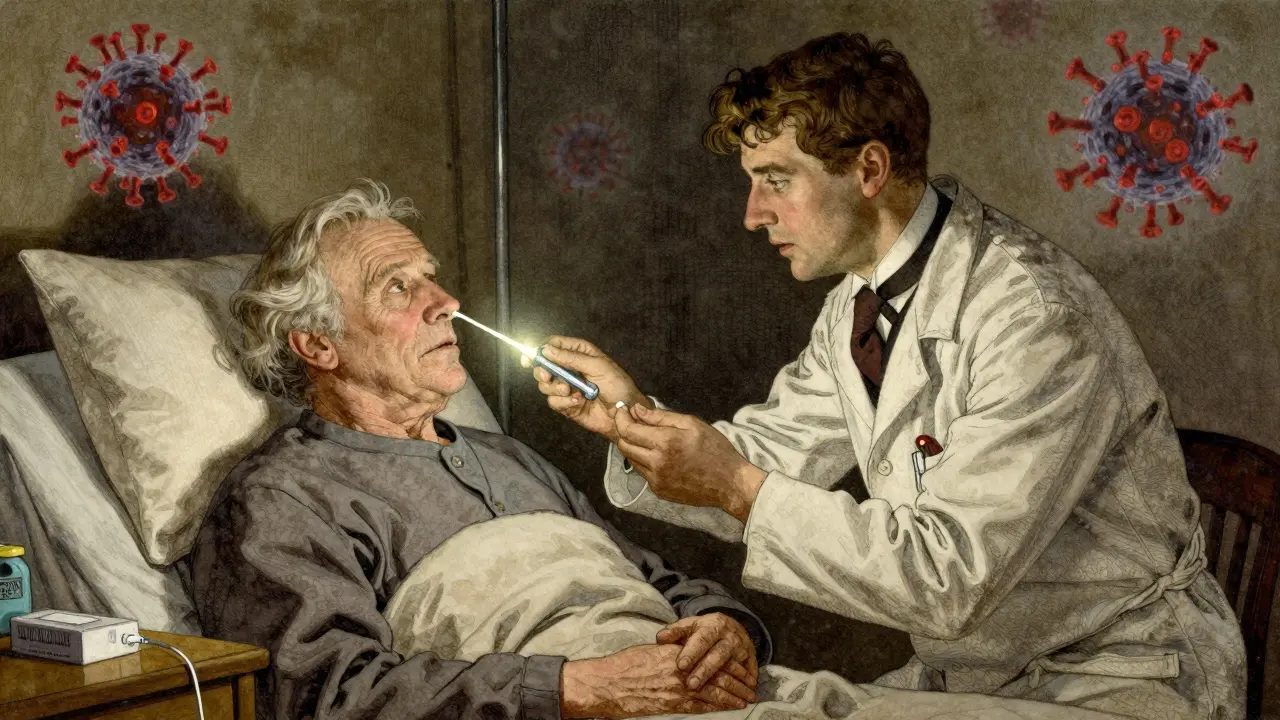
But timing is everything. If you wait 72 hours, antivirals lose most of their power. A patient in a 2022 CDC case report waited three days before seeing a doctor. By then, she had pneumonia. Antivirals wouldn’t have helped.
What about zinc, vitamins, and home remedies?
People swear by zinc lozenges. And there’s some truth to it. A 2017 Cochrane review found that taking 75mg of zinc daily within 24 hours of symptoms can shorten a cold by about 1.6 days.
But here’s the catch: many lozenges don’t contain enough zinc. Others taste awful - metallic, bitter, burning. One patient on WebMD said, ‘I quit after day two because my mouth felt like I’d licked a battery.’
Vitamin C? Doesn’t prevent colds. Might slightly shorten them. Not worth the cost.
Chicken soup? Yes, it helps. Not because it’s magic - because it hydrates you, reduces inflammation, and makes you feel cared for.
And antibiotics? They don’t work on viruses. Yet 30% of cold and flu prescriptions in the U.S. are antibiotics - a major driver of drug-resistant bacteria.
Who’s at highest risk?
Not everyone gets the same flu. For some, it’s a bad week. For others, it’s life-threatening.
- People over 65: 70-85% of flu deaths. Their immune systems don’t respond as fast.
- Pregnant women: Three times more likely to be hospitalized. Flu can trigger premature labor.
- People with chronic illness: Asthma, diabetes, heart disease - flu makes all of them worse.
- Young children: Especially under 5. They can’t always tell you they’re struggling to breathe.
If you’re in one of these groups, don’t wait. Get tested as soon as symptoms hit. Even if you feel ‘mild,’ don’t assume it’ll pass. Flu can turn fast.
Testing and timing: What you need to know
Doctors can test for flu with a quick nasal swab. Results in 15 minutes. Accuracy? Around 95% for molecular tests like BD Veritor.
Cost? $25-$50. Worth it if you’re high-risk. If you’re young and healthy, you might skip it - but if you’re unsure, ask. Many urgent cares offer free or low-cost testing during flu season.
Here’s a simple rule: if you have sudden fever, body aches, and fatigue - get tested within 48 hours. That’s your window.
And if you’re still not sure? Use the CDC’s Flu Finder tool. It asks you a few questions and gives you a likelihood score. It’s not perfect - accuracy is 60-70% - but it’s better than guessing.
What’s new in 2026?
Flu vaccines are updated every year. The 2025-2026 version protects against four strains: two A strains (H1N1 and H3N2) and two B strains. Coverage in the U.S. reached 51.8% in 2023 - still too low.
But the real breakthroughs are coming. Moderna’s mRNA flu vaccine is in late-stage trials. It could be approved by 2026. Unlike traditional vaccines, it can be updated faster and may offer stronger protection.
Researchers are also working on a ‘universal’ flu vaccine - one that targets parts of the virus that don’t change from year to year. Early animal studies show 70% cross-strain protection. If it works in humans, we could stop chasing new vaccines every season.
Meanwhile, antiviral resistance is rising. About 1.5% of H1N1 strains now resist oseltamivir. That’s why having multiple options matters.
What to do if you think you have the flu
Step 1: Don’t wait. Call your doctor or visit an urgent care center within 48 hours of symptoms.
Step 2: Ask for a flu test. Even if you feel ‘mild,’ it’s worth confirming.
Step 3: If positive, start antivirals immediately. Don’t wait for your prescription to arrive - some pharmacies can fill them same-day.
Step 4: Rest. Hydrate. Stay home. You’re contagious for 5-7 days. Don’t go to work or school.
Step 5: Watch for emergency signs. If you have:
- Difficulty breathing or shortness of breath
- Chest pain or pressure
- Confusion or dizziness
- Severe vomiting
- go to the ER. Don’t wait.
How to protect yourself and others
Wash your hands. Use hand sanitizer. Avoid touching your face.
Get the flu shot every year. It’s not 100% effective - but it cuts your risk of hospitalization by 40-60%. And if you do get sick, it makes it milder.
Stay home when you’re sick. Even if you feel ‘almost better.’ You can still spread the virus.
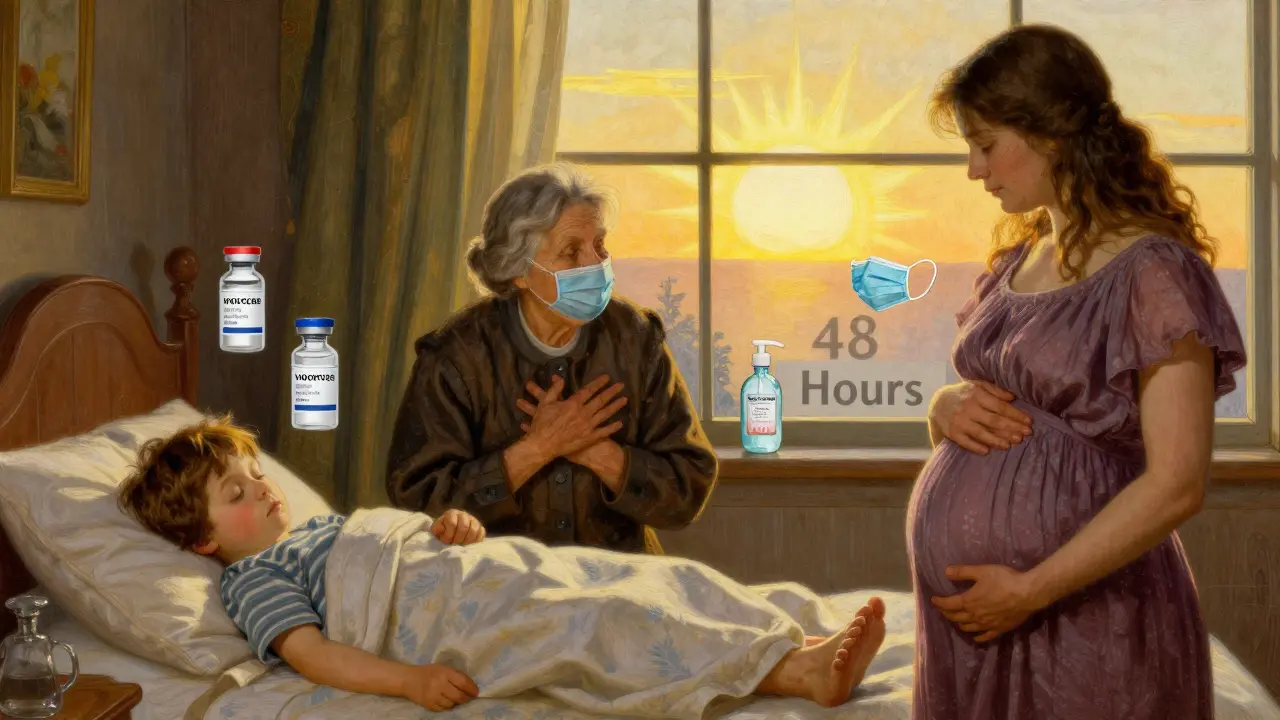
And if you’re around someone who’s high-risk - elderly, pregnant, immunocompromised - be extra careful. Wear a mask. Don’t kiss them. Don’t share food.
Bottom line: Don’t guess. Act.
Most people treat colds and flu the same way. They take painkillers, drink tea, and wait it out.
That’s fine for a cold. But for flu? Waiting is dangerous.
Flu kills. It’s not a myth. It’s data. 12,000 to 52,000 deaths a year in the U.S. alone. Many of those deaths are preventable.
If you’re young and healthy, you might bounce back. But someone you love might not. Knowing the difference isn’t just about you - it’s about protecting the people around you.
Next time you feel sick, don’t just assume it’s a cold. Check your symptoms. Act fast. Your body - and maybe someone else’s - will thank you.