


When we talk about fracture prevention, the first things people usually mention are calcium and vitamin D. But here is the cold truth: taking vitamin D by itself often does nothing to stop a fracture. Research, including a massive meta-analysis of over 34,000 people, found that vitamin D alone didn't significantly lower the risk of breaking a bone. To actually see a difference, you need a partnership. When 800 to 1,000 IU of vitamin D3 is paired with 1,000 to 1,200 mg of calcium, there is a measurable drop in hip fractures. It's like trying to build a house; vitamin D is the contractor that brings the materials in, but calcium is the actual brick. You can't build a wall with just a contractor.
The Nutritional Foundation: Do You Actually Need Supplements?
Not everyone needs to reach for a pill bottle. The most effective use of supplements is for people who are truly deficient. If your 25-hydroxyvitamin D levels are below 20 ng/mL, you are in the danger zone where supplements can be a lifesaver. For example, nursing home residents with severe deficiencies saw a 43% drop in hip fractures when given a combined dose of vitamin D and calcium. However, if you already get enough calcium from your diet (more than 700 mg a day) and your vitamin D levels are stable, adding more might not help and could even cause trouble.
There is a flip side to the "more is better" mentality. Too much calcium can lead to a 17% increase in kidney stones, and high doses (over 1,000 mg/day) have been linked to an increased risk of cardiovascular events. This is why the US Preventive Services Task Force (USPSTF) actually advises against low-dose supplementation (400 IU of vitamin D or less) for healthy postmenopausal women living in the community-the benefit just isn't there.
| Approach | Key Components | Primary Benefit | Main Downside |
|---|---|---|---|
| Combined Nutrition | Calcium + Vitamin D3 | 16% reduction in hip fractures (high-risk groups) | Kidney stone risk; constipation |
| Antiresorptives | Bisphosphonates | 40-70% reduction in vertebral fractures | GI upset; rare jaw issues |
| Anabolic Agents | Teriparatide / Abaloparatide | Rapid bone density increase; high vertebral protection | Higher cost; injection required |
Moving Beyond Vitamins: Bone-Building Medications
While vitamins provide the raw materials, Osteoporosis is a skeletal disorder characterized by compromised bone strength, predisposing a person to fracture. When the bone loss is severe, nutrition isn't enough; you need pharmacological intervention. These drugs generally fall into two camps: those that stop bone loss (antiresorptives) and those that actually build new bone (anabolics).
Bisphosphonates, such as Alendronate or Zoledronic acid, are the most common. They work by slowing down the cells that break down bone. The data is strong here: they can cut the risk of vertebral fractures by up to 70%. However, they aren't for everyone. Many patients report nasty gastrointestinal side effects, and in very rare cases, they can lead to osteonecrosis of the jaw or atypical thigh fractures. Because of this, a dental check-up is usually recommended before starting these meds.
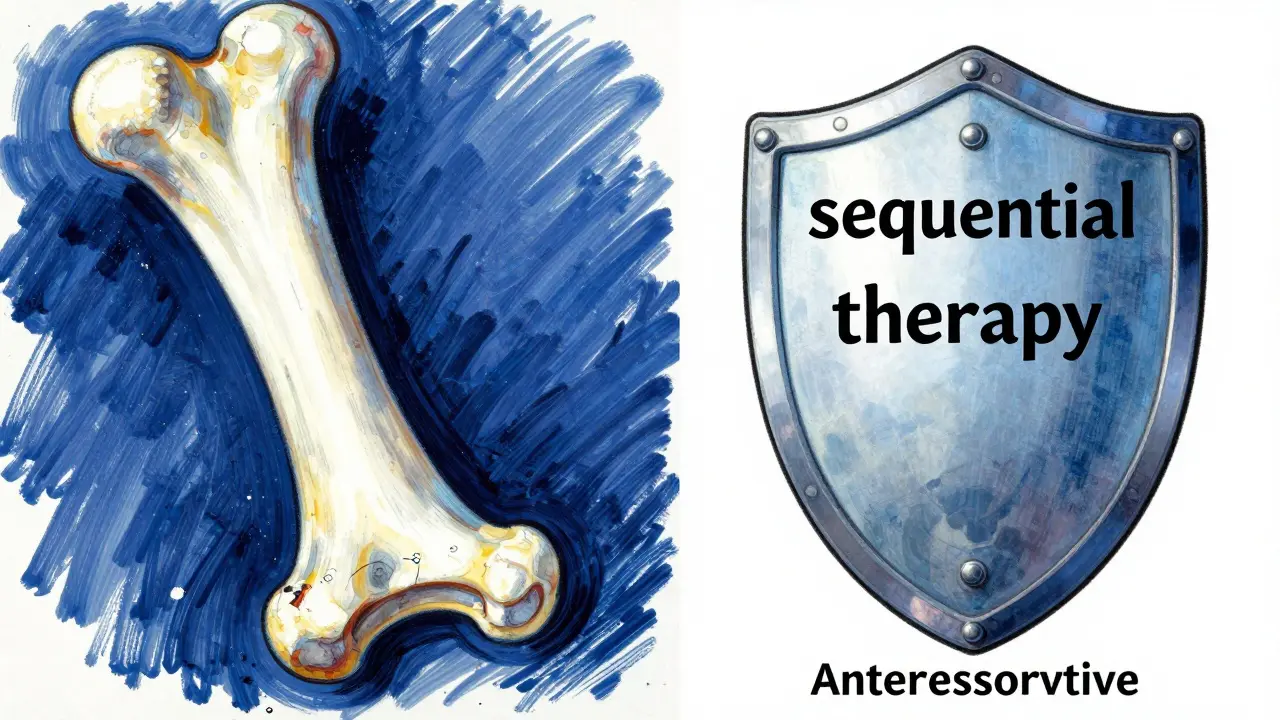
Then there are the "heavy hitters" like Denosumab, which is a monoclonal antibody that prevents bone breakdown, and anabolic agents like Teriparatide or the newer Abaloparatide. These don't just stop the loss; they actively trigger the body to create new bone. New evidence suggests a "sequential therapy" approach is best: start with an anabolic agent to build the bone back up, then switch to an antiresorptive to lock those gains in place. This strategy has shown a 73% greater reduction in new vertebral fractures compared to using bisphosphonates alone.
Practical Steps for Prevention and Monitoring
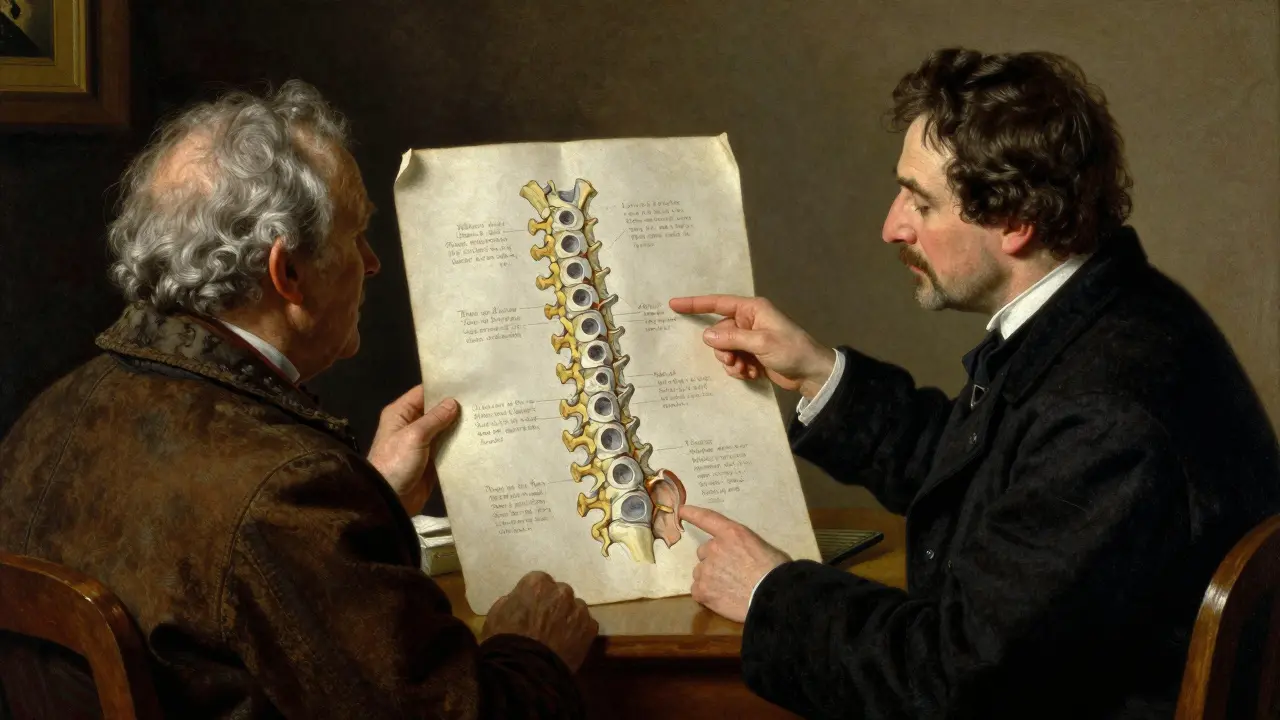
If you're worried about your bone health, don't just guess your dose. Start with a blood test for 25-hydroxyvitamin D. The goal for most people aiming for fracture prevention is to keep levels between 30 and 50 ng/mL. If you are severely deficient, a doctor might put you on a high-dose "loading phase" (like 50,000 IU weekly) before dropping you down to a daily maintenance dose of 800 to 2,000 IU.
To determine if you actually need medication, doctors use the FRAX® tool. This is a calculation that predicts your 10-year probability of a major fracture based on your age, weight, and medical history. Depending on where you live, the threshold for starting treatment varies-in the US, a 20% risk for a major osteoporotic fracture usually triggers a conversation about medication, while in the UK, that threshold is often 15%.
Monitoring is just as important as the treatment itself. If you're on high-dose calcium and vitamin D, you should have your serum calcium checked every 3 to 6 months. This helps catch hypercalcemia (too much calcium in the blood) before it becomes a problem. For those on intravenous medications like zoledronic acid, kidney function (specifically creatinine clearance) must be above 35 mL/min to ensure the drug is processed safely by the body.
Navigating the Side Effects and Compliance Gap
The biggest hurdle in bone health isn't the science; it's the staying power. A staggering number of people-sometimes over 50%-stop taking oral bisphosphonates within a year. Why? Because the pills can be hard on the stomach, and the requirement to stay upright for 30 minutes after taking them is a hassle. Many patients also complain about constipation from calcium supplements, leading them to quit entirely.
The trick to long-term success is choosing the right delivery method. If daily pills are a nightmare, intravenous infusions (like those used for zoledronic acid or denosumab) might be a better bet since they are administered by a professional every few months. This removes the daily struggle with compliance and reduces the risk of stomach irritation. When patients get their vitamin D levels corrected and stay consistent with their medication, the results are dramatic-some case series show a nearly 60% reduction in new fractures.
Can I prevent fractures by just taking Vitamin D?
Generally, no. Multiple large-scale studies show that Vitamin D supplementation alone does not significantly reduce fracture risk. It must be paired with adequate calcium (usually 1,000-1,200 mg/day) to be effective, especially in people who are already vitamin D deficient.
What are the risks of taking too much calcium?
Excessive calcium intake, particularly over 1,000 mg per day from supplements, is associated with a 17% increase in the risk of kidney stones and potential cardiovascular issues. It's always better to get calcium from food first.
How do bone-building meds differ from vitamins?
Vitamins provide the raw materials for bone health, but medications like bisphosphonates and teriparatide actively change how your body manages bone. Meds are far more powerful and are necessary for people with diagnosed osteoporosis to significantly lower their risk of a break.
What is the FRAX tool?
FRAX is a World Health Organization tool that calculates your 10-year probability of suffering a major osteoporotic fracture. Doctors use this score to decide if you need medication or if lifestyle changes and supplements are enough.
Are there any dangerous side effects to osteoporosis drugs?
While rare, bisphosphonates can cause osteonecrosis of the jaw (bone death in the jaw) or atypical femoral fractures. This is why dental exams and a review of your medical history are required before starting these treatments.
Next Steps for Your Bone Health
If you've had a fragility fracture in the past, your first move should be a comprehensive bone density scan (DEXA scan) and a 25-hydroxyvitamin D blood test. Don't just buy a generic multivitamin; talk to your provider about whether you need a loading dose of Vitamin D or if you qualify for anabolic bone-building agents.
For those already on medication, if you're struggling with stomach issues or forgetting your pills, ask your doctor about switching to an injectable or intravenous option. Managing bone health is a marathon, not a sprint, and the best treatment is the one you can actually stick with for the long haul.