

Understanding the Condition
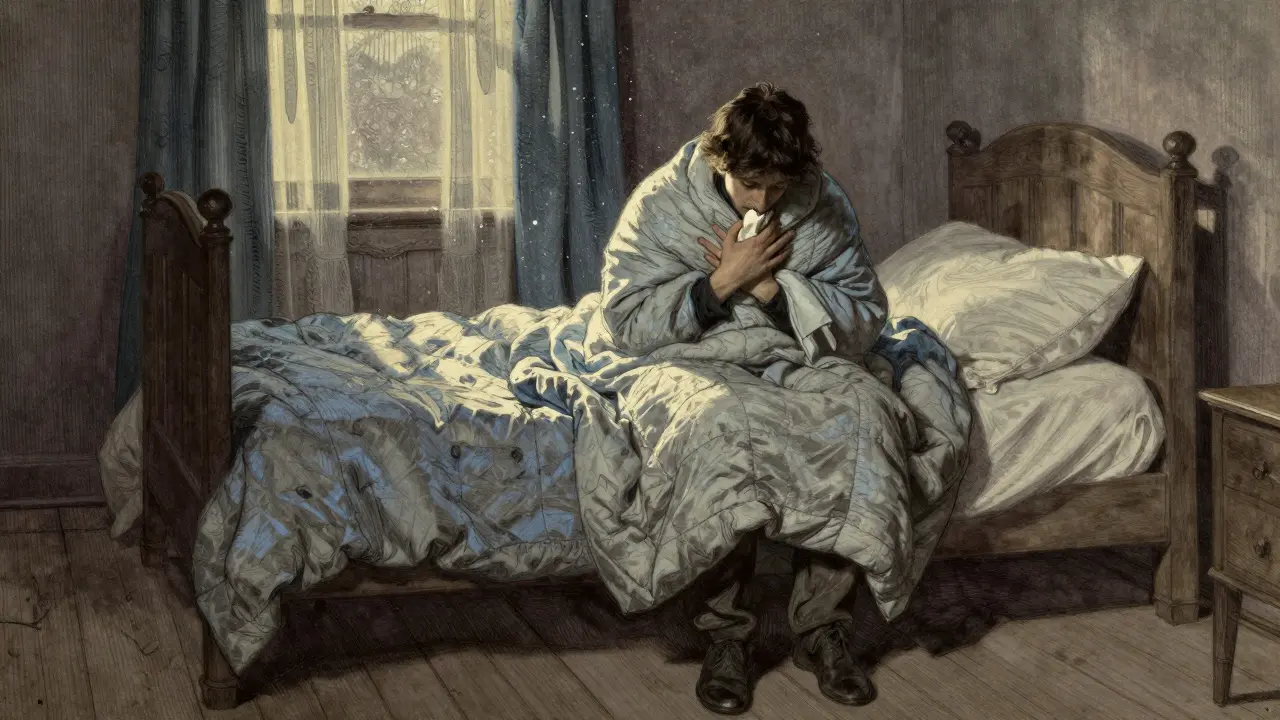
You wake up coughing again. It feels like you can't quite clear your throat, and there is sticky mucus stuck deep in your chest. If this happens every morning and lasts for months, you might be dealing with more than just a cold.
Chronic Bronchitis is a lung condition defined by a productive cough that lasts at least three months out of the year for two consecutive years. It falls under the broader category of Chronic Obstructive Pulmonary Disease or COPD. Unlike acute bronchitis, which usually clears up in two weeks, this condition persists and changes how air moves through your body.
The main issue here is inflammation. Your bronchial tubes get irritated, swell up, and start making too much mucus. This blocks airflow and makes breathing feel like work. About 10 million people in the United States deal with this, often without knowing exactly why their lungs feel heavy.
Symptoms You Can Actually Feel
Doctors look for specific signs to diagnose this, but you live with the symptoms every day. The most obvious one is the cough. But it isn't just any cough.
- Productive Cough: You produce noticeable sputum or phlegm regularly. Studies show about 75% of cases involve significant mucus production linked directly to smoking history.
- Shortness of Breath: Walking up stairs or carrying groceries might leave you winded. Data suggests 82% of patients struggle with exertion.
- Chest Tightness: You might feel pressure or pain in your chest area, reported in roughly 68% of moderate cases.
- Fatigue: Breathing takes so much energy that you feel tired all the time, affecting over 73% of patients.
If you have wheezing or frequent respiratory infections, those are red flags too. People with this condition are significantly more likely to catch viruses or bacteria compared to healthy individuals, leading to worse flare-ups known as exacerbations.
Why Does This Happen?
Most people assume age causes these problems, but the numbers tell a different story. Over 90 percent of patients have a history of cigarette use. However, not everyone who smokes gets this disease. A long-term study showed that while 42% of current smokers develop obstructive airway issues, only 15% of all smokers end up with the full condition.
What about non-smokers? They aren't off the hook entirely. Long-term exposure to air pollution contributes to about 18% of cases in non-smokers. If you work around dust, chemicals, or industrial fibers, your risk goes up further. Occupational safety data points to chemical exposures causing 12% of all cases.
There is also a genetic component called alpha-1 antitrypsin deficiency. While rare, accounting for about 2% of cases, it means your body cannot protect your lungs properly from inflammation even if you never touched a cigarette.
Treatment Options That Work
Chronic Bronchitis Management is a multi-faceted approach focusing on symptom relief, preventing complications, and slowing disease progression. The American Lung Association confirms there is no cure, but you can significantly improve your quality of life with the right plan.
Medication is usually the first line of defense. Doctors typically prescribe bronchodilators to relax the muscles around your airways. Short-acting versions work quickly, giving relief within 15 minutes and lasting for several hours. For longer control, long-acting options are used daily.
Another common tool is inhaled steroids. These reduce inflammation but come with risks. Long-term use has been linked to a higher chance of osteoporosis, high blood pressure, and diabetes. Because of this, doctors often recommend the lowest effective dose.
| Medication Type | Primary Benefit | Potential Side Effect |
|---|---|---|
| Bronchodilators | Opens air passages quickly | Rapid heartbeat |
| Inhaled Steroids | Reduces swelling | Increased infection risk |
| Mucolytics | Thins mucus for easier coughing | Gastrointestinal upset |
| Oxygen Therapy | Increases survival in severe cases | Skin irritation |
Vaccinations play a huge role too. Getting an annual flu shot reduces the risk of a bad flare-up by over 40%. Pneumococcal vaccines should be part of your routine every few years. Keeping your immune system ready for winter battles can save you hospital trips.
The Importance of Stopping Smoking
This is the hard truth nobody likes to hear, but it's the single most important step you can take. Smoking cessation remains the cornerstone of treatment according to major medical authorities. If you keep smoking, the damage continues regardless of the medication you use.
Smoking Cessation Support is the process of stopping tobacco use utilizing behavioral counseling, medication assistance, and structured programs to prevent relapse. Research indicates that quit rates above 50% are associated with 60% slower disease progression compared to continuing smokers.
Trying to quit alone rarely works. The spontaneous quit rate among unassisted smokers is only about 7%. Structured programs that combine behavioral counseling with medications like varenicline achieve abstinence rates closer to 45% after six months. If you attempt quitting without professional support, your chances drop significantly.
A practical tip involves integrating quitting with pulmonary rehab. When you stop smoking while doing breathing exercises and strength training, the success rate jumps to 52% at the one-year mark. This combined approach helps you handle cravings physically and mentally at the same time.

Pulmonary Rehabilitation Explained
Many patients think resting is best when they feel short of breath, but staying sedentary weakens your body further. This is where rehab comes in.
Pulmonary Rehabilitation is a comprehensive program including education, nutrition counseling, breathing techniques, and structured exercise designed to improve exercise capacity.
Studies show participants improve their walking distance by an average of 78 meters after finishing a course. More importantly, hospitalizations drop by 37%. It teaches you how to breathe through a mask, how to pace yourself during chores, and how to eat to maximize lung function.
You might wonder if it's worth the effort. Imagine a patient who couldn't walk to the end of their street without stopping. After six months of consistent rehab and quitting smoking, that same person walks the block without pausing. These stories are common in patient communities.
However, sticking to the program is tough. About 41% of people drop out of home exercise plans within three months. To stay on track, finding a buddy or joining a group can make a huge difference in motivation.
Living with the Diagnosis
Accepting a chronic condition takes time. You face financial stress, emotional strain, and physical limitations. Medicare data shows the cost per beneficiary with COPD is over $3,000 higher annually than those without. Insurance and support groups can help navigate these costs.
Technology is also evolving. New devices like AI-powered inhaler sensors help track usage and remind you to take medicine. Tele-rehabilitation allows you to join classes from home. Future trends suggest these tools could cut hospital visits by nearly a third over the next five years.
Despite new drugs on the horizon, like phosphodiesterase inhibitors approved recently, old habits die hard. Every dollar invested in a comprehensive cessation program yields over $5 in healthcare savings within two years. Investing in quitting is investing in your future freedom.
Is chronic bronchitis reversible?
Once lung tissue is damaged, it does not fully heal. However, stopping smoking and following treatment can stabilize the condition and slow down progression significantly.
How long does acute bronchitis last compared to chronic?
Acute bronchitis typically resolves within two to three weeks. Chronic bronchitis requires symptoms like a productive cough to persist for three months over two consecutive years for a diagnosis.
What triggers a flare-up?
Common triggers include viral infections, cold air, smoke, air pollution, and allergens. Managing your environment helps reduce the frequency of these episodes.
Are antibiotics needed for every flare-up?
No. Antibiotics are generally reserved for bacterial exacerbations. Using them unnecessarily for viral coughs does not help and contributes to resistance.
When should I see a specialist?
You should consult a pulmonologist if you experience severe shortness of breath, frequent hospitalizations, or if standard treatments aren't working to manage your symptoms.
Ace Kalagui
April 1, 2026 AT 18:59It is truly heartbreaking to read about how chronic bronchitis affects daily life. Waking up coughing repeatedly signals that something deeper is wrong internally. Sticky mucus trapped deep in the chest creates a feeling of heaviness that is exhausting. Understanding the condition is the first step toward managing it effectively over time. You might feel overwhelmed by the statistics regarding lung function decline rates. Yet many individuals find relief once they commit to a structured treatment plan consistently. Medications like bronchodilators provide immediate opening of the constricted air passages. Inhaled steroids target the inflammation that causes swelling in the bronchial tubes specifically. It is crucial to balance the benefits with potential side effects such as bone density loss. Vaccinations serve as a shield against viral triggers that worsen respiratory symptoms drastically. Stopping smoking remains the single most impactful action you can take for your health. Behavioral counseling paired with medication improves abstinence rates significantly during cessation. Pulmonary rehabilitation strengthens the body so breathing feels less like a struggle later. Walking distance increases dramatically after completing a certified exercise program safely. Dropping out of home plans is common but having a buddy makes sticking around easier. Accepting the diagnosis allows you to focus energy on solutions rather than denial always. Financial stress is real but support groups can guide you toward available assistance funds. New technology tracks usage and reminds you to dose correctly for better adherence. Invest in quitting because saving healthcare costs is worth the effort put in daily. Freedom comes from taking control of your environment and your habits starting now.
angel sharma
April 2, 2026 AT 15:07Wow this post covers so much ground and I appreciate the breakdown of symptoms like the productive cough. It is amazing how sticky mucus production links directly to smoking history in most documented cases. Feeling winded carrying groceries sounds incredibly frustrating for anyone dealing with exertion issues regularly. Chest tightness reports suggest pain is present in moderate cases which adds to the burden physically. Fatigue draining energy all the time impacts quality of life metrics significantly for patients everywhere. Wheezing acts as a red flag that you should monitor closely alongside frequent respiratory infections happening often. Viral exposure makes people with this condition vulnerable to worse flare ups known clinically as exacerbations quickly. The fact that ninety percent of patients have a cigarette history is alarming but preventable potentially. Non smokers face risks from air pollution and dust which accounts for eighteen percent of identified cases overall. Occupational hazards involving chemicals contribute to twelve percent so workplace safety matters a great deal here too. Genetic components like alpha-one antitrypsin deficiency mean some people inherit vulnerability despite clean living habits strictly. Management focuses heavily on symptom relief and preventing complications from slowing disease progression significantly. Bronchodilators relax muscles around airways giving relief within minutes while lasting several hours afterwards. Long acting options provide daily control whereas short versions handle acute spikes in breathing difficulty instantly. Inhaled steroids reduce swelling effectively though long term use brings risks needing careful doctor monitoring always. Osteoporosis high blood pressure and diabetes are concerns linked to sustained steroid usage requiring lowest doses possible ideally. Table of medications highlights mucolytics thinning mucus for easier coughing which helps clear the throat efficiently. Oxygen therapy increases survival rates in severe cases even if skin irritation occurs occasionally from the mask. Annual flu shots reduce bad flare up risks by over forty percent making winter much safer generally speaking. Pneumococcal vaccines should be routine every few years to keep immune systems ready for battles ahead. Stopping smoking is the hard truth everyone avoids but it remains the cornerstone of successful treatment plans universally. Trying to quit alone rarely works since spontaneous success rates among unassisted smokers hover around seven percent typically. Structured programs combining counseling with varenicline achieve abstinence rates close to forty-five percent after six months realistically. Pulmonary rehab integrates quitting with breathing exercises causing success rates to jump to fifty-two percent at one year mark amazingly. Staying sedentary weakens the body further so movement is vital for maintaining functional capacity over time. Comprehensive programs include education nutrition and breathing techniques designed to improve exercise capacity substantially. Walking distance improves by seventy-eight meters on average after finishing a standard course successfully completed by participants. Hospitalizations drop by thirty-seven percent which is a massive win for reducing strain on healthcare systems everywhere. Breathing through a mask and pacing chores teaches practical skills for managing daily activities without exhaustion. Joining a group provides motivation that solo plans lack leading to better retention rates for most participants. About forty-one percent of people drop out of home exercise plans within three months so social support is key. Medicare data shows costs are over three thousand dollars higher annually for COPD beneficiaries compared to healthy individuals. Insurance and support groups help navigate these expenses while providing emotional backing during tough financial times. Tele-rehabilitation allows joining classes from home which removes barriers for those struggling to travel frequently. AI powered inhaler sensors track usage and remind patients ensuring consistency in taking prescribed medicine regularly. Future trends suggest these tools could cut hospital visits by nearly a third over the next five year timeline. Phosphodiesterase inhibitors represent new drugs on the horizon offering hope for improved treatment options soon. Every dollar invested in cessation programs yields over five dollars in healthcare savings within two years economically. Investing in quitting is truly investing in your future freedom and ability to live life fully again.
Joseph Rutakangwa
April 3, 2026 AT 08:38Quitting smoking is the absolute cornerstone of any effective long term recovery strategy for this condition.
Joey Petelle
April 3, 2026 AT 15:28Oh delightful another medical crisis fueled entirely by poor lifestyle choices masquerading as inevitable biology. People ignore the obvious truth until their lungs give out completely under the weight of denial. It’s always convenient to blame environmental factors when personal choices fail spectacularly in the grand scheme of things. The data is there yet nobody seems to want to read past the comfort zone of their addiction habits. We waste millions on inhalers instead of just stopping the fire at the source fundamentally.
Will Baker
April 4, 2026 AT 18:47Some people claim meds help but mostly it just keeps you hooked on hospital visits indefinitely. Nothing changes if you keep lighting up while holding an inhaler tightly. They sell hope through prescriptions but the lungs still scar internally regardless of what doctors promise.
Dipankar Das
April 5, 2026 AT 23:43Adherence to the treatment plan yields significant physiological improvements over time consistently. Pulmonary rehabilitation programs offer necessary structural guidance for recovery processes effectively. Statistical evidence supports cessation efforts resulting in disease stabilization across various demographics. One must commit fully to the prescribed regimen for optimal outcomes achievable. Medical supervision remains essential throughout the management phase for safety assurance.
Sam Hayes
April 6, 2026 AT 08:35honestly i think the scariest part is the fatigue just feeling tired constantly makes everything hard to deal with so i know exactly how you feel about walking stairs and stuff but keeping going is what matters more than anything else ever because the body heals slowly
Rob Newton
April 6, 2026 AT 08:53Stop blaming pollution and admit the cigarettes caused this mess primarily. Most cases are self inflicted damage period end of story.
Goodwin Colangelo
April 7, 2026 AT 15:21Looks solid here especially the part about mucolytics thinning mucus for easier coughing really helpful. Bronchodilators work fast but remember they dont fix the root cause entirely on their own. Inhaled steroids need caution with longterm use though definitely check with docs first before starting. Varenicline actually helps a lot compared to cold turkey methods which have low success. Rehab helps walk distance increase which is huge for quality of life improvements too overall.
Dee McDonald
April 9, 2026 AT 08:05You need to stop making excuses and just start the program right now before it gets worse than this point. Every day you wait is another day your lungs lose function permanently without reversal. Get off the couch and sign up for the exercises immediately without hesitation or delay whatsoever. Do not let fear stop you from getting the help you clearly need badly to survive. Fight hard to keep your breathing steady and strong for yourself above all else.