

- 8
Why switching to generic meds can backfire - even when they’re just as good
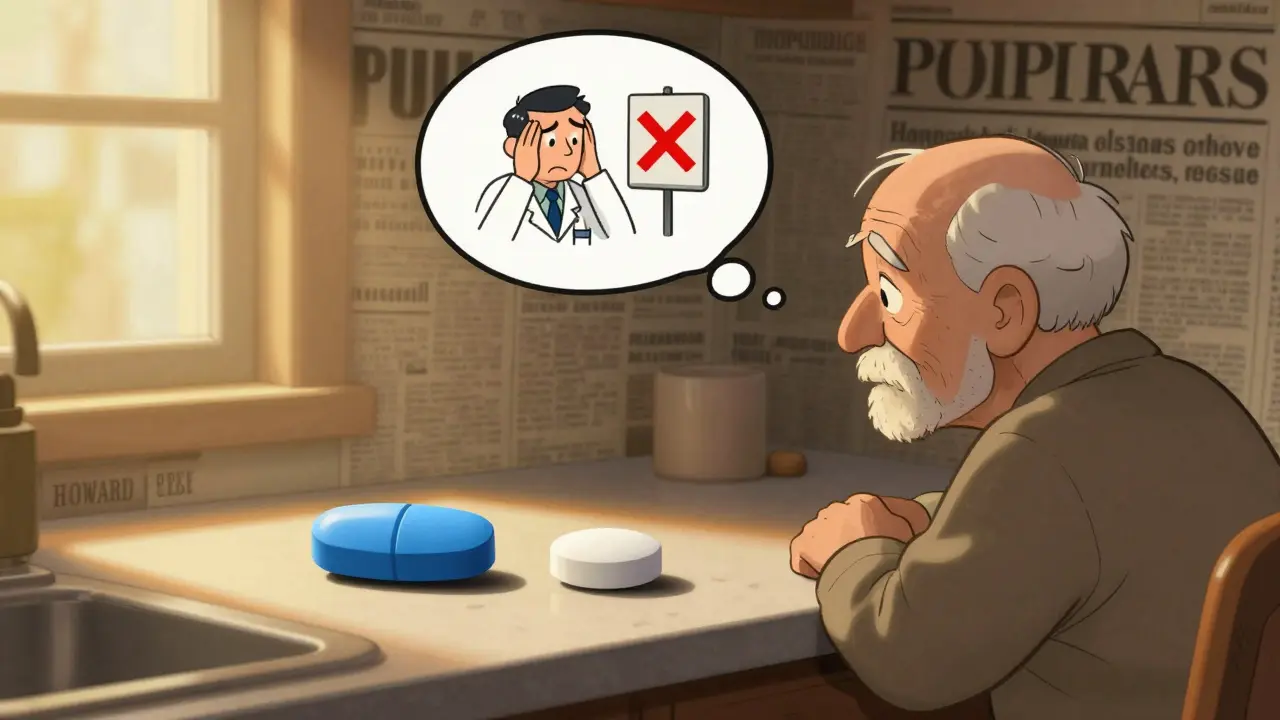
You’ve been taking your blood pressure pill for years. It’s blue, oval, and has a little 10 stamped on it. Then one day, your pharmacy hands you a white, round pill with 55 on it. Same prescription. Same doctor. Same price. But you feel uneasy. Is this really the same drug?
You’re not alone. In the U.S., 9 out of 10 prescriptions are filled with generics. They’re cheaper - often 80% less - and just as effective, according to the FDA. But here’s the problem: people stop taking them. Studies show adherence drops by 10-20% after switching from brand to generic, even when the active ingredient hasn’t changed. That’s not because the medicine doesn’t work. It’s because of perception, confusion, and poor communication.
It’s not the drug - it’s the pill
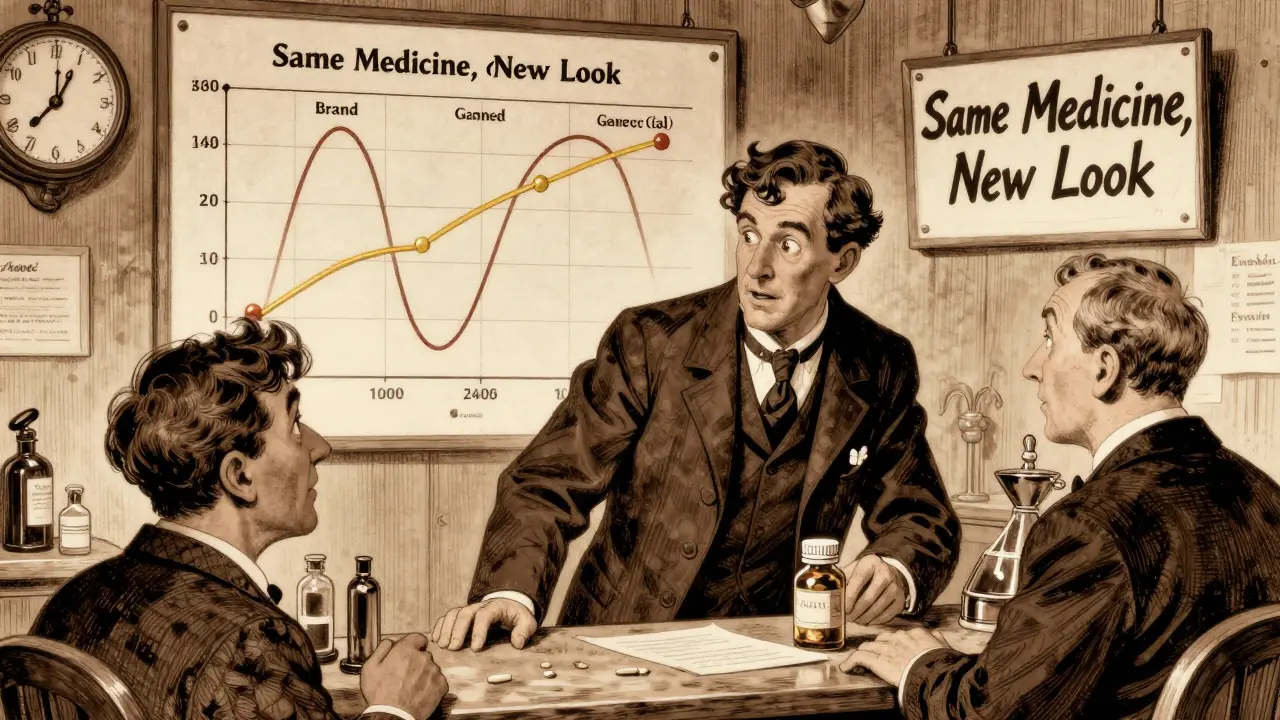
Generic drugs must contain the exact same active ingredient, dose, and route of administration as the brand version. The FDA requires them to be bioequivalent - meaning they absorb into your bloodstream within 80-125% of the brand’s rate. That’s the same variability you’d see between two batches of the same brand-name pill.
So why do people feel different?
It’s the inactive ingredients. Fillers, dyes, coatings - things that don’t treat your condition but make the pill look, taste, or feel different. A 2021 study in JAMA Dermatology found that 3.7% of patients had allergic reactions to these additives. More common: confusion. A University of Michigan study showed nearly 3 in 10 elderly patients couldn’t tell if their pill was the same after a switch. They thought the new shape or color meant it was weaker - or worse, fake.
And then there’s the nocebo effect. If you believe a generic is inferior, your brain can make you feel worse. In one double-blind study, people given identical placebo pills were told one was a brand-name drug and the other was generic. Those who thought they were taking the generic reported 22% more side effects - even though the pills were exactly the same.
Some drugs are trickier than others
Not all medications are created equal when it comes to switching. For statins - cholesterol drugs - switching to generics actually improves adherence. Why? Because the copay drops from $100 to $5. Patients take them more often.
But for drugs with a narrow therapeutic index - where tiny changes in blood levels can cause big problems - the stakes are higher. Think levothyroxine (for thyroid), warfarin (for blood thinning), or lamotrigine (for seizures). A 2017 NEJM study found a small but measurable rise in hospitalizations after switching patients from brand to generic versions of these drugs. It wasn’t because the generics failed. It was because patients, worried about the change, skipped doses or didn’t refill on time.
Antidepressants are another trouble zone. A 2020 study in CNS Drugs found nearly 1 in 5 patients stopped taking their generic antidepressant within a month. Many reported feeling "off," even though their blood levels were unchanged. Mental health is sensitive. The mind notices subtle shifts. And if you’re already feeling fragile, a new pill shape can feel like a betrayal.
What really causes non-adherence? Not the drug - the conversation
Here’s the shocking truth: 37% of adherence problems after a switch come from poor communication - not the drug itself.
Most patients get handed a new pill with zero explanation. A 2022 audit found only 28% of pharmacists explained bioequivalence. Only 34% talked about why the pill looked different. And just 19% asked, "Do you have any concerns?"
Patients aren’t stupid. They’re just not informed. When you don’t understand why the change happened, your brain fills in the blanks - usually with fear.
Compare that to what happens when a pharmacist takes 4 minutes to talk through the switch:
- "This is the same medicine. The FDA requires it to work just like your old pill."
- "The shape and color changed because a different company makes it now. That’s normal."
- "You’re saving $90 a month. That’s $1,000 a year."
- "If you feel anything different, call us. We’ll check your levels."
That kind of conversation boosts adherence by 31%, according to a 2022 meta-analysis. It’s not magic. It’s basic human care.
What patients can do - practical steps to stay on track
If you’re switching to a generic, here’s what actually helps:
- Ask for the same manufacturer. If your brand was made by Pfizer, ask if the generic is made by the same company. Many generics are made by the original brand’s parent company. A 2023 Kaiser Permanente study found patients who got generics from the same manufacturer had 47% higher adherence.
- Use a pill organizer. If the new pill looks different, put your old and new pills side by side. Write down what each one is for. A 63% majority of patients on Reddit said this helped them feel in control.
- Track your symptoms. Keep a simple log: "Day 1: felt fine. Day 3: a little tired. Day 5: back to normal." This helps you spot real changes vs. anxiety.
- Don’t assume the worst. If you feel different, don’t stop. Call your pharmacist. Ask: "Is this normal?" Most of the time, it is.
What providers and pharmacies must fix
Doctors and pharmacists hold the key. Here’s what needs to change:
- Always explain the switch. Don’t assume patients know generics are safe. Say it out loud. Use simple words: "This is the same medicine, just cheaper."
- Use e-prescribing alerts. Systems like Surescripts now flag brand-to-generic switches. When that happens, the pharmacist should be prompted to counsel the patient. Adoption is still low - but when used, adherence jumps 22%.
- Sync refills. If you’re on 5 meds, getting them all on the same refill day cuts confusion and missed doses. A 2022 study showed 18% better adherence when refills were synchronized.
- Check health literacy. Use the Newest Vital Sign tool - a quick 3-question test - to see if a patient understands what you’re saying. Nearly half of low-literacy patients think "generic" means "weaker."
- Follow up. A phone call within 72 hours after a switch cuts non-adherence by 31%. That’s the single most effective intervention we have.
The future: Better systems, better outcomes
Change is coming. Starting January 1, 2025, the FDA will require generic manufacturers to include transition-specific patient guides with every new prescription. That’s a big step.
Also in 2024, the Generic Pharmaceutical Association launched a "Seamless Switch" certification. It’s voluntary - but if a company earns it, they agree to keep pill appearance consistent for critical drugs like thyroid or seizure meds. That could solve the 28% confusion rate in older adults.
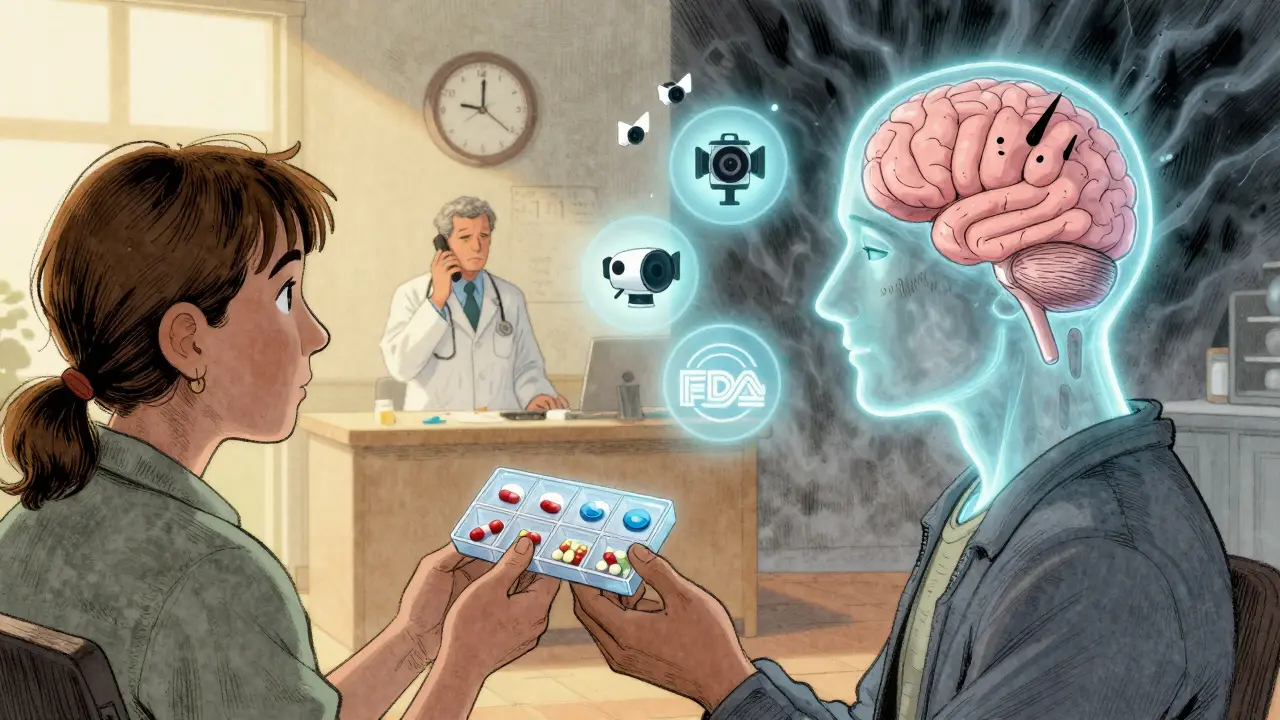
AI tools are helping too. Platforms like AiCure use your phone camera to verify you’re taking your pill. In trials, they boosted adherence by 37% during generic transitions.
And while cost savings are huge - especially for Medicare patients - the real win isn’t just saving money. It’s saving lives. Non-adherence costs the U.S. system $528 billion a year. Most of that comes from preventable hospitalizations - often because someone stopped taking their pill after a switch.
Bottom line: Trust the science - and the conversation
Generics are safe. They’re effective. They’re the backbone of affordable care.
But science doesn’t fix fear. Communication does.
If you’re a patient: Don’t assume the new pill is worse. Ask questions. Track how you feel. Keep taking it.
If you’re a provider: Don’t assume the patient knows. Take 4 minutes. Explain. Listen. Follow up.
Switching to generics shouldn’t be a surprise. It should be a supported transition - one that keeps people healthy, not sidelined by doubt.
Sally Denham-Vaughan
January 2, 2026 AT 16:45So I switched my blood pressure med to generic last year and honestly? I didn’t even notice until my husband pointed out the pill looked different. I thought I was losing my mind for a sec. But I kept taking it, tracked my BP in the app, and guess what? Same numbers. The pharmacy didn’t say a word though. That’s wild. We need more people like Sally here reminding us it’s not magic, it’s math.
Bill Medley
January 3, 2026 AT 21:40The data is unequivocal. Bioequivalence standards are rigorously enforced. Non-adherence stems from communication failure, not pharmacological inferiority.
Richard Thomas
January 5, 2026 AT 15:42It’s fascinating how a pill’s appearance becomes a vessel for existential dread. We’ve outsourced our trust to pharmaceutical logos and color schemes-like the shape of a pill is a sacred symbol of safety. But the body doesn’t care about the dye. It only responds to molecules. And yet, our minds, conditioned by decades of branding, turn a white oval into a betrayal. The nocebo effect isn’t just psychological-it’s cultural. We’ve been sold the idea that expensive = better, even when the science says otherwise. The real tragedy isn’t the pill switch. It’s that we’ve forgotten how to trust science because we’ve been taught to worship packaging.
Andy Heinlein
January 7, 2026 AT 14:29OMG YES. I was scared to switch my antidepressant too, but I started using a pill organizer and put the old and new side by side with little sticky notes. It helped SO much. I felt like I was in control again. Also, my pharmacist actually asked me if I had any worries?? Like, actually asked?? I cried a little. We need more humans in pharmacy, not just scanners.
Todd Nickel
January 8, 2026 AT 09:07The 2022 meta-analysis cited here, which reports a 31% adherence increase following pharmacist counseling, is corroborated by multiple RCTs including those published in JAMA Internal Medicine and Annals of Family Medicine. However, the underlying structural issue remains unaddressed: the current reimbursement model disincentivizes time-intensive counseling. Pharmacists are paid per transaction, not per outcome. Until payment structures align with patient-centered care, even the most well-intentioned conversations will remain the exception, not the norm. This isn’t a communication problem-it’s a systemic one.
gerard najera
January 8, 2026 AT 19:49Generics work. Stop worrying.
Stephen Gikuma
January 10, 2026 AT 07:44They switch your pills because Big Pharma and the government want you dependent on cheap meds so they can control your mind. The FDA? Controlled by the same corporations that make the brand versions. The color change? A trick to make you doubt yourself. You think it’s about cost? No. It’s about obedience. Wake up.
Bobby Collins
January 10, 2026 AT 15:15My cousin’s grandma died after they switched her thyroid med. They said it was the same, but she got so weak. Now I only take brand. I don’t trust any of it. They’re all in on it.