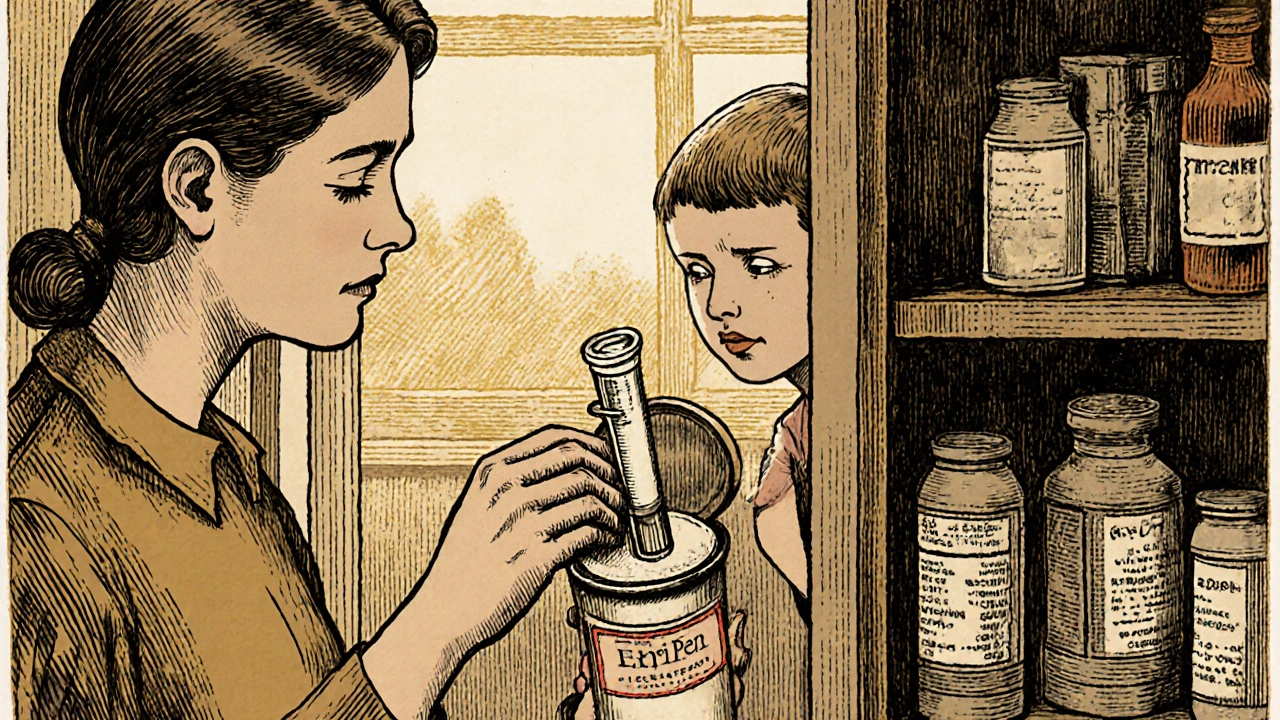
Medication Patch Disposal: Safe Ways to Get Rid of Used Patches
When you remove a medication patch, a sticky, adhesive patch that delivers drugs like painkillers or nicotine through the skin. Also known as transdermal patch, it’s a convenient way to get medicine into your body without swallowing pills. But once it’s used, that patch still holds a dangerous amount of drug—enough to kill a child or pet if found in the trash. Flushing it or tossing it in the regular bin isn’t just careless—it’s risky, and in many places, illegal.
Think about a fentanyl patch, a powerful opioid pain patch often prescribed after surgery or for chronic pain. Even after 72 hours of use, up to 80% of the drug remains inside. If a toddler finds it, peels it off, and sticks it to their skin, they could overdose in minutes. The same goes for nicotine patches, estrogen patches, or even pain relievers like lidocaine. These aren’t just trash—they’re unmarked time bombs. That’s why drug disposal, the proper method of getting rid of unused or expired medications to prevent harm. Also known as pharmaceutical waste management, it’s not optional—it’s a safety must. The FDA and CDC both say: fold the patch in half with the sticky sides together, flush it down the toilet (if the label says to), or take it to a drug take-back program. Never just throw it in the garbage.
What to Do When No Take-Back Site Is Nearby
If your town doesn’t have a drop-off location, don’t panic. You can still dispose of patches safely at home. Fold the patch firmly so the adhesive sides stick together—this traps the drug inside. Then mix it with something unappetizing like coffee grounds or cat litter. Put it in a sealed plastic bag, and toss it in the trash. Write "DO NOT USE" on the bag with a marker. This isn’t ideal, but it’s better than leaving a deadly patch where someone might find it.
Some patches come with special disposal instructions printed right on the box. Always check. If it says "flush," do it. If it says "discard in trash," follow the folding and mixing steps. And never, ever cut a patch open to try to get the medicine out—that’s how accidental overdoses happen.
You’re not just protecting your family—you’re helping the environment. When patches end up in landfills, the drugs can leach into groundwater. Water treatment plants aren’t built to remove these chemicals. That’s why proper disposal matters beyond your front door.
Below, you’ll find real-world advice from pharmacists and doctors on how to handle different types of patches, what to do if a child or pet gets exposed, and how to find local disposal options. No fluff. Just clear steps to keep everyone safe.