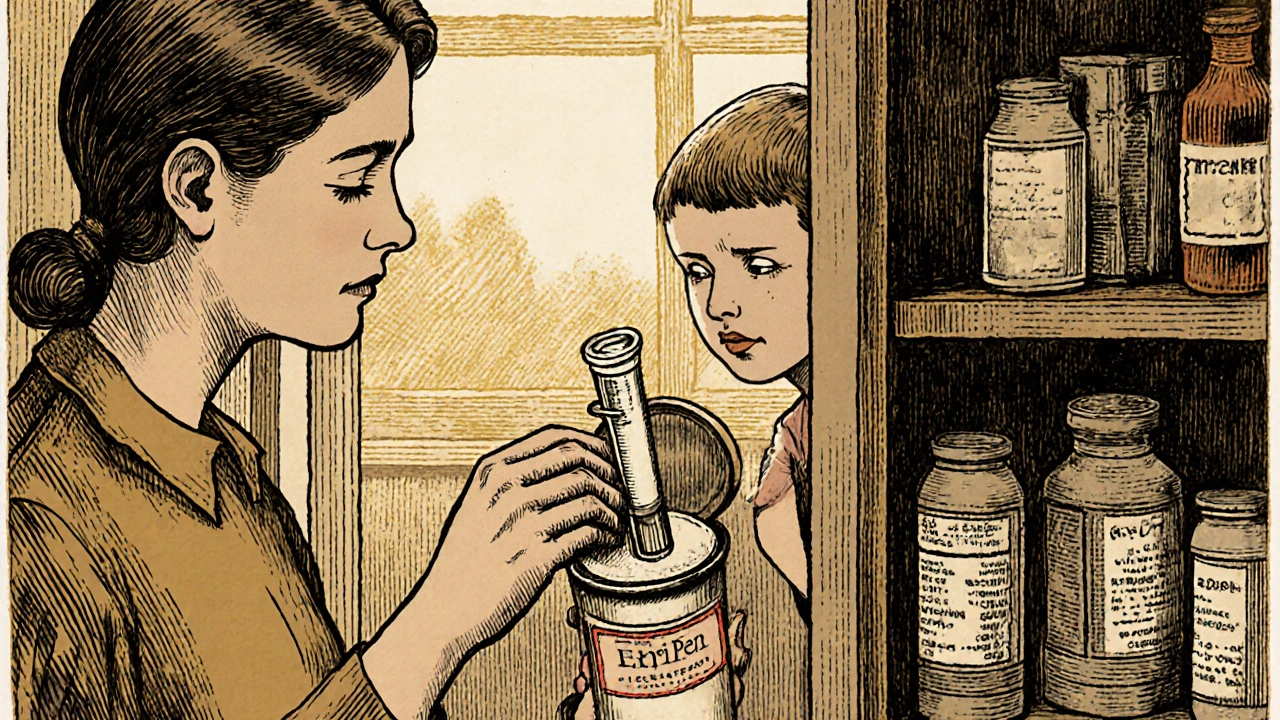
Pharmaceutical Waste: How Medications End Up in Landfills and Water
When you flush an old antibiotic or toss expired painkillers in the trash, you’re contributing to pharmaceutical waste, unused or expired medications that enter the environment through improper disposal. Also known as drug waste, it’s not just about cluttered medicine cabinets—it’s a silent pollution crisis affecting water, wildlife, and even human health. Every year, billions of pills, liquids, and patches are thrown away in the U.S. alone. Many end up in landfills where chemicals leach into soil and groundwater. Others get flushed down toilets, passing through wastewater systems that aren’t built to filter out complex drug compounds.
This isn’t just an environmental issue—it’s tied directly to how we use and dispose of medicine. drug disposal, the process of safely getting rid of unused or expired medications is often misunderstood. People think flushing is safe because it’s convenient, or they hoard pills "just in case," never realizing those extra tablets become hazardous waste. medication safety, the practice of using and storing drugs correctly to avoid harm includes knowing when and how to discard them. Hospitals, clinics, and pharmacies generate massive amounts of this waste too, from single-dose vials to leftover IV bags. But the biggest source? Households.
The impact shows up in surprising places. Fish in rivers have been found with altered hormones from estrogen in birth control pills. Drinking water in some areas contains trace amounts of antidepressants and antibiotics. Even though the doses are tiny, long-term exposure raises concerns. And here’s the catch: most water treatment plants aren’t designed to remove these chemicals. They pass right through.
What can you do? Don’t flush. Don’t toss in the trash without mixing pills with coffee grounds or cat litter first. Look for take-back programs at local pharmacies or community events. These aren’t just good ideas—they’re proven ways to reduce contamination. And if you’re wondering why your local pharmacy doesn’t have a drop box, it’s because regulations and funding vary. But change is happening, slowly.
Below, you’ll find real stories and facts from people who’ve seen this problem up close—from how liquid antibiotics expire fast and get thrown away, to why generic drug pricing affects how much waste ends up in landfills, to how barcode scanning in pharmacies helps prevent overprescribing. These aren’t abstract issues. They’re everyday choices that add up. Let’s look at what’s really going on with the drugs we don’t use.