Sharps Disposal: Safe Ways to Handle Needles and Medical Waste
When you use a needle, syringe, or lancet, the job isn’t done when the injection is finished. Sharps disposal, the safe handling and disposal of used medical needles and sharp instruments. Also known as needle safety, it’s not optional—it’s a public health requirement. Improper disposal puts trash workers, children, pets, and even family members at risk of needlestick injuries and infections like hepatitis or HIV. Every year, tens of thousands of accidental needlesticks happen in homes and public spaces because sharps weren’t stored or discarded correctly.
Proper sharps disposal, the safe handling and disposal of used medical needles and sharp instruments. Also known as needle safety, it’s not optional—it’s a public health requirement. isn’t just about throwing needles in the trash. It requires a sharps container, a puncture-resistant, leak-proof container designed specifically for holding used needles and other sharp medical devices. Also known as biohazard waste container, it’s the first line of defense against injury.. These containers are often red, labeled with the biohazard symbol, and made of thick plastic or metal. You can buy them at pharmacies, medical supply stores, or get them free from your doctor or pharmacy if you’re on long-term injectable treatment. Once full, you seal it and drop it off at a designated collection site—like a hospital, pharmacy, or community hazardous waste center. Some areas even offer mail-back programs so you can send used containers directly to a disposal facility.
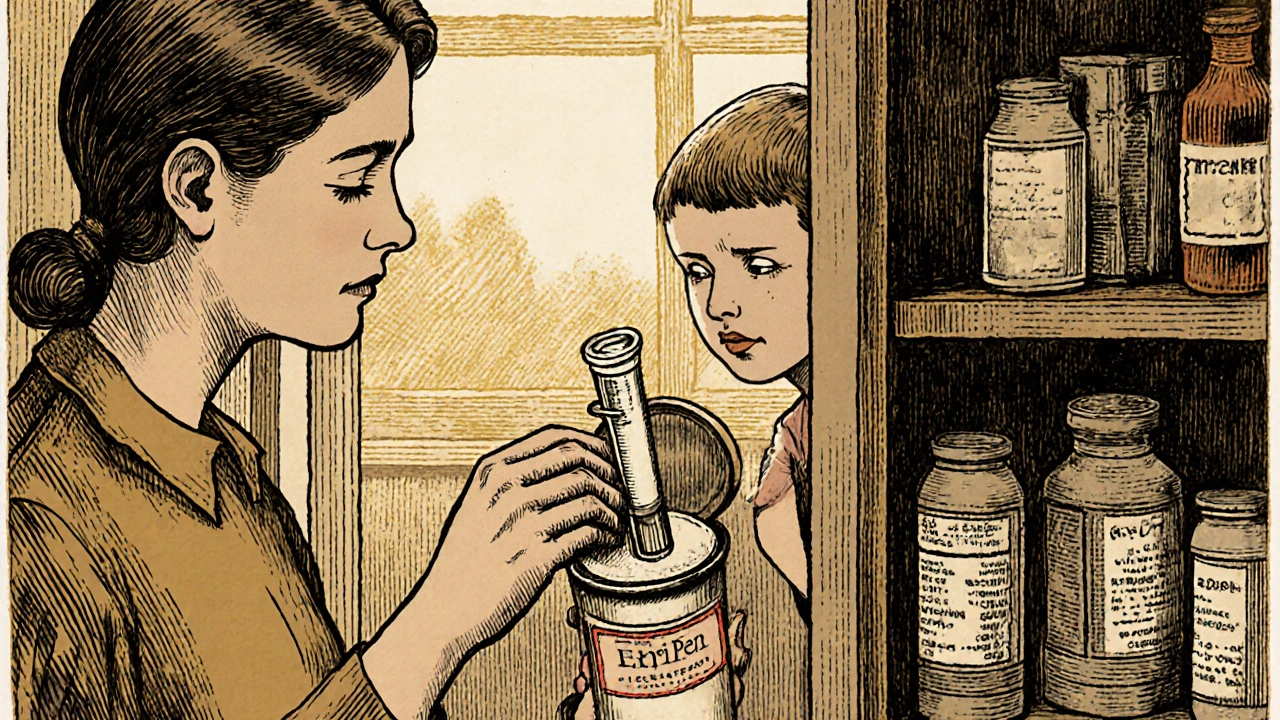
It’s not just needles. Sharps include auto-injectors like EpiPens, insulin pens with attached needles, lancets for blood glucose testing, and even broken glass vials if they’ve held medication. Even if you think a needle looks "clean," it’s still contaminated with blood or bodily fluids. That’s why you never recap, bend, or break needles before disposal. You never flush them. You never toss them into regular recycling or household trash. These habits might seem harmless, but they’re dangerous—and illegal in many places.
If you’re managing a chronic condition like diabetes, rheumatoid arthritis, or multiple sclerosis, sharps disposal becomes part of your daily routine. It’s not just about safety—it’s about responsibility. When you dispose of sharps correctly, you protect your neighbors, your community, and the people who collect your trash. It’s simple: use the right container, seal it when full, and drop it off where it’s meant to go.
Below, you’ll find real-world guides on how to handle medical waste safely, what to do if you’re unsure where to dispose of sharps, and how to avoid common mistakes that put lives at risk. Whether you’re a patient, caregiver, or just someone trying to do the right thing, these posts give you the facts you need—no fluff, no jargon, just clear steps to stay safe.