
Allergy Action Plan: Medications to Carry and When to Use Them
Learn which medications to carry for severe allergies, when to use epinephrine, and why antihistamines aren’t enough. A clear, life-saving guide based on current medical guidelines.

When someone is having a life-threatening allergic reaction, epinephrine, a fast-acting hormone and medication used to reverse severe allergic reactions. Also known as adrenaline, it’s the only treatment that can stop anaphylaxis before it kills. If you or someone else is struggling to breathe, swelling up quickly, or feeling dizzy after eating, stung, or exposed to an allergen — epinephrine isn’t optional. It’s the first and most critical step.
Epinephrine works by tightening blood vessels, opening airways, and boosting heart function — all things your body can’t do on its own during anaphylaxis. You don’t need to wait for symptoms to get worse. If you see any two of these: hives + trouble breathing, swelling of the tongue or throat + nausea, dizziness + rapid pulse — use it. Delaying can cost minutes, and minutes can cost lives. Many people think they’ll know when it’s "bad enough," but anaphylaxis doesn’t wait. Kids, adults, first-time reactions — it can hit anyone, anytime. That’s why people with known allergies carry epinephrine auto-injectors, pre-filled devices like EpiPens or Auvi-Q that deliver a measured dose with a simple jab. They’re not just for peanut allergies. Shellfish, bee stings, latex, even some medications can trigger the same deadly response.
Using epinephrine isn’t the end — it’s the start of emergency care. After injecting, call 911 immediately. Symptoms can come back, sometimes worse, hours later. That’s why you need to go to the hospital even if you feel better. And don’t forget to replace the used injector. Expired or old pens won’t work when you need them. Store them at room temperature, check the expiration date every few months, and make sure family, teachers, or coworkers know where it is and how to use it. Many deaths happen because someone had the device but didn’t use it in time — or didn’t know how.
You’ll find real-world advice in the posts below: how to safely dispose of old EpiPens, what to do if you accidentally use one, how to teach kids to recognize the signs, and how to avoid mixing epinephrine with other meds that could make things worse. These aren’t theoretical guides. They’re from people who’ve lived it — pharmacists, caregivers, and patients who know exactly when every second counts.
Nov, 29 2025
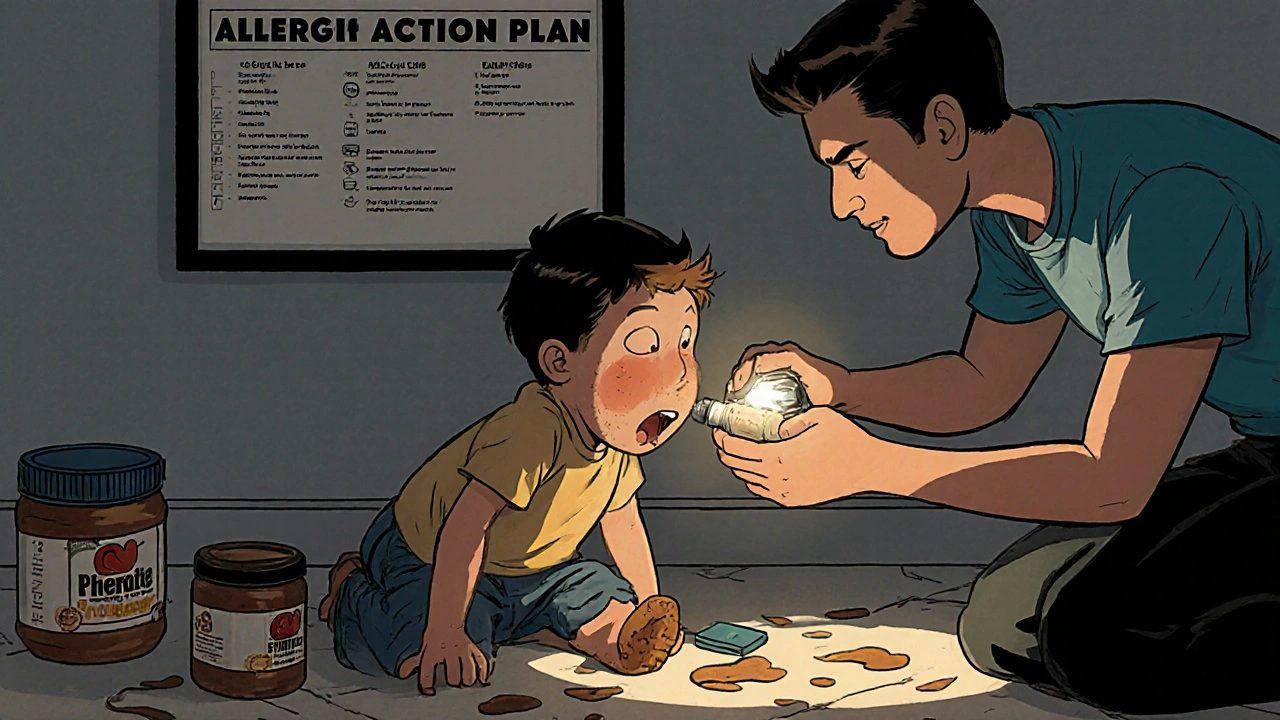
Learn which medications to carry for severe allergies, when to use epinephrine, and why antihistamines aren’t enough. A clear, life-saving guide based on current medical guidelines.