
Tinnitus and Sleep: Nighttime Strategies That Actually Work
Learn science-backed strategies to sleep better with tinnitus, including sound therapy, sleep hygiene, and CBT. Discover what works, what doesn’t, and how to start tonight.

When your ears ring, buzz, or hiss constantly, silence doesn’t help—it makes it worse. That’s where white noise for tinnitus, a steady, unobtrusive sound used to mask unwanted ear noises. Also known as sound therapy, it doesn’t cure tinnitus, but it gives your brain something else to focus on, reducing the stress and frustration that make the ringing feel louder. Many people with tinnitus report their symptoms feel more manageable when background noise is present, especially at night when everything else is quiet.
Not all sounds work the same. pink noise, a deeper, softer version of white noise with more low-frequency content often feels more natural and less harsh, making it better for sleep. brown noise, even lower and rumbling, like distant thunder or a strong waterfall helps some people drift off faster. Then there’s nature sounds, like rain, ocean waves, or forest ambiance—these aren’t technically white noise, but they serve the same purpose: distracting your brain from the internal noise. The key isn’t the type of sound, but consistency. Your brain learns to tune out steady sounds over time, which is exactly what you want.
Why does this work? Tinnitus isn’t just a sound—it’s a signal your brain keeps amplifying because it’s not used to ignoring it. Think of it like a flashlight in a dark room. If you turn on a dim lamp, the flashlight doesn’t disappear, but it’s easier to ignore. That’s what white noise does: it turns on the lamp. Studies show consistent use over weeks can reduce how much attention your brain pays to the ringing. It’s not magic, but it’s one of the few non-drug approaches with real, repeatable results.
People who use white noise for tinnitus often pair it with good sleep habits—keeping the volume low, using a dedicated device or app, and avoiding sudden silence. Some use bedside machines, others use apps on their phones. The best option is the one you’ll actually use every night. You don’t need expensive gear. A simple fan, a Bluetooth speaker playing a looped track, or even a dedicated sound machine under $50 can make a difference.
If you’ve tried everything and the ringing still keeps you up, you’re not alone. Tinnitus affects over 50 million Americans, and many find relief not by eliminating the sound, but by changing how they react to it. Sound therapy is the most common first step—and for good reason. It’s safe, cheap, and works for a lot of people. What you’ll find below are real stories, tested methods, and practical tips from people who’ve been there. No fluff. No hype. Just what actually helps.
Nov, 16 2025
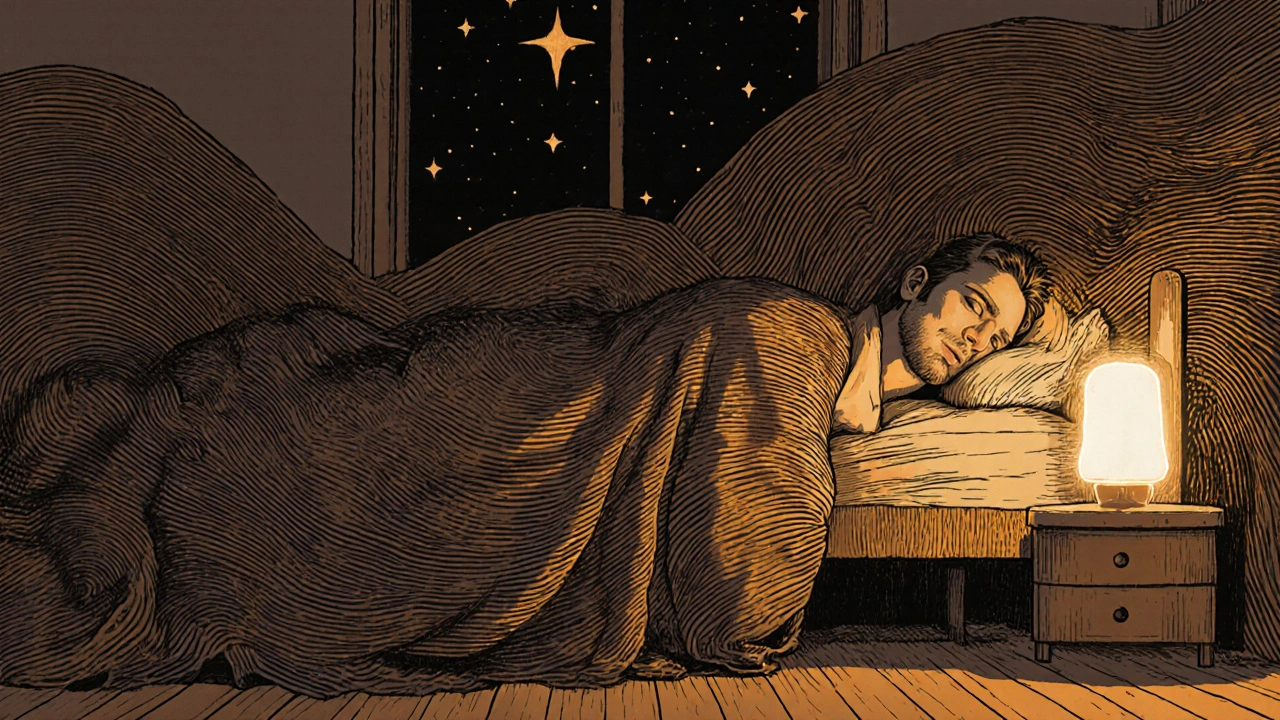
Learn science-backed strategies to sleep better with tinnitus, including sound therapy, sleep hygiene, and CBT. Discover what works, what doesn’t, and how to start tonight.