

Medication Driving Risk Calculator
Medication Search
Results will appear here
Driving While on Medication Isn’t Always Safe - Even If You Feel Fine
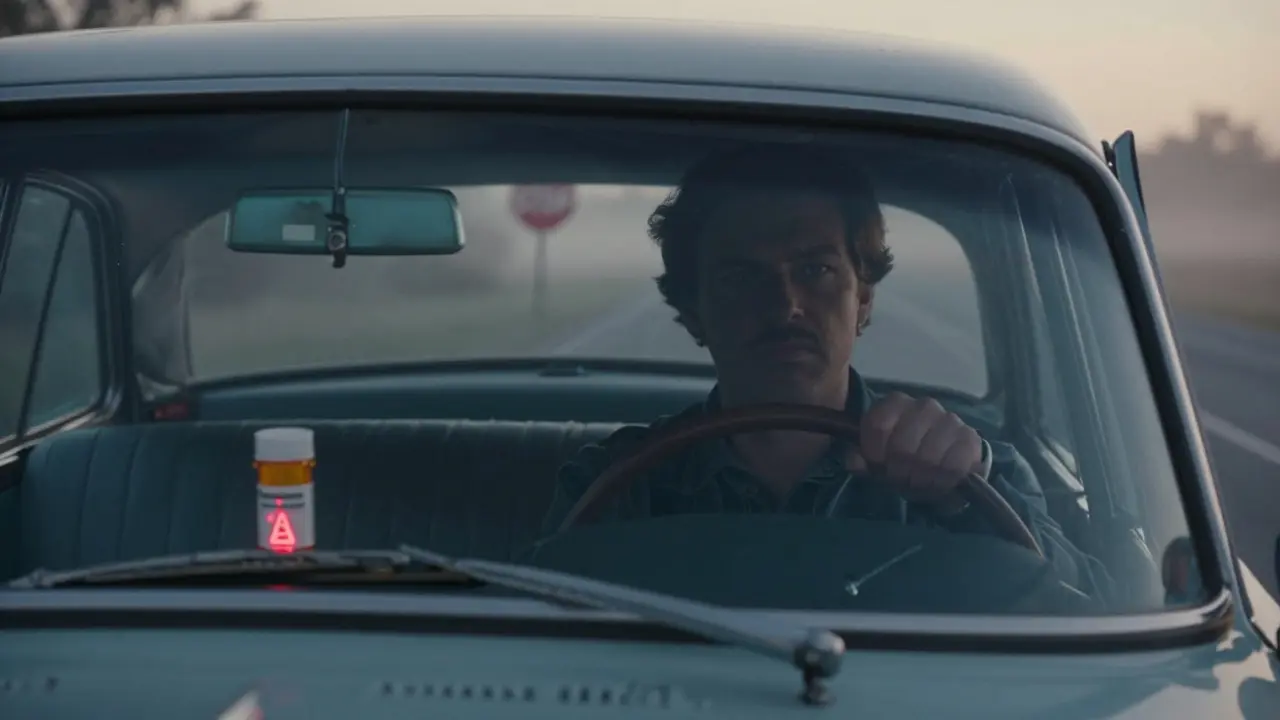
Most people don’t think twice about taking a pill before getting behind the wheel. A painkiller for back pain. A sleep aid after a rough night. An antihistamine for allergies. But what if that pill is quietly stealing your ability to react, focus, or brake in time? The truth is, medications are now one of the biggest hidden dangers on the road - second only to alcohol when it comes to crash risk.
It’s not just illegal drugs or drunk driving anymore. In 2022, nearly 18% of fatal crashes involved drugs - and most of those were prescription or over-the-counter medications. You might feel perfectly fine. You might even think you’re being careful. But your body doesn’t always tell you when you’re impaired. And the law doesn’t care how you feel - it cares about what’s in your system.
Which Medications Are Most Dangerous Behind the Wheel?
Not all meds are created equal when it comes to driving. Some are harmless. Others? They’re like drinking three beers without realizing it.
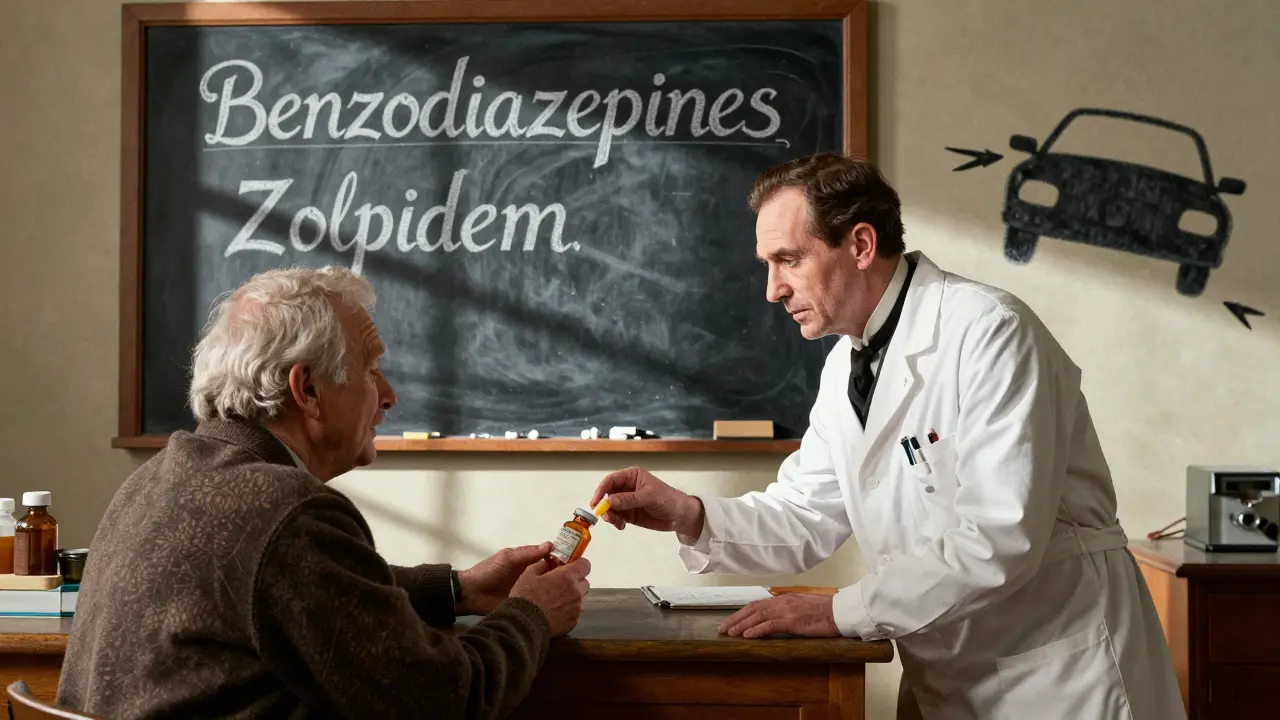
- Benzodiazepines (like Xanax, Valium): These are prescribed for anxiety and insomnia. They slow down your brain’s processing speed by 25-40%. Studies show they increase crash risk by 40-60%. Even a single dose can leave you dangerously sluggish.
- Opioids (like oxycodone, fentanyl): Used for pain, they cause droopy eyelids, slow reflexes, and reduce reaction time by up to 300 milliseconds - enough to turn a near-miss into a collision.
- First-generation antihistamines (like diphenhydramine in Benadryl or Tylenol PM): These are in many cold and allergy meds. They impair driving as much as a 0.10% blood alcohol level - higher than the legal limit in every U.S. state. And they can linger for hours. One driver in Sydney took Tylenol PM at 10 p.m., woke up at 7 a.m., drove to work at 9 a.m., and still failed a field sobriety test.
- Tricyclic antidepressants (like amitriptyline) and mirtazapine: These can increase your risk of being in a crash by 40%. They cause drowsiness, blurred vision, and poor coordination - all bad news when you’re merging onto a highway.
- NSAIDs (like ibuprofen, naproxen): You might think these are harmless. But research shows users have a 58% higher chance of being in a crash. Why? They can cause dizziness and delayed reaction times, especially in older adults.
- Zolpidem (Ambien): This sleep pill can impair you for up to 11 hours after taking it. Most people think they’re fine by morning. They’re wrong.
Even second-generation antihistamines like loratadine (Claritin) or cetirizine (Zyrtec) aren’t completely risk-free. While they’re much safer, some people still report drowsiness - especially when combined with alcohol, caffeine, or other meds.
Why You Think You’re Fine - But You’re Not
Here’s the scary part: you usually don’t feel impaired until it’s too late.
Medications don’t make you drunk. They make you slow. They make you distracted. They make you forget to check your mirrors. They make you miss a stop sign because your brain isn’t processing the signal fast enough. And because you don’t feel “drunk,” you assume you’re okay.
A 2021 survey of 2,657 drivers found that 5% admitted to driving within two hours of taking a prescription drug known to cause drowsiness. That’s 1 in 20 people. Even more alarming? 68% of patients said their doctor never warned them about driving risks when prescribing these meds.
Pharmacists are better about it - 89% now give driving warnings when dispensing. But if you don’t ask, you won’t hear it. And if you don’t read the label, you won’t know. Most labels just say “may cause drowsiness.” That’s it. No timing. No guidance. No clarity.
Combining Meds Is a Recipe for Disaster
It’s not just one drug. It’s the mix.
Dr. Robert Voas, a leading traffic safety scientist, found that 22% of drivers tested after crashes had multiple drugs in their system. Alcohol plus a painkiller. Sleep aid plus anxiety med. Cold medicine plus antidepressant. These combinations don’t just add up - they multiply. The effect is stronger than the sum of each drug alone.
One study showed that taking a benzodiazepine and alcohol together increased crash risk by 170%. That’s not a 170% increase in drowsiness - that’s a 170% increase in the chance of dying in a crash.
And here’s the twist: people know this is dangerous. An Ipsos survey found that 85% of U.S. adults said they’d be extremely uncomfortable riding with someone who’d taken multiple drugs. Yet 37% admitted they’d done it themselves.
Legal Consequences Are Real - and Harsh
Driving under the influence of drugs is illegal - even if the drug was prescribed.
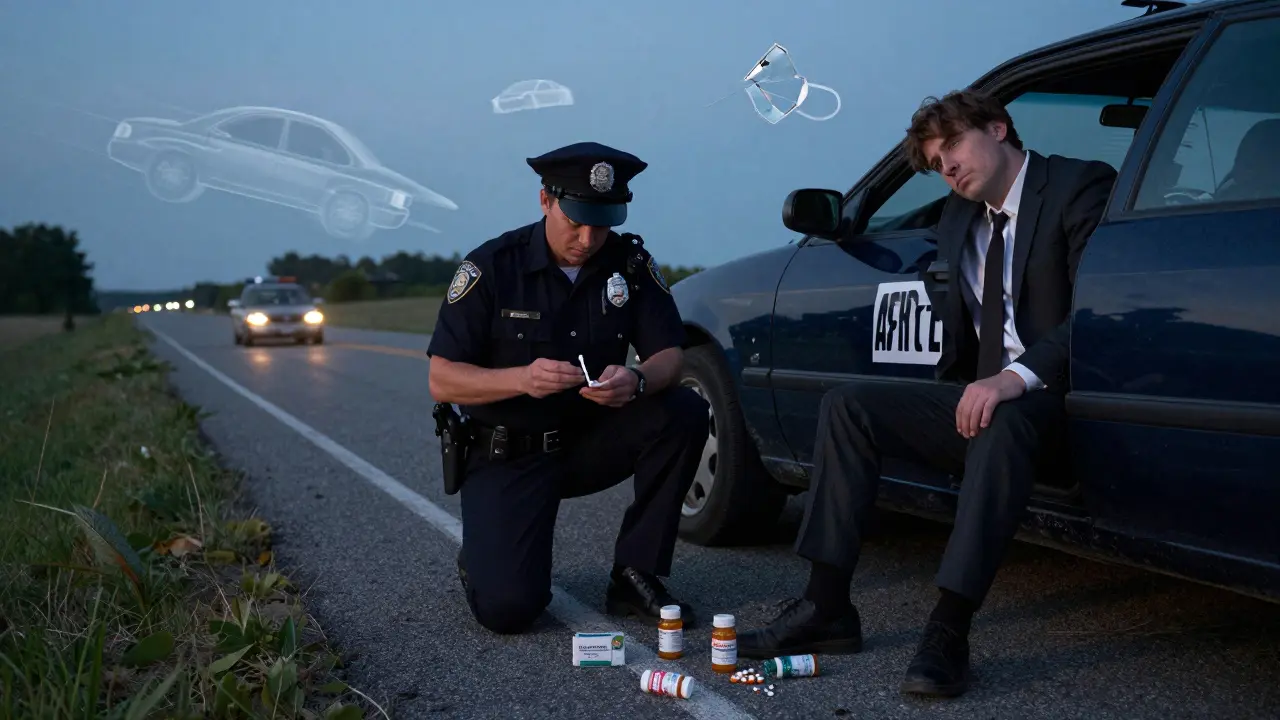
In most states, there’s no legal blood limit for prescription meds like there is for alcohol (0.08%). But that doesn’t mean you’re safe. Police can still arrest you if they believe your driving was impaired. And prosecutors don’t need to prove you were “drunk.” They just need to show the drug affected your ability to drive safely.
By 2023, 47 states had expanded their Drug Evaluation and Classification (DEC) programs, training officers to spot drug impairment just like they do for alcohol. Some states now use roadside saliva tests that can detect 12 common prescription drugs with 92.7% accuracy.
Penalties vary. But they can include license suspension, heavy fines, mandatory drug education, and even jail time - especially if someone gets hurt or killed.
And here’s the kicker: insurance companies can deny claims if you were driving while impaired by medication. That means you could be stuck paying for repairs, medical bills, or legal fees - all because you took a pill without knowing the risk.
What You Can Do to Stay Safe
You don’t have to give up your meds. But you do need to be smarter about them.
- Ask your doctor or pharmacist: “Can this affect my driving?” Don’t wait for them to tell you. Ask. Specifically. And write down the answer.
- Read the label. Look for the time frame. If it says “may cause drowsiness,” assume it does. And wait at least 4-6 hours after taking first-gen antihistamines. Wait 8-12 hours after zolpidem. If you’re unsure, wait longer.
- Test yourself before driving. Try this: sit in your car, turn on the engine, and pretend you’re driving. Can you smoothly shift gears? Can you check your mirrors without hesitation? Can you simulate braking without delay? If you feel off, don’t drive.
- Never mix meds with alcohol or marijuana. Even if you’ve done it before, it’s not safe. The interaction is unpredictable.
- Use alternatives when possible. For allergies, try non-drowsy options like loratadine. For sleep, try melatonin or behavioral changes instead of zolpidem. For pain, consider physical therapy or ice packs before popping pills.
- Know the Beers Criteria. If you’re over 65, this list of 30+ high-risk medications should be in your phone. It’s updated every few years. Ask your pharmacist for a copy.
What’s Changing - And What’s Still Broken
Things are slowly improving. In May 2023, the FDA started requiring “Driving Risk Scores” on all CNS-acting medications - rating them from 1 (minimal risk) to 5 (severe risk). That’s a big step forward.
By 2027, most new cars will have biometric sensors that track your eye movements and steering patterns. If you’re drowsy or impaired, the car might beep, slow down, or even pull over.
But here’s the problem: those sensors won’t help you today. And 85% of drivers still don’t know what’s in their meds. Only 32% of medication labels give clear driving instructions. And only 41% of doctors talk about driving risks during consultations.
Until that changes, the burden is on you.
Final Thought: Just Because It’s Legal Doesn’t Mean It’s Safe
You can buy a sleeping pill at the pharmacy. You can get a painkiller from your doctor. But that doesn’t mean you should drive after taking it.
Medication isn’t the enemy. Ignorance is.
If you’re on any of these drugs, ask the hard questions. Wait longer than you think you need to. Test yourself. And if you’re unsure - don’t drive. It’s not worth the risk. Not for you. Not for anyone else on the road.
Can I drive after taking a prescription painkiller?
It depends on the drug. Opioids like oxycodone or hydrocodone can severely slow your reaction time and make you drowsy. Even if you feel fine, your reflexes may be delayed by up to 300 milliseconds - enough to cause a crash. Never drive after taking a new opioid until you’ve tested how it affects you in a safe setting, like sitting in your parked car. Always ask your doctor for specific guidance.
Are over-the-counter cold medicines safe to drive after?
Many are not. Cold and allergy meds with diphenhydramine (like Benadryl, Tylenol PM, or NyQuil) can impair you as much as a 0.10% blood alcohol level - higher than the legal limit in every U.S. state. Even if you take them at night, they can linger into the next day. Look for labels that say “non-drowsy” and choose loratadine or cetirizine instead.
What if I’m over 65? Are older adults more at risk?
Yes. As we age, our bodies process drugs slower, and our brains become more sensitive to their effects. The Beers Criteria lists over 30 medications that should be avoided in adults over 65 because they increase crash risk. Common ones include benzodiazepines, anticholinergics, and certain sleep aids. Always review your meds with a pharmacist - especially if you take more than three.
Can I be arrested for driving while on prescribed medication?
Absolutely. Being prescribed a medication doesn’t give you legal immunity. If police believe your driving was impaired - even if you followed the dosage - you can be charged with drug-impaired driving. Prosecutors only need to prove the drug affected your ability to drive safely. You can lose your license, face fines, or even go to jail - especially if someone is hurt.
How do I know if my medication has a high driving risk?
Since May 2023, the FDA requires all CNS-acting medications (like sleep aids, anti-anxiety drugs, and painkillers) to carry a Driving Risk Score from 1 to 5. Look for this on the label. A score of 4 or 5 means high risk. You can also ask your pharmacist or check the Beers Criteria list for older adults. If the label just says “may cause drowsiness,” assume it’s high risk.
What should I do if I’ve already driven after taking a risky medication?
If you didn’t crash and no one was hurt, the best thing to do is learn from it. Never do it again. If you’re worried you may have been impaired but weren’t caught, consider taking a break from driving for a few days. Talk to your doctor about switching to a safer alternative. And if you’ve been pulled over or questioned, don’t admit to anything - but don’t lie either. Get legal advice.
Ishmael brown
February 1, 2026 AT 09:39June Richards
February 1, 2026 AT 10:06Lu Gao
February 2, 2026 AT 03:34Nidhi Rajpara
February 4, 2026 AT 00:45Jamie Allan Brown
February 5, 2026 AT 02:41It’s not about being paranoid. It’s about being responsible. Your brain doesn’t send a warning siren when it’s slowing down.
Nicki Aries
February 6, 2026 AT 19:13Ed Di Cristofaro
February 6, 2026 AT 19:51Bryan Coleman
February 7, 2026 AT 22:07It's not about fear. It's about awareness. And the system isn't helping.
Naresh L
February 8, 2026 AT 18:20Sami Sahil
February 9, 2026 AT 21:23franklin hillary
February 10, 2026 AT 06:07It’s a systemic failure. We need mandatory driving-risk counseling with every new CNS prescription. Not a footnote. Not a whisper. A full conversation.
And yes - if you’re on anything with a risk score above 3, test yourself before driving. Sit in your car. Simulate the drive. If you hesitate? Don’t go.
Jaden Green
February 12, 2026 AT 01:27Meanwhile, the real epidemic is overmedication itself - not the act of driving after taking a pill. We’ve turned every minor discomfort into a pharmaceutical problem. And now we’re punishing people for trying to live normally.
Next up: banning sunlight because UV rays can cause cancer. How’s that for logic?