
Allergy Action Plan: Medications to Carry and When to Use Them
Learn which medications to carry for severe allergies, when to use epinephrine, and why antihistamines aren’t enough. A clear, life-saving guide based on current medical guidelines.

When your body overreacts to something harmless—like peanuts, bee stings, or pollen—it can trigger a life-threatening response called anaphylaxis, a sudden, severe allergic reaction that can shut down breathing and circulation. An allergy action plan, a personalized, written guide that tells you exactly what to do when an allergic reaction starts isn’t just advice—it’s a lifeline. It turns panic into action, giving you and your loved ones clear steps before it’s too late.
This plan isn’t one-size-fits-all. It’s built around your specific triggers, symptoms, and meds. For someone with a history of epinephrine auto-injector, a portable device that delivers a life-saving dose of epinephrine during anaphylaxis use, the plan says: When swelling starts, inject immediately, then call 911. For others, it might list warning signs like hives, throat tightness, or dizziness before the injection step. It also includes emergency contacts, doctor details, and instructions for schools, workplaces, or caregivers. Without this plan, even people who know they’re allergic often freeze in a crisis. Studies show that having a written plan increases the chance of using epinephrine on time by over 70%.
But an allergy action plan doesn’t just help during emergencies—it shapes how you live. It connects to daily habits like reading food labels, avoiding cross-contamination, and carrying your meds everywhere. It’s why you check if a restaurant uses shared fryers, or why your child’s teacher keeps a spare injector in the classroom. The plan ties together everything from allergy management to emergency response. You don’t just wait for a reaction—you prevent it, recognize it fast, and act without doubt.
What you’ll find below are real-world guides that build on this foundation: how to safely dispose of expired EpiPens, what to do when a medication triggers an allergic response, how to spot hidden allergens in supplements, and why knowing your triggers isn’t enough—you need a plan that works when it counts. These aren’t theory pieces. They’re tools made by people who’ve lived through it, and they’re here to help you stay safe, not just informed.
Nov, 29 2025
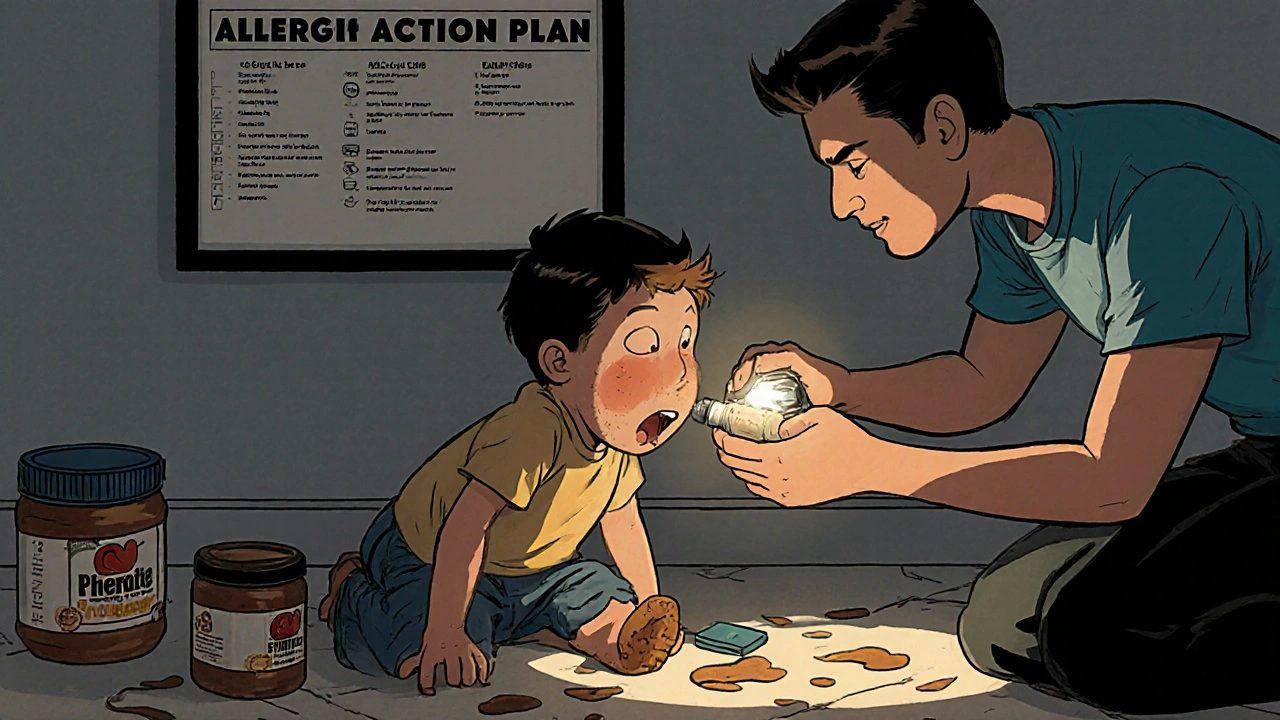
Learn which medications to carry for severe allergies, when to use epinephrine, and why antihistamines aren’t enough. A clear, life-saving guide based on current medical guidelines.