
Allergy Action Plan: Medications to Carry and When to Use Them
Learn which medications to carry for severe allergies, when to use epinephrine, and why antihistamines aren’t enough. A clear, life-saving guide based on current medical guidelines.

When a severe allergic reaction hits, seconds matter. An allergy emergency kit, a portable collection of life-saving medications and tools designed for immediate use during anaphylaxis. Also known as an anaphylaxis kit, it’s not just a precaution—it’s a lifeline for people with known allergies to foods, insect stings, or medications. Most people don’t realize how fast anaphylaxis can turn deadly. Breathing can shut down in under 10 minutes. Without quick action, the outcome can be fatal. That’s why carrying a properly stocked allergy emergency kit isn’t optional—it’s essential.
The core of every allergy emergency kit is epinephrine, a hormone and medication that reverses the dangerous effects of a severe allergic reaction by opening airways and raising blood pressure. It’s most commonly delivered through an auto-injector like an EpiPen, a pre-filled, easy-to-use device that delivers a single dose of epinephrine with a simple jab. But a kit isn’t just one shot. It also includes antihistamines like diphenhydramine (Benadryl) to help with milder symptoms, a medical alert card with your allergies, and sometimes a rescue inhaler if asthma is part of your risk profile. Knowing how to use each item matters just as much as having it. Many people panic when symptoms start. Training yourself and those around you—family, coworkers, teachers—can make the difference between a scare and a tragedy.
It’s not just for kids with peanut allergies. Adults with bee sting allergies, shellfish reactions, or even drug sensitivities need these kits too. And it’s not enough to keep one at home. You need one in your bag, at work, in the car, and maybe even at your child’s school. Expired EpiPens don’t work. Storing them in a hot car or a dark drawer can weaken the medication. That’s why safe disposal and regular checks are part of the routine. You wouldn’t drive without checking your brakes—don’t risk your life with an outdated kit.
What you’ll find in the posts below are real, practical guides on how to build, maintain, and use your allergy emergency kit the right way. From how to tell if your EpiPen is still good, to what to do after you’ve used it, to how to explain your needs to others—every article is written by people who’ve been there. No fluff. No jargon. Just what you need to stay safe when seconds count.
Nov, 29 2025
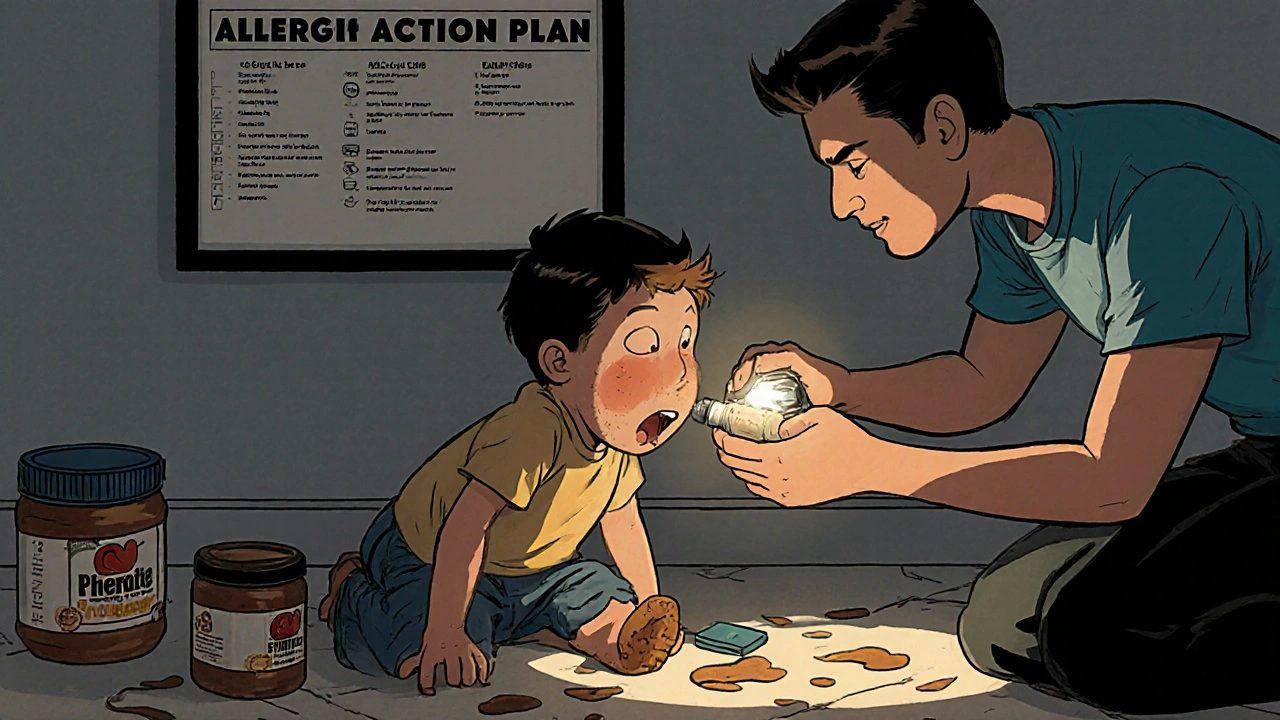
Learn which medications to carry for severe allergies, when to use epinephrine, and why antihistamines aren’t enough. A clear, life-saving guide based on current medical guidelines.