Comorbidities: Understanding How Multiple Health Conditions Interact
When you have more than one chronic condition at the same time, that’s called comorbidities, the presence of two or more medical conditions in a patient simultaneously. It’s not just having two problems—it’s how they talk to each other, often making one worse, changing how medications work, or hiding symptoms until it’s too late. Think of it like a tangled wire: fix one part, and the whole system might short out.
Take metabolic syndrome, a cluster of conditions including high waist size, elevated triglycerides, and insulin resistance that increase heart disease and diabetes risk. It doesn’t show up alone. People with metabolic syndrome often also have sleep apnea, a breathing disorder during sleep that spikes blood pressure and strains the heart. And that’s not all—sleep apnea makes insulin harder to control, which makes metabolic syndrome worse. It’s a loop. The same goes for heart disease, a broad term covering conditions like high blood pressure, coronary artery disease, and heart failure. It doesn’t just happen. It’s often fueled by obesity, diabetes, or long-term inflammation from other illnesses.
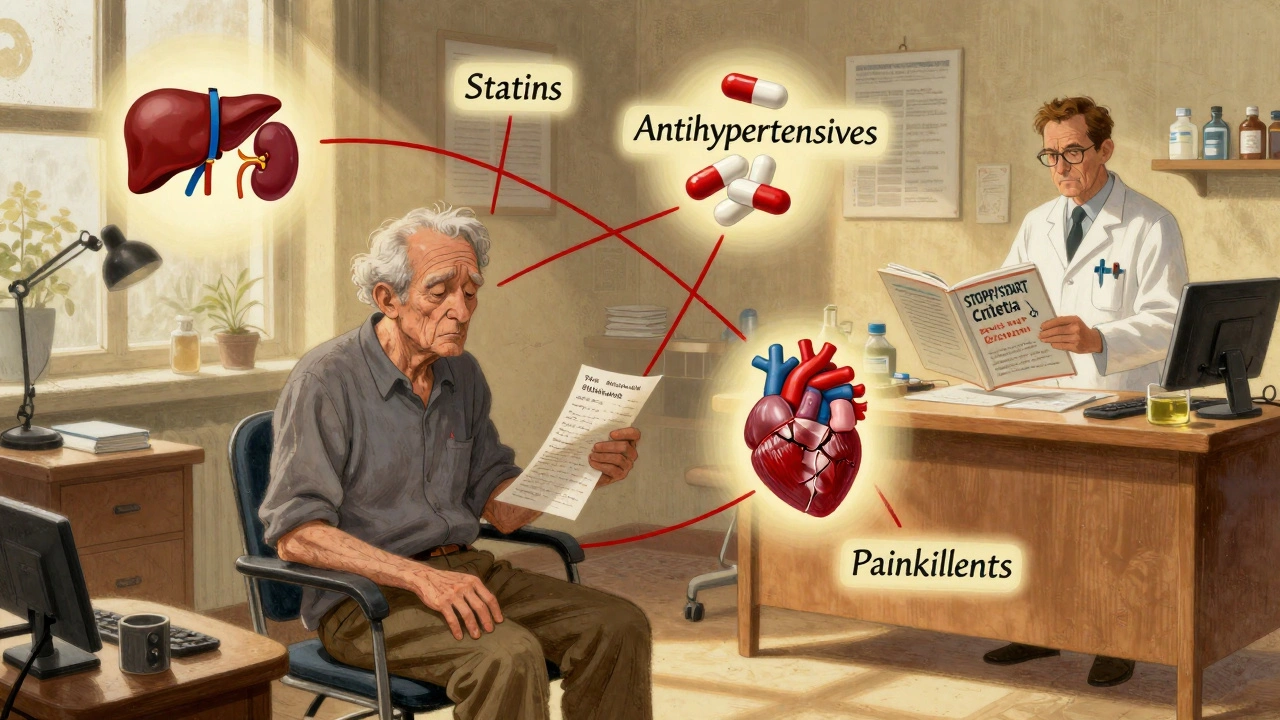
And then there’s the medication side. If you’re taking something for your blood pressure and another for your diabetes, those drugs might interact in ways your doctor didn’t expect. For example, combining certain antibiotics with muscle relaxants can drop your blood pressure dangerously low. Or using acid blockers long-term might mess with nutrient absorption, making your osteoporosis or anemia worse. These aren’t edge cases—they’re common in people managing multiple conditions. The real danger isn’t the conditions themselves. It’s treating them like separate problems instead of parts of one bigger picture.
That’s why the posts here focus on real-world connections: how sleep apnea quietly drives heart disease, why combining acid meds can backfire, how statin choices change based on your other illnesses, and why some drug combos are ticking time bombs. You won’t find vague advice here. You’ll find clear links between conditions, what to watch for, and what to ask your provider before the next prescription comes in. Whether you’re managing diabetes and high blood pressure, dealing with cognitive decline and depression, or just trying to figure out why your meds aren’t working like they should—this collection gives you the map.