
Allergy Action Plan: Medications to Carry and When to Use Them
Learn which medications to carry for severe allergies, when to use epinephrine, and why antihistamines aren’t enough. A clear, life-saving guide based on current medical guidelines.

When a severe allergic reaction strikes, epinephrine, a life-saving hormone and medication used to reverse anaphylaxis. Also known as adrenaline, it's the only treatment that can stop a rapidly worsening allergic reaction before it kills. Every second counts — epinephrine works by tightening blood vessels, opening airways, and boosting heart function. Without it, anaphylaxis can lead to shock, respiratory failure, or death within minutes.
Most people carry epinephrine in the form of an EpiPen, a pre-filled auto-injector designed for quick, simple use during emergencies. But knowing how to use it isn’t enough. You also need to know when to use it. Swelling of the throat, trouble breathing, hives, dizziness, or a sudden drop in blood pressure after eating, being stung, or taking medication? That’s not just discomfort — that’s a signal to act. Delaying epinephrine for antihistamines or waiting to see if symptoms get worse is a dangerous mistake. The anaphylaxis, a severe, potentially fatal allergic reaction that affects multiple body systems doesn’t wait for a doctor’s appointment.
Even after using epinephrine, you still need to call 911. The effects wear off in 10 to 20 minutes, and symptoms can return — sometimes even worse. That’s why emergency care is non-negotiable. Some people carry two EpiPens because a second dose may be needed. And if you’re caring for a child, a teacher, or someone with known allergies, make sure they know where the device is and how to use it. No one should be left guessing in a crisis.
Epinephrine isn’t just for peanut allergies. It’s for bee stings, shellfish, latex, certain medications, and even unknown triggers. If you’ve ever had a reaction that scared you — even if it was mild — talk to your doctor about whether you need an EpiPen. And if you already have one, check the expiration date. Expired epinephrine still works better than nothing, but it’s not reliable. That’s why safe disposal of old EpiPens matters too — you don’t want someone grabbing an outdated one in an emergency.
What you’ll find below are real, practical guides on how to use epinephrine correctly, how to handle expired devices, how to spot dangerous interactions with other meds, and how to protect yourself and others from allergic emergencies. No theory. No fluff. Just what you need to know to stay safe — and help someone else stay alive.
Nov, 29 2025
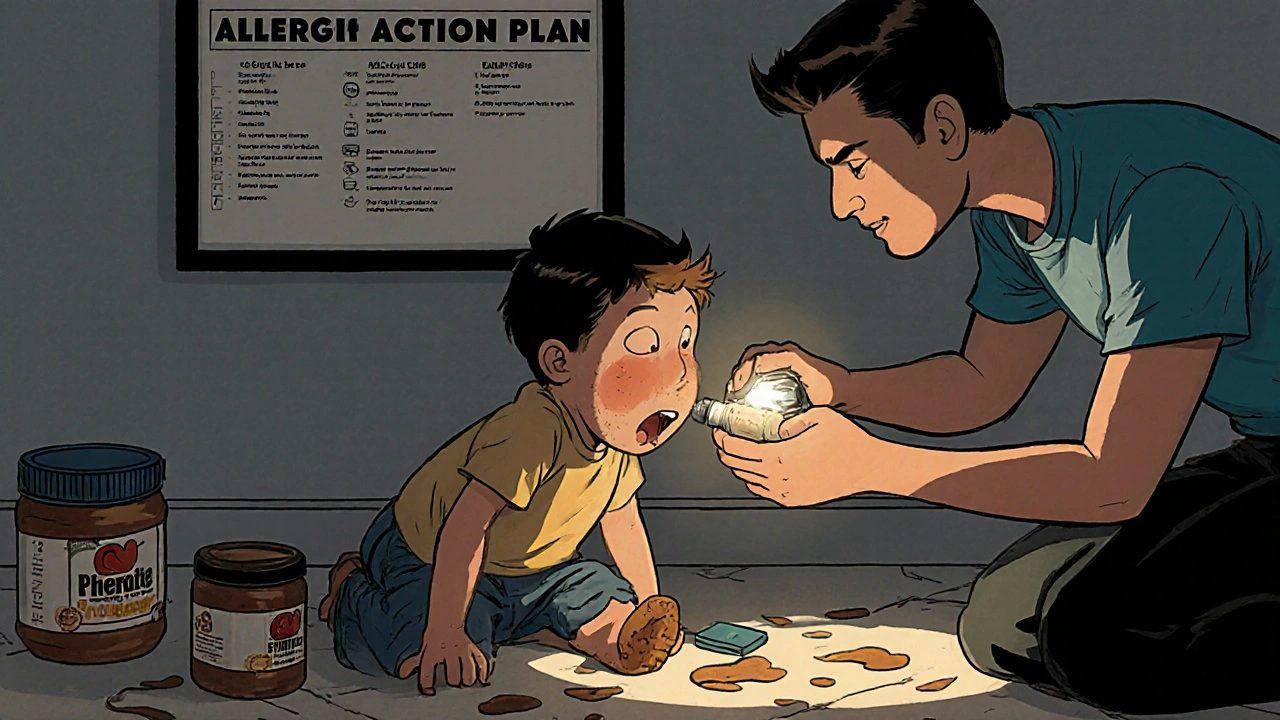
Learn which medications to carry for severe allergies, when to use epinephrine, and why antihistamines aren’t enough. A clear, life-saving guide based on current medical guidelines.