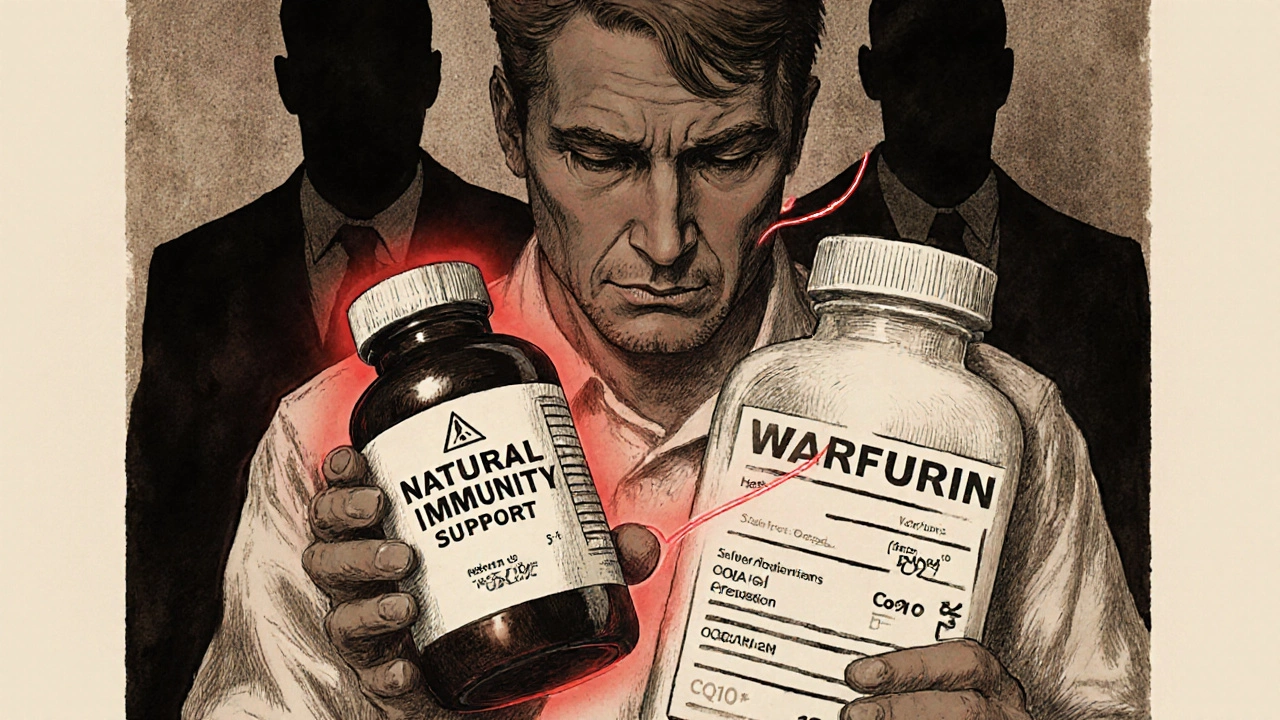
FDA Supplement Labeling: What You Must Know About Truth in Labeling
When you pick up a bottle of vitamins or protein powder, the label isn’t just a list of ingredients—it’s a legal document. FDA supplement labeling, the set of rules the U.S. Food and Drug Administration enforces on dietary supplements. Also known as dietary supplement labeling requirements, it’s the line between honest information and outright deception. Unlike prescription drugs, supplements don’t need FDA approval before they hit shelves. But once they’re out there, the FDA can step in if the label lies, hides risks, or promises miracles.
What can a supplement label actually say? It can list ingredients, serving sizes, and nutritional facts—but it can’t claim to treat, cure, or prevent diseases. That’s the line between a dietary supplement, a product taken to add nutrients to your diet and an unapproved drug. If a bottle says "lowers cholesterol" or "cures arthritis," it’s breaking the rules. The FDA has cracked down on companies making those claims, especially when they use fake studies or celebrity testimonials to back them up. And it’s not just about false claims—labels must also list all ingredients clearly, including any hidden stimulants or unapproved compounds. Some supplements have been pulled because they contained prescription drugs like sildenafil or steroids, hidden under vague names like "proprietary blends."
Another big piece is the supplement facts panel, the standardized table that shows serving size and nutrient amounts. It’s not optional. Every bottle must include it, and the numbers must be accurate. If a label says "1000 mg of vitamin D" but the bottle only has 200 mg, that’s a violation. The FDA also requires warnings if a product contains certain ingredients—like caffeine over 100 mg per serving—or if it’s not safe for pregnant women or people on specific medications. And don’t be fooled by "natural" or "organic" on the front. Those terms aren’t regulated for supplements the way they are for food.
Why does this matter to you? Because you’re paying for what’s on the label. If the label’s misleading, you might be wasting money—or worse, risking your health. The FDA doesn’t test every product, so it’s up to you to read carefully. Look for third-party seals like USP, NSF, or ConsumerLab—they mean an independent group checked the label against the actual contents. And if something sounds too good to be true—"lose 20 pounds in 2 weeks" or "boost brain power instantly"—it probably is.
Below, you’ll find real-world examples of how supplement labeling rules play out in practice—from hidden ingredients to misleading claims—and how to protect yourself when shopping for vitamins, herbs, or protein powders. These aren’t hypotheticals. These are cases that happened. And they’re still happening today.