

- 15
Diphenhydramine Risk Assessment Tool
Assess Your Diphenhydramine Risk
Enter your age and how long you've been using diphenhydramine to see your personalized risk level.
Your Risk Assessment
Recommended Action:
More than 1 in 10 American adults reach for an OTC sleep aid containing diphenhydramine when they can’t fall asleep. You’ve probably seen the ads: diphenhydramine as the quick fix for a restless night. It’s in Benadryl, ZzzQuil, Unisom - cheap, easy to find, and it works... at first. But what happens after the third night? Or the thirtieth? And why are doctors warning people over 65 to avoid it completely?
How Diphenhydramine Really Works (And Why It’s Not What You Think)
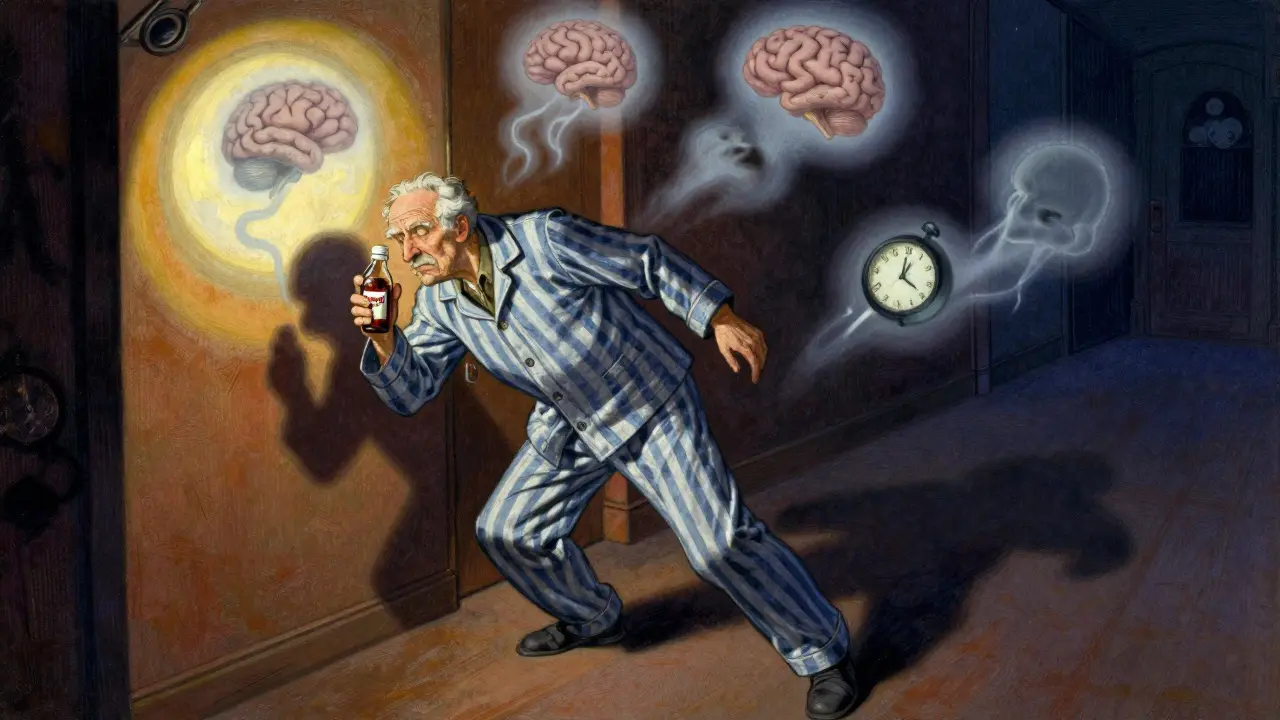
Diphenhydramine was never meant to be a sleep medicine. It was developed in the 1940s as an antihistamine for allergies. Its sleep-inducing effect was an accident - a side effect so strong it became the main use. It blocks histamine, a brain chemical that keeps you alert. But it doesn’t just stop histamine. It also blocks acetylcholine, a key neurotransmitter involved in memory, focus, and muscle control. That’s why you feel drowsy. And why, the next morning, you feel foggy, dry-mouthed, and off-balance.
Unlike newer antihistamines like loratadine or fexofenadine, diphenhydramine crosses the blood-brain barrier easily. A 2023 study found that a 50mg dose - the standard sleep dose - impairs driving ability as much as a blood alcohol level of 0.10%. That’s above the legal limit in every U.S. state. The European Medicines Agency classifies it alongside benzodiazepines as a drug that makes driving dangerous. The FAA bans pilots from using it. If you’re operating machinery, driving, or even just walking down the stairs after taking it, you’re at risk.
The Hidden Costs: Daytime Fog, Falls, and Memory Loss
Most people think, “I take it at night, so the drowsiness is gone by morning.” That’s the myth. In reality, 68% of users report next-day grogginess, poor concentration, and slowed reaction times - even after a full night’s sleep. A 2021 study showed that people who took diphenhydramine performed worse on memory and attention tests than those who took a placebo.
For older adults, the risks get worse. The body clears diphenhydramine much slower with age. In someone over 65, it can stay in the system for up to 18 hours. That means daytime sedation isn’t just annoying - it’s dangerous. A 2023 Consumer Reports survey found that 58% of diphenhydramine users over 65 experienced moderate to severe drowsiness the next day. Nearly half of them reported stumbling, slipping, or falling. One in three users over 65 reported memory problems after regular use.
And then there’s the long-term danger. A 2024 Johns Hopkins study tracking adults over 65 for seven years found that those who regularly used diphenhydramine had a 54% higher risk of developing dementia. That’s not a small increase. That’s a major red flag. The anticholinergic effect - the same one that makes you sleepy - is also linked to brain cell damage over time. The American Academy of Sleep Medicine calls it the “worst possible choice for sleep in older adults.”
Why It Stops Working - And What Happens When You Keep Taking It
Here’s the cruel trick: diphenhydramine doesn’t get better with use. It gets worse. Within just seven days of taking it nightly, 68% of users say it stops working as well. Their bodies build tolerance. So they take more. Or they take it earlier. Or they combine it with alcohol - a deadly mix. The FDA label says it’s for “temporary relief of occasional sleeplessness,” and only for up to 14 days. But a 2022 study found that 73% of users kept taking it beyond that. One in three used it for more than 30 days straight.
Long-term use also brings physical risks. In men over 65 with enlarged prostates, diphenhydramine can cause urinary retention - a painful, sometimes emergency condition. In people with glaucoma, it can trigger sudden, severe eye pressure spikes. And while rare, seizures have been reported, especially in children. The FDA received over 120 reports of seizures linked to diphenhydramine in kids between 2019 and 2023.
Safer Alternatives That Actually Work
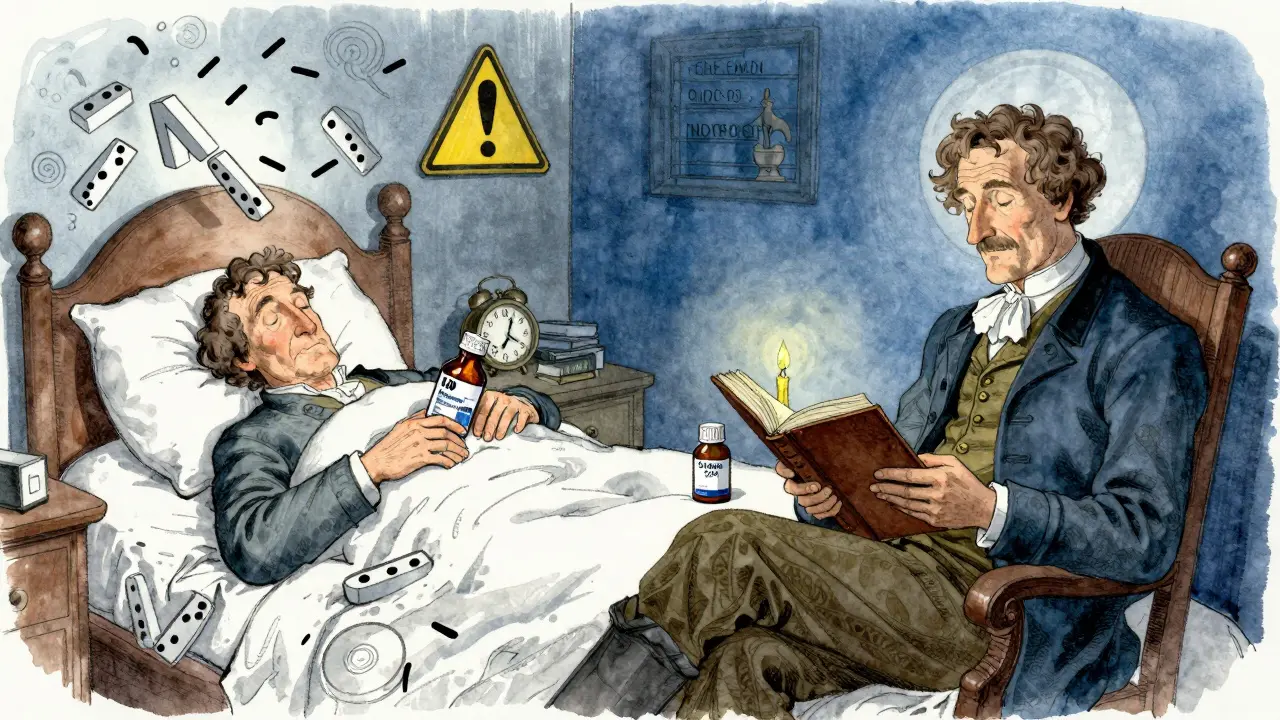
You don’t need diphenhydramine to sleep better. There are safer, more effective options - and most of them don’t come in a bottle.
Melatonin is the most popular alternative. It’s not a sedative. It’s a hormone your body naturally makes to signal bedtime. Taking 2-5mg about an hour before bed helps reset your internal clock. A 2023 meta-analysis found it helped 62% of users fall asleep faster. It doesn’t cause next-day grogginess, doesn’t impair driving, and has no known link to dementia. It’s not magic, but it’s safe for long-term use.
Cognitive Behavioral Therapy for Insomnia (CBT-I) is the gold standard. It’s not a pill. It’s a structured program that teaches you how to break the cycle of anxiety, poor sleep habits, and conditioned wakefulness. Studies show it works for 70-80% of people - and the results last years after treatment ends. Unlike pills, CBT-I doesn’t wear off. It rewires your brain. Many hospitals and sleep clinics offer it. Online programs like Sleepio and CBT-i Coach are also proven effective.
Good sleep hygiene is still the foundation. That means: no screens an hour before bed, keeping your room cool and dark, avoiding caffeine after 2 p.m., and going to bed and waking up at the same time every day - even on weekends. People who stick to these habits see improvements in sleep quality faster than those who rely on pills.
What About Other OTC Sleep Aids?
Some products use doxylamine instead of diphenhydramine. It’s similar - same side effects, same risks. It lasts longer, so next-day grogginess is even worse. Not a better option.
Herbal remedies like valerian root or chamomile? They’re generally safe, but there’s little solid evidence they help with chronic insomnia. They might calm you down, but they won’t fix the root problem.
Prescription sleep drugs like zolpidem (Ambien) are stronger and more effective for short-term use - but they come with their own risks: dependency, sleepwalking, memory blackouts. They’re not for long-term use either. And they’re not a substitute for fixing your sleep habits.

When You Should Talk to a Doctor
If you’ve been using diphenhydramine for more than two weeks, stop. Don’t just quit cold turkey - talk to your doctor. They can help you taper off safely and find the real cause of your sleep problems. Insomnia isn’t just about being tired. It’s often tied to stress, anxiety, sleep apnea, restless legs, or even medication side effects.
Especially if you’re over 65, or have glaucoma, prostate issues, heart problems, or a history of memory issues - diphenhydramine is not worth the risk. There are better ways to sleep.
The Bottom Line
Diphenhydramine gives you a quick fix - but it’s a trap. It works for a few nights, then stops working. It leaves you foggy, unsteady, and at higher risk for falls and dementia. The companies that sell it know this. That’s why the label says “temporary use only.”
Real sleep doesn’t come from a pill. It comes from routine, environment, and mental calm. If you’re struggling, start with melatonin and better sleep habits. If that doesn’t help, ask for CBT-I. It’s not glamorous. It takes effort. But it’s the only thing that actually fixes sleep - without stealing your memory, your balance, or your future.
Lori Anne Franklin
December 26, 2025 AT 03:32i used zzzquil for like 3 years straight bc i thought it was harmless... turns out i was just slowly turning into a zombie. morning fog was so bad i’d forget where i put my keys. not worth it.
Bryan Woods
December 27, 2025 AT 07:02While the data presented here is compelling and aligns with current clinical guidelines, it’s worth noting that access to CBT-I remains severely limited in rural areas. Pharmaceutical alternatives, however flawed, fill a critical gap for many.
Ryan Cheng
December 28, 2025 AT 05:22Hey everyone - if you’re reading this and using diphenhydramine, stop beating yourself up. You weren’t being lazy or weak. The ads made it look safe. But now you know better. Start small: try melatonin + no screens after 9. You got this. And if you slip up? That’s okay. Progress > perfection.
wendy parrales fong
December 29, 2025 AT 10:37why do we always look for a pill to fix everything? sleep isn’t a bug to be patched. it’s a rhythm. like breathing. we just forgot how to do it right. melatonin helped me. not because it’s magic - but because it reminded my body it was bedtime.
Jeanette Jeffrey
December 30, 2025 AT 03:11Wow. Another ‘sleep is spiritual’ post. You people act like diphenhydramine is Satan’s cough syrup. Meanwhile, I’m over here sleeping 8 hours straight on 50mg while you’re meditating and drinking chamomile tea like it’s a cult ritual. Wake up.
Shreyash Gupta
December 31, 2025 AT 22:40India uses this all the time. No one here gets dementia. Maybe your science is wrong? 🤔
Ellie Stretshberry
January 1, 2026 AT 13:14my grandma took this every night for 10 years... she fell twice last year. we stopped it. she sleeps worse now but at least she’s not bruised. i wish someone told us sooner
Zina Constantin
January 3, 2026 AT 03:57as a nurse in a geriatric unit, i’ve seen too many patients on diphenhydramine. confused, shuffling, forgetting their own names. it’s not sleep - it’s chemical sedation. CBT-I saved my mom’s life. no pills. just routine. it’s not sexy but it’s real.
Dan Alatepe
January 4, 2026 AT 02:11bro... diphenhydramine is the sleep of the oppressed. when your life is chaos, and your brain won’t shut off, you take what works. yeah, it’s a trap. but sometimes you don’t have the luxury of ‘sleep hygiene’ when you’re working two jobs and your kid’s crying. don’t judge.
Angela Spagnolo
January 5, 2026 AT 18:06...i didn’t realize how much i was forgetting... my keys... my appointments... my dog’s name once... i thought i was just tired... but then i read this... and stopped... and now... i’m... slowly... remembering... things...
Sarah Holmes
January 5, 2026 AT 18:45How dare you suggest that people over 65 should not be allowed to use diphenhydramine? This is medical authoritarianism at its finest. Who are you to decide what someone can use to achieve rest? The elderly have autonomy! And your ‘studies’ are funded by Big Pharma trying to sell expensive CBT-I subscriptions!
Michael Bond
January 7, 2026 AT 10:35CBT-I works. I did it. 6 weeks. No pills. Now I sleep like a baby.
Kuldipsinh Rathod
January 9, 2026 AT 01:20i tried melatonin. didn’t do much. then i started walking 20 mins after dinner. fell asleep faster than ever. weird how simple stuff works. thanks for the reminder.
jesse chen
January 9, 2026 AT 15:59My dad took this for years… then he got hospitalized for urinary retention. We didn’t even know it could do that. Doctors never told us. Please, if you’re reading this, ask your doctor before taking anything OTC. Seriously.
Joanne Smith
January 10, 2026 AT 22:33So you’re telling me the $3 bottle of ZzzQuil is the reason my grandma forgot my birthday… and I’m the villain for not making her do yoga? 🙃