

The Gut Struggle During Treatment
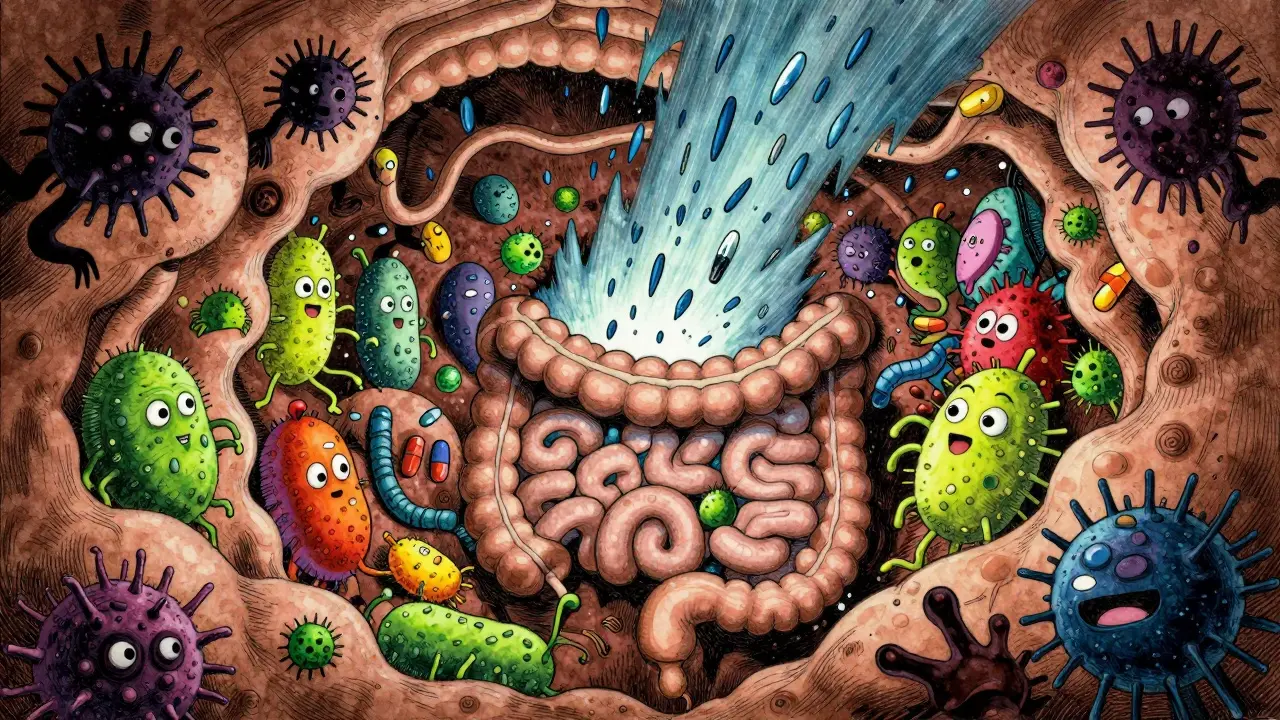
You know the drill. You get an infection, the doctor writes a prescription, and a week later you're dealing with a different kind of problem entirely. Diarrhea isn't just annoying; it's a sign your gut ecosystem is under attack. Antibiotics are powerful tools that kill bad bacteria, but they struggle to distinguish between the enemies and the good guys living in your gut. This collateral damage leads to something called Antibiotic-Associated Diarrhea (AAD), affecting roughly one out of three people taking these drugs.
This brings us to the big question: should you add a backup plan? Clinical evidence suggests adding beneficial bacteria can help you dodge this bullet. However, simply grabbing any bottle off the shelf won't cut it. You need the right species, the right amount, and you need to take them at the right time to actually see benefits rather than wasting money on a sugar pill.
The Science Behind the Relief
It's easy to think probiotics are a magic fix, but the data paints a more nuanced picture. We aren't guessing here. A massive systematic review analyzed 8,670 patients across multiple studies and found that those who took probiotics saw their risk of developing antibiotic diarrhea drop by 42%. For some specific bacterial infections like Clostridioides difficile (C. diff), the protection went even higher, reaching up to 66% reduction in risk.
Gut Microbiome is the diverse community of microbes residing in your digestive tract. When antibiotics wipe this out, your body loses its ability to regulate digestion properly. Probiotics act as temporary scaffolding. They occupy space and resources so the pathogens like C. diff can't set up shop. Dr. Elisa Marroquin, who led recent research on this topic, noted that while antibiotics cause distinct changes in bacterial species, combining treatment with probiotics prevented many of those negative shifts. Essentially, the healthy bugs crowd out the disease-causing ones.
However, efficacy depends on the product's strength. Most studies use doses ranging from 10 billion to 100 billion Colony-Forming Units (CFUs) daily. If your bottle has less than 10 million active cultures, you likely won't feel a difference. This is why reading the label is non-negotiable. You want to see numbers like 10^9 or 10^10 clearly stated per serving, not just a vague promise of "high potency".
Choosing the Right Strain
Not all bacteria are created equal. You wouldn't ask a carpenter to perform brain surgery, and you shouldn't expect a random yogurt culture to fix a gut damaged by aggressive drugs. Two specific strains stand out in the medical literature as the heavy hitters for antibiotic co-administration.
- Lactobacillus rhamnosus GG: Often sold under brand names like Culturelle. This specific strain has decades of clinical backing for preventing AAD. It sticks to the intestinal wall effectively and survives stomach acid.
- Saccharomyces boulardii: Unlike the others on this list, this is actually a yeast, not a bacteria. This matters because antibiotics kill bacteria, but they don't touch yeasts. Taking a yeast-based probiotic ensures that whatever bacteria survive, they aren't wiped out by the medication you're currently swallowing.
Other strains like Bifidobacterium are helpful for long-term restoration after you finish your course, but they generally lack the immediate protective punch of the two mentioned above. A comparison of these top performers looks like this:
| Strain | Type | Best For | Evidence Level |
|---|---|---|---|
| Lactobacillus rhamnosus GG | Bacteria | Preventing Diarrhea | High (Multiple Meta-analyses) |
| Saccharomyces boulardii | Yeast | C. Diff Prevention | Very High |
| Bifidobacterium bifidum | Bacteria | Post-Treatment Recovery | Moderate |
If your pharmacy stocks broad-spectrum formulas with five or six different bacteria, that sounds fancy, but targeted single-strain options often provide better results. Simplicity wins in biology.

The Hidden Dangers You Should Know
While the benefits look great on paper, ignoring the risks is reckless. There are documented cases where probiotics harmed people instead of helping them. Specifically, if you are immunocompromised-meaning you have a weakened immune system due to HIV, chemotherapy, organ transplant meds, or severe chronic illness-you could be at risk for rare bloodstream infections called bacteremia. Between 2010 and 2020, case reports showed instances where live bacteria entered the blood and caused sepsis in vulnerable patients.
Furthermore, there's a newer concern that emerged around 2025 regarding antibiotic resistance genes. A study published in mSphere detected resistance markers in about 38% of commercial probiotic products. These genes transfer traits allowing bacteria to survive drugs like tetracycline and macrolides. While the FDA has issued draft guidance requiring screening for this, the supplement industry is largely self-regulated until stricter laws pass.
This means if you have central venous catheters (like PICC lines) or severe pancreatitis, you should skip probiotics entirely or consult your oncologist first. In these specific hospital settings, the risk of infection outweighs the benefit of stopping a bout of mild diarrhea. Always ask your doctor: "Am I safe to take live cultures?" before starting.
Timing Is Everything
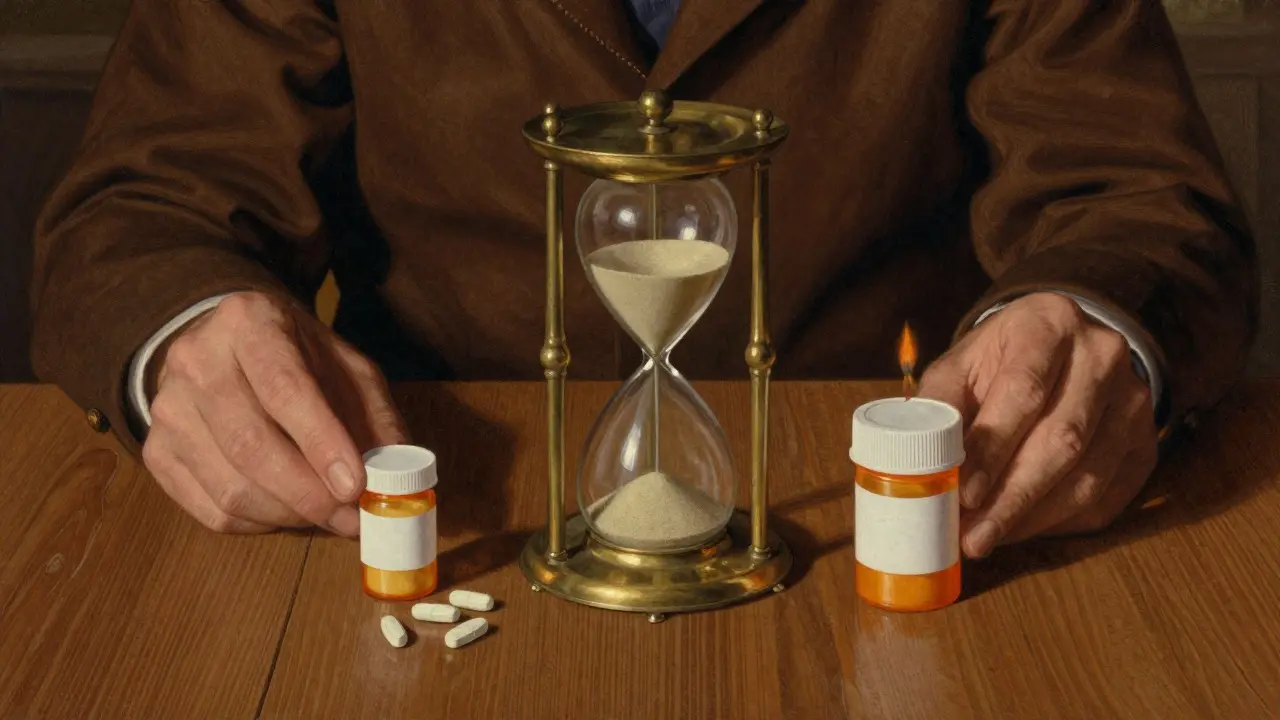
Here is where most people fail. If you swallow your probiotic capsule at the exact same moment as your amoxicillin pill, you've essentially paid $40 for nothing. The antibiotic acts immediately upon entering your system. To maximize survival rates of the probiotic strains, you need to separate them.
Aim for a gap of at least two hours. Ideally, take the antibiotic first thing in the morning or with your evening meal, and save the probiotic for mid-afternoon or before bed. This gives the drug enough time to clear the immediate vicinity so the bacteria can land in the intestines safely. The International Scientific Association for Probiotics and Prebiotics (ISAPP) recommends maintaining this separation to ensure the organisms stay alive.
Dosage duration also matters. Don't stop the probiotics the moment you finish the antibiotic bottle. Your microbiome takes weeks to fully bounce back. Continue the routine for at least two weeks after the last dose of medication to ensure stability returns to normal levels. Think of it as rehabilitation training after an injury.
Navigating Product Quality
You might assume that anything sold at a major chain store is reliable. Unfortunately, testing shows otherwise. Independent analysis by ConsumerLab in recent years revealed that labeling accuracy varies wildly. Some products contained fewer than half the bacteria listed on the box. Others contained bacteria types completely absent from the ingredient list.
To mitigate this, look for third-party verification seals. The USP Verified mark is a gold standard, showing a 92% accuracy rate in product composition compared to 58% for non-verified brands. Storage also plays a role; refrigerated strains typically maintain 78% viability, while room-temperature versions sit around 62%. If you buy a product that requires cold storage, keep it in the fridge consistently. Buying cheap generics is often a false economy because the colony count is likely lower than advertised by the time you pop the cap.
Can I take any probiotic with my antibiotics?
No. You should prioritize specific strains like Lactobacillus rhamnosus GG or Saccharomyces boulardii, as these have proven track records in clinical trials for reducing antibiotic side effects.
How far apart should I take them?
Space them out by at least two hours. Taking them together allows the antibiotic to kill the probiotic bacteria before they can work.
Is it safe for everyone?
Not everyone. People with compromised immune systems or those with central venous catheters should consult a doctor first due to rare infection risks.
Do I need to refrigerate them?
Refrigerated products tend to have higher viability. If your chosen product lists refrigeration, always keep it cold to ensure the live bacteria count remains accurate.
When should I stop taking probiotics?
Continue taking them for 1-2 weeks after finishing your antibiotic course to help restore full balance to the gut microbiome.
Practical Next Steps
If you decide to proceed, start by checking your inventory for a product containing either LGG or S. boulardii. Mark your calendar for the start of your antibiotic therapy and set reminders to separate the dosing times. Monitor your symptoms closely; if you experience unusual bloating, gas, or fever despite the precautions, stop use immediately and report it to your provider. Managing antibiotic side effects is about strategy, not hope.
Victor Ortiz
March 31, 2026 AT 01:55Most people are going to ignore the yeast option even though it is the only thing that actually survives the antibiotic purge.
Amber Armstrong
April 1, 2026 AT 01:08I really appreciate this breakdown because my own experience with stomach issues has been so confusing and frustrating lately.
It makes sense that timing matters so much since the medication kills bacteria instantly upon ingestion.
You have to give those good bugs a fighting chance to settle down in your gut before the chemical storm hits again.
Separating the doses by a couple of hours feels like common sense but I see why most people get it wrong.
My aunt tried taking them together and she ended up spending a lot of money on supplements that did absolutely nothing for her digestion.
I think the part about the immune system risks is really important too because safety should always come first.
We do not want to cause sepsis while trying to fix diarrhea which would be a huge tragedy for anyone dealing with chronic illness.
Reading the labels is definitely something we should all get better at doing before buying these products blindly.
The specific strains mentioned like LGG seem like the ones that doctors actually trust based on the studies.
It is scary to think that generic bottles might contain way fewer live cultures than the box claims on the shelf.
I hope more regulation comes soon so that consumers do not waste their cash on dead powder in a capsule.
Keeping things cold in the fridge helps keep the viability high until you finally open the bottle.
It feels like a small investment to protect your health from the side effects of strong prescriptions.
I wonder how many people suffer silently because they do not know about the two-hour gap rule.
Sharing this information could really save someone from a week of terrible bathroom struggles during their treatment.
We should all look out for each other and share these tips when family members get prescribed heavy meds.
emma ruth rodriguez
April 2, 2026 AT 21:00The scientific consensus regarding S. boulardii indicates superior efficacy; therefore, patients should prioritize yeast-based options.
It is imperative to note that compliance with dosing intervals ensures maximum colony survival rates; otherwise, therapeutic value diminishes significantly.
One must verify third-party certification seals on packaging; unverified sources often misrepresent active culture counts.
Furthermore, individuals with compromised immunity require medical clearance prior to administration; self-medicating carries potential risks.
Always consult clinical guidelines before initiating any supplement protocol alongside pharmacological interventions.
Rick Jackson
April 4, 2026 AT 01:38Balance is key in biology.
If you disrupt the ecosystem too much without restoration efforts the body suffers.
Nature finds a way eventually.
Beccy Smart
April 5, 2026 AT 01:32Honestly most of these studies sound like marketing hype 🙄
Why spend money on extra pills if your poop is fine already? 🤷♀️
sanatan kaushik
April 5, 2026 AT 21:52You do not listen to the science facts enough.
Big companies sell bad products to greedy people who do not care.
Trust the data not the ads on TV.
I lost weight using natural methods.
Debbie Fradin
April 7, 2026 AT 07:40Oh please tell me you read the fine print on your supplement bottle before swallowing it.
Most of you are throwing money in the trash can thinking it helps your gut.
Science clearly shows resistance genes transfer easily between bacteria in the wild market.
Stop acting like vitamins are candy and understand the real biological risks involved here.
Nobody wants to catch a blood infection because they bought cheap yeast online.
Jonathan Alexander
April 7, 2026 AT 09:58It is tragic that people ignore the danger signs until they are hospitalized.
A little precaution goes a long way in preventing major medical events.
Please respect the timeline advice given by experts.
Do not rush the process.
Safety first always.
Charles Rogers
April 8, 2026 AT 20:53People often lack the discipline required to separate the doses by the full recommended interval.
Without strict adherence to the two hour window the entire intervention becomes a complete waste of resources.
Most households fail to track the timing accurately leading to poor clinical outcomes in patients seeking relief.
The integrity of the microbiome depends on precise execution rather than wishful thinking alone.
We judge the quality of our health choices based on how well we follow proven protocols daily.
Ignoring the strain specifics is negligent behavior when evidence supports targeted approaches over general mixes.
You should demand transparency from manufacturers regarding their viability testing results before purchase.
Anything less constitutes consumer fraud against vulnerable populations needing genuine therapeutic support.
Adryan Brown
April 9, 2026 AT 20:54We need to find a middle ground where people feel safe but still get effective help from the treatments.
It is easy to panic when reading about rare infections but that does not mean everyone should stop using them.
The majority of healthy individuals benefit greatly from the protection against severe diarrhea symptoms during recovery.
Staying calm and informed allows us to make better decisions for ourselves and our families moving forward.
We should encourage dialogue with doctors rather than hiding behind internet forums or random advice.
Patience during the healing process is vital because rushing it causes more damage than good initially.
Continuing the routine for weeks after stopping antibiotics helps rebuild the foundation properly.
Everyone reacts differently to these changes in their internal environment so personalization matters immensely here.
Listening to your body signals tells you more than generic advice found on the web often.
Respect the complexity of the human gut microbiota system when considering supplementation strategies for yourself.
Small steps in hygiene and timing yield large rewards in long term digestive stability.
Understanding the difference between bacterial and yeast strains clarifies why one works better than another.
Avoiding central lines or catheters in patients who choose to take them reduces risk substantially.
Checking refrigeration requirements keeps the product viable throughout the storage period.
Keeping these simple rules in mind creates a safer path through difficult medical treatments overall.
Christopher Curcio
April 10, 2026 AT 05:10Gut dysbiosis following antimicrobial therapy requires strategic reintroduction of commensal organisms to restore homeostasis effectively.
I understand many patients struggle to manage the complex timing schedules needed for peak absorption rates.
Clinical metrics indicate significant reductions in incidence rates when specific strains are utilized consistently during the course.
Monitoring physiological responses provides critical feedback loops regarding microbial regeneration success in the colon.
Therapeutic windows dictate temporal separation of administration for optimal colonization efficiency before drug clearance occurs.
Pharmacokinetics play a crucial role in determining the viability of ingested organisms passing through gastric acidity barriers.
We should support each other through this difficult recovery phase with accurate knowledge.
Angel Ahumada
April 10, 2026 AT 14:15Everyone knows the yeast works better than bacteria because antibiotics miss the target but the problem is people dont read labels or understand basic biology so they fail repeatedly due to sheer negligence.
The truth is hidden behind fancy marketing terms designed to confuse ordinary shoppers who just want quick fixes without understanding mechanism action.
Real science demands precision and most consumers settle for mediocre results because they lack patience to investigate deeper layers of research data.
I suppose ignorance remains bliss for the masses but knowledge is power for those willing to seek it through academic journals.
Quality control issues plague the industry yet regulators do nothing to protect public health standards despite clear warning signs emerging globally.
Kendell Callaway Mooney
April 11, 2026 AT 17:40Start with Lactobacillus rhamnosus GG since it has the best track record for most adults.
Take the pill two hours after your medicine to keep the bugs alive.
Keep the bottle in the fridge if the label says it needs cold storage.
Ask your doctor if you are sick or have weak immunity before starting.
Simple steps lead to better gut health overall.
dPhanen DhrubRaaj
April 12, 2026 AT 10:16timing is important yes
store correctly in cool place
dont rush finish treatment
wait two hours minimum always
Vikash Ranjan
April 14, 2026 AT 07:58Why trust these commercial brands when food fermentation creates better cultures naturally.
People rely too much on pills instead of yogurt or kefir at home.
The industry benefits from fear mongering about gut health constantly.
We need natural solutions not expensive powders sold in plastic containers.
Stick to whole foods for long term balance maintenance.