Alcohol Health Risks: What You Need to Know About Long-Term Effects
When you drink alcohol, your body doesn’t just process a drink—it deals with a toxin, a substance that your liver must break down to keep your blood clean. Also known as ethanol, it’s not just about feeling relaxed. Every sip triggers a chain reaction that can quietly harm your organs over time.
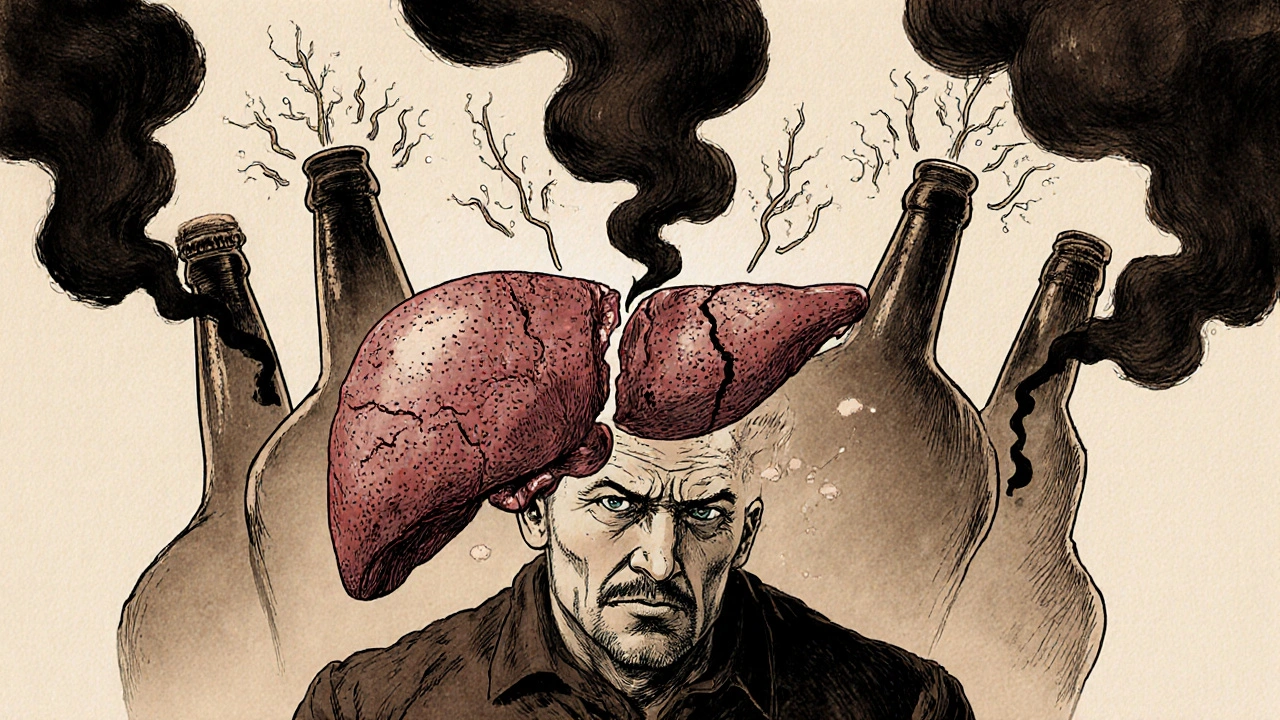
One of the biggest threats is liver damage, a condition that starts with fatty buildup and can lead to scarring, inflammation, or even failure. People who drink heavily over years often develop fatty liver, then alcoholic hepatitis, and eventually cirrhosis—where the liver can’t heal itself. It doesn’t happen overnight, but it’s predictable. And it’s not just the liver. Alcohol and heart disease, a link backed by decades of research, means higher blood pressure, irregular heartbeat, and weakened heart muscle. Even moderate drinking raises your risk of atrial fibrillation, especially after age 50.
Then there’s cancer. The World Health Organization classifies alcohol as a Group 1 carcinogen—the same category as tobacco and asbestos. Drinking increases your risk of at least seven types of cancer, including mouth, throat, esophagus, liver, colon, and breast cancer. For women, even one drink a day can raise breast cancer risk by 5-9%. It’s not about being a heavy drinker; it’s about exposure. Binge drinking, defined as four or more drinks in two hours for women, five or more for men, is especially dangerous because it floods your system with acetaldehyde, a toxic byproduct that damages DNA.
These risks don’t show up in blood tests right away. They build silently. That’s why people who feel fine while drinking are often the ones most at risk—they don’t see the damage until it’s advanced. And it’s not just physical. Alcohol messes with sleep, mood, and brain function over time, making anxiety and depression worse. It doesn’t help you relax—it just delays the crash.
What you’ll find in the posts below isn’t a list of warnings—it’s a clear look at how alcohol interacts with real medical conditions. You’ll see how it affects medications like budesonide/formoterol, how it worsens metabolic syndrome, and why even occasional drinking can interfere with recovery from infections or chronic illness. No fluff. Just facts tied to what matters: your health, your body, and what you can actually do about it.