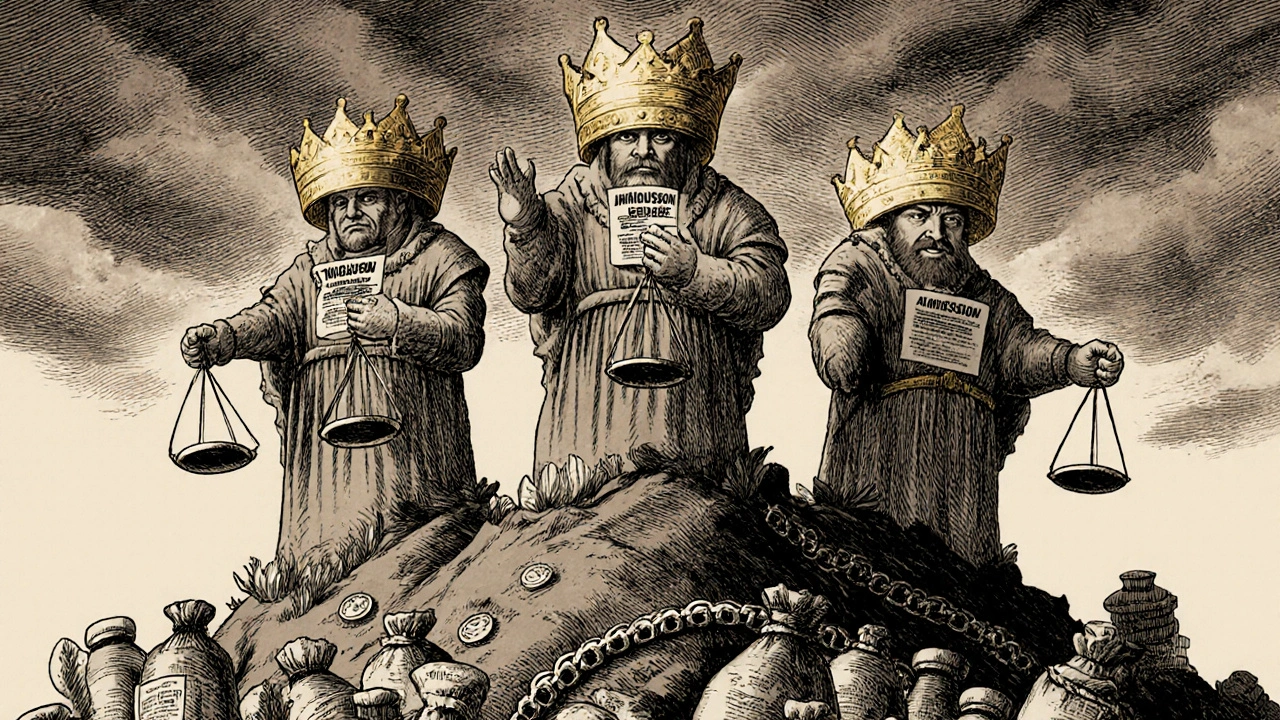
Drug Distribution: How Medicines Get to Patients and Why It Matters
When you pick up a prescription, you rarely think about the journey that pill took—from a factory in India or Germany, through warehouses, distributors, and pharmacies—before it landed in your hands. This process is called drug distribution, the end-to-end system that moves pharmaceuticals from manufacturers to patients. Also known as pharmaceutical supply chain, it’s the invisible backbone of modern healthcare. Without it, even the most effective drug is useless. And yet, millions around the world still can’t get the medicines they need—not because they don’t exist, but because the system that delivers them is broken, uneven, or too expensive.
Behind every pill is a web of rules, called GMP standards, the global guidelines ensuring drugs are consistently produced and controlled to meet quality requirements. These aren’t suggestions—they’re legal requirements enforced by the FDA, EU, and WHO. If a factory skips a step in cleaning equipment or fails to track batch data, the whole shipment gets flagged. That’s why drug manufacturing, the process of producing medicines under strict quality controls is so tightly regulated. But even perfect manufacturing doesn’t guarantee access. A vaccine made in Germany might sit in a cold storage unit for months because shipping it to a rural clinic in Malawi costs more than the vaccine itself. That’s the real problem: drug distribution isn’t just about science—it’s about logistics, money, and power.
Some medicines travel easily: a bottle of ibuprofen can move from a warehouse in Chicago to a corner store in Texas in under 24 hours. Others? Not so much. Take HIV drugs like atazanavir or rare treatments like low-dose naltrexone—they need special handling, cold chains, or limited distribution networks. That’s why vaccine access, generic drug availability, and even the safety of buying gabapentin online all tie back to the same system. Barcode scanning in pharmacies? That’s a fix for one part of the problem—ensuring the right drug reaches the right person. But it doesn’t fix the bigger issue: why some people can’t get the drug at all.
Below, you’ll find real stories from inside this system. You’ll see how GMP failures can block access, how supply chains leave rural communities behind, and why some medications cost ten times more in one country than another. These aren’t abstract policies—they’re the reasons someone might skip their insulin because they can’t afford the shipping fee. This collection doesn’t just explain drug distribution—it shows you how it affects real lives every single day.