OTC Sleep Aids: What Works, What Doesn't, and What to Avoid
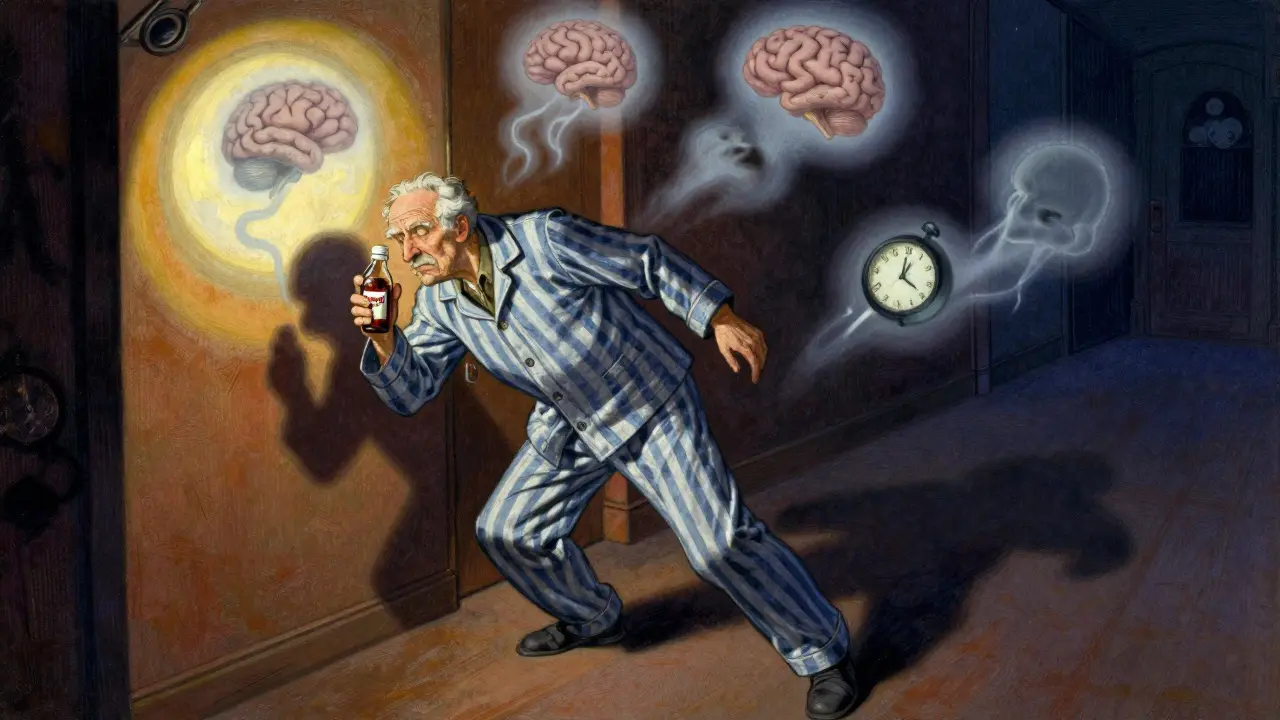
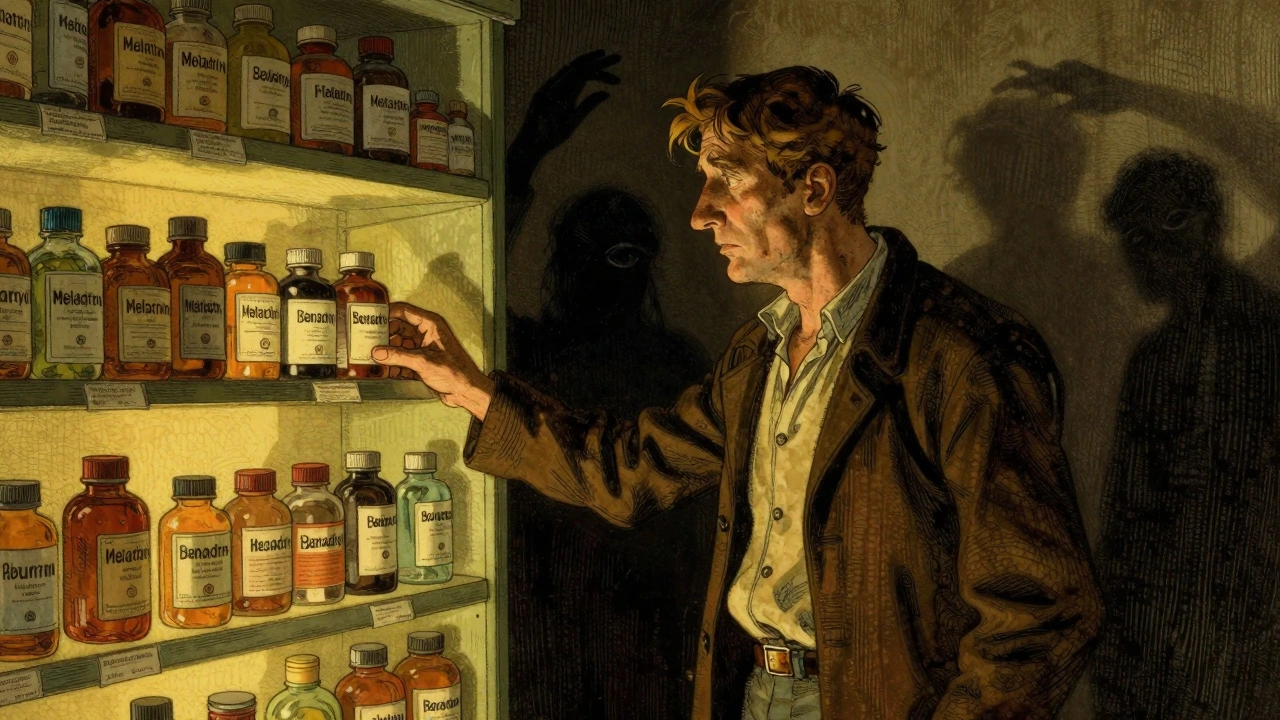
When you can't sleep, OTC sleep aids, over-the-counter medications sold without a prescription to help with short-term insomnia. Also known as sleep aids, they're often the first thing people reach for when lying awake at 2 a.m. But not all of them are safe—or even effective. Many contain antihistamines like diphenhydramine, a sedating antihistamine found in brands like Benadryl and ZzzQuil, which can leave you groggy the next day, mess with your memory, and even raise your risk of dementia with long-term use. Others rely on melatonin, a hormone your body naturally makes to regulate sleep-wake cycles, which can help reset your clock but won’t fix poor sleep habits.
Here’s the truth: most OTC sleep aids treat the symptom, not the cause. If you're tossing and turning because of stress, caffeine after 2 p.m., or untreated sleep disorders, conditions like sleep apnea or restless legs that disrupt rest even when you think you’re sleeping, a pill won’t solve it. In fact, using these products too often can make your body depend on them, and you might end up needing more just to feel the same effect. The real fix? Better sleep hygiene, daily habits like keeping a regular schedule, avoiding screens before bed, and creating a dark, cool bedroom. It’s not sexy, but it works better than any pill.
Some people swear by herbal blends or natural supplements, but here’s the catch: the FDA doesn’t regulate these like drugs. That means what’s on the label isn’t always what’s in the bottle. One study found nearly 80% of melatonin supplements had doses that were way off—some too low to help, others dangerously high. And if you’re taking other meds, especially for heart conditions or depression, these sleep aids can interact in ways you won’t see coming. You might think you’re just grabbing a quick fix, but you could be setting yourself up for bigger problems down the road.
What you’ll find below isn’t a list of the "best" OTC sleep aids. It’s a collection of real, practical insights from people who’ve been there—whether it’s how diphenhydramine affects older adults, why melatonin timing matters more than dosage, or how sleep apnea masquerades as insomnia. These aren’t ads. They’re warnings, alternatives, and straight talk from the pharmacy floor. No fluff. No hype. Just what you need to know before you reach for that bottle again.