
Tinnitus and Sleep: Nighttime Strategies That Actually Work
Learn science-backed strategies to sleep better with tinnitus, including sound therapy, sleep hygiene, and CBT. Discover what works, what doesn’t, and how to start tonight.

When your ears ring, buzz, or hiss without any outside source, you’re dealing with tinnitus sound therapy, a non-drug approach that uses controlled sound to help the brain ignore persistent internal noises. Also known as masking therapy, it doesn’t cure tinnitus—but it can make the noise fade into the background so you stop noticing it.
Tinnitus isn’t a disease. It’s a symptom, often tied to hearing loss, ear damage, or even stress. That’s why treating it isn’t about silencing the sound—it’s about changing how your brain reacts to it. Sound therapy works by introducing gentle, steady noise like white noise, ocean waves, or customized tones. These sounds don’t drown out the ringing. They teach your brain to stop treating it as a threat. Studies show people who use sound therapy daily for 6–12 weeks often report less anxiety and better sleep, even if the ringing doesn’t vanish completely.
Not all sound therapy is the same. Some people use simple apps playing rain sounds. Others wear small devices that look like hearing aids, delivering specific frequencies matched to their tinnitus pitch. There’s also noise therapy for ears, a method that uses broadband noise to stimulate the auditory system and reduce neural hyperactivity. And then there’s tinnitus retraining therapy, a structured program combining sound therapy with counseling to rewire how the brain processes sound. The key is consistency. Skipping days won’t help. You need to make it part of your routine, like brushing your teeth.
What doesn’t work? Turning up the music loud enough to cover the ringing. That can damage your hearing more. Avoid silence too. A quiet room makes tinnitus louder. That’s why many find relief with a fan, a sound machine, or even a low-volume radio tuned to static. It’s not magic—it’s neuroscience. Your brain learns to filter out what it stops seeing as dangerous.
Below, you’ll find real-world guides from people who’ve tried these methods. Some used apps. Others wore devices. A few combined therapy with supplements or lifestyle changes. No single fix works for everyone—but the right approach can make a big difference. You’re not alone. And help is more practical than you think.
Nov, 16 2025
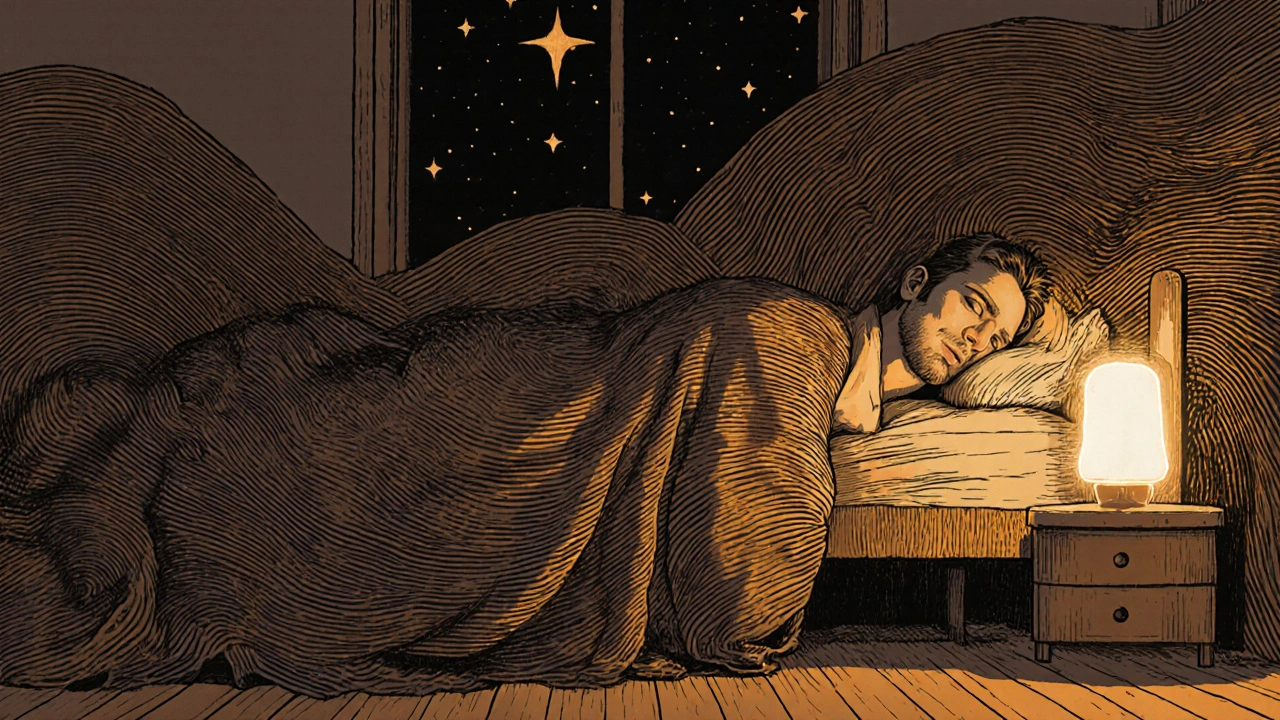
Learn science-backed strategies to sleep better with tinnitus, including sound therapy, sleep hygiene, and CBT. Discover what works, what doesn’t, and how to start tonight.