

- 8
Drug Side Effect Classifier
Understand Drug Side Effects
This tool helps you determine if a side effect is likely predictable (Type A) or unpredictable (Type B) based on medical patterns.
Side Effect Classification
Results will appear here after analysis
When you take a pill, you expect it to help - not hurt. But every medication carries a risk of side effects. Some are common, expected, and fade with time. Others strike out of nowhere, even in healthy people who took the right dose. Understanding the difference between predictable and unpredictable side effects isn’t just academic - it’s a matter of life and death.
What Are Predictable Side Effects?
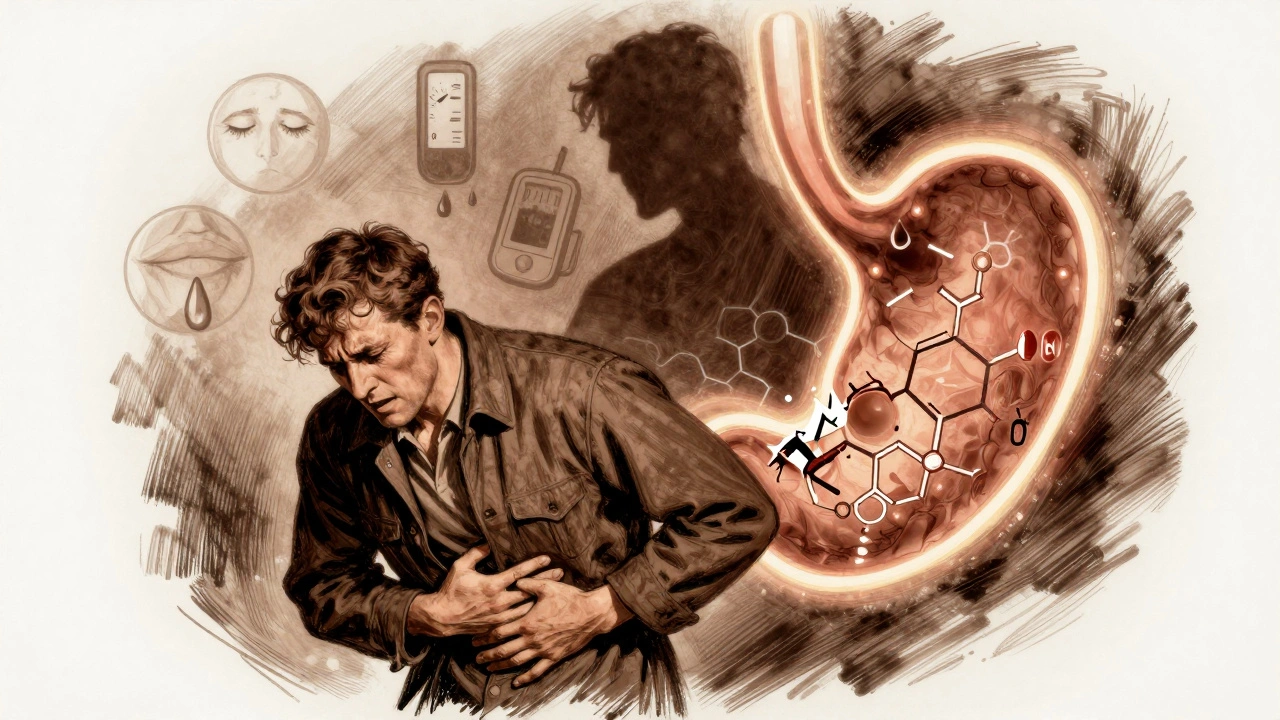
Predictable side effects, known as Type A reactions, make up 75 to 80% of all adverse drug reactions. These aren’t surprises. They happen because the drug does exactly what it’s designed to do - just too much, or in the wrong place. Take NSAIDs like ibuprofen or naproxen. They reduce pain and inflammation by blocking enzymes that cause swelling. But those same enzymes also protect the stomach lining. So when you take too much, or take them too long, you get stomach bleeding. It’s not a glitch. It’s a direct result of the drug’s mechanism. Other common examples:- Sedation from opioids or benzodiazepines
- Low blood pressure from antihypertensives
- Low blood sugar from insulin or metformin
- Dry mouth from antihistamines
What Makes Side Effects Unpredictable?
Unpredictable side effects, or Type B reactions, are the opposite. They’re rare, strange, and don’t follow the rules. You can take the right dose, have no history of problems, and still end up in the hospital. These reactions aren’t about the drug’s main action. They’re about your body’s unique response. Think of it like a faulty alarm system - your immune system or metabolism misfires, and the drug becomes a trigger. Examples include:- Stevens-Johnson syndrome from carbamazepine or sulfonamides - a life-threatening skin reaction
- Anaphylaxis from penicillin, even if you’ve taken it before without issue
- Drug-induced hemolysis in people with G6PD deficiency - red blood cells break down after taking certain antibiotics or antimalarials
- Severe liver damage from acetaminophen in people with certain genetic variations
Why the Difference Matters
The difference between Type A and Type B isn’t just academic. It changes how doctors treat you. Type A reactions are preventable. Your doctor can adjust your dose, switch drugs, or add a protective medication. If you’re on NSAIDs and have a history of ulcers, they’ll likely prescribe a proton pump inhibitor too. If your blood pressure drops too low on a new med, they’ll cut the dose. Type B reactions? Not so easy. You can’t predict them by looking at age, weight, or kidney function. You need genetic testing. For example, before giving abacavir (an HIV drug), doctors screen for the HLA-B*5701 gene variant. If you have it, you’re at high risk for a life-threatening allergic reaction - and you shouldn’t take the drug at all. But here’s the catch: genetic testing only covers about 30% of known high-risk Type B reactions. That means most people still take drugs blindfolded. A 2022 study found that 63% of physicians say penicillin allergy is their biggest concern - but many patients are mislabeled as allergic without proper testing. That leads to unnecessary use of broader-spectrum antibiotics, which drives resistance.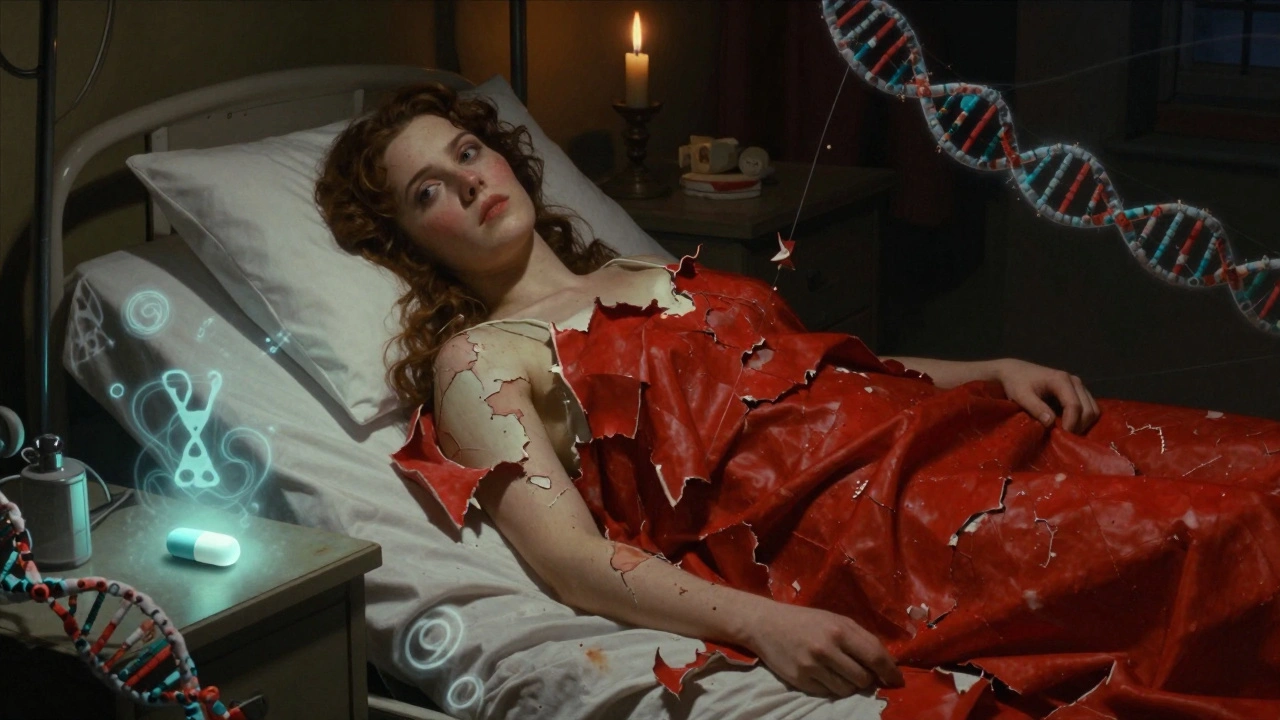
Real Cases, Real Consequences
In one case from the Mayo Clinic, a 68-year-old man started metformin for type 2 diabetes. Within two days, his blood sugar crashed to 48 mg/dL. He was dizzy, confused, and barely responsive. It was a Type A reaction - metformin increased insulin sensitivity too much in someone with reduced kidney function. The dose was lowered, and he recovered. In another case, a healthy 24-year-old woman took sulfamethoxazole for a urinary tract infection. Three days later, her skin began peeling off in sheets. She had toxic epidermal necrolysis - a Type B reaction. She spent weeks in the ICU. Her recovery was long. She lost 40% of her skin surface. She survived - but barely. No one saw it coming. No test could have predicted it. These aren’t outliers. They’re daily realities in emergency rooms and hospitals. According to the Institute of Medicine, over 770,000 people in the U.S. are injured or killed by drug reactions every year. About 20% of those are Type B - rare, but deadly.The Cost of Getting It Wrong
The financial toll is staggering. The U.S. spends $30.1 billion a year managing adverse drug reactions. Predictable reactions account for $22.6 billion - because they’re so common. But unpredictable reactions, though rarer, cost $7.5 billion. Why? Because they’re expensive to treat. ICU stays, skin grafts, long-term rehab, and life-saving drugs like IVIG can cost tens of thousands per patient. Pharmaceutical companies lose billions too. Between 2009 and 2019, 15 out of 24 drug withdrawals in the U.S. were due to unpredictable side effects. One drug, troglitazone, was pulled after causing fatal liver failure in a small number of users. It had worked for thousands - but the risk was too high. That’s the tragedy of Type B reactions: they’re rare, but they can kill the whole drug.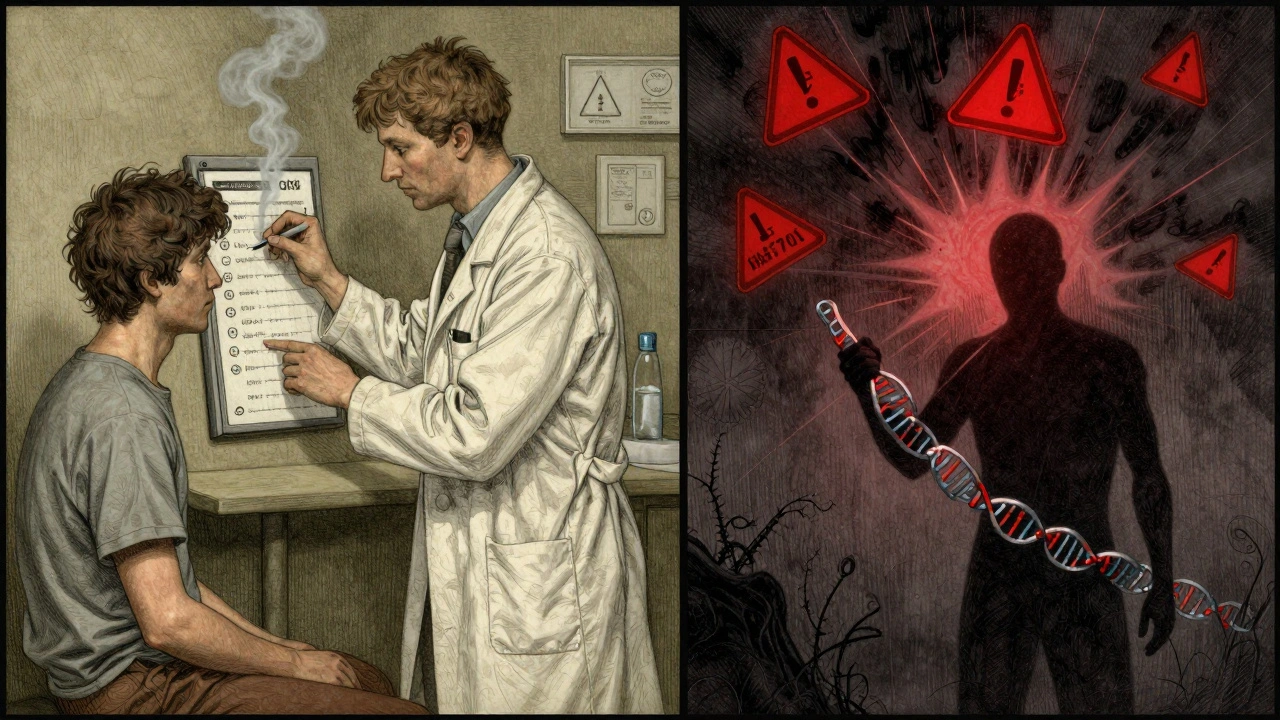
What’s Being Done?
The good news? Things are changing. The FDA now requires Risk Evaluation and Mitigation Strategies (REMS) for drugs with high Type B risk. That means special training for prescribers, patient education, and sometimes mandatory testing. There are 64 active REMS programs as of 2023. Genetic testing is catching up. In 2015, only 5% of U.S. hospitals tested for HLA variants before prescribing certain drugs. By 2023, that number jumped to 38%. The NIH’s All of Us program has identified 17 new gene-drug links, including ones that raise risk for reactions to phenytoin in non-Asian populations - something no one knew before. Even AI is getting involved. Google Health trained an algorithm on 10 million electronic health records. It could predict Type A reactions with 89% accuracy. But for Type B? Only 47%. That tells you how much harder they are to foresee.What You Can Do
You don’t need to be a doctor to protect yourself.- Know your meds. If you’re on a new drug, ask: “What are the common side effects? What should I watch for?”
- Report anything unusual - even if it seems small. A rash, fever, or unexplained fatigue could be the first sign of a Type B reaction.
- Get tested if you’re at risk. If you’re of Asian descent and prescribed carbamazepine, ask about HLA-B*1502 testing. If you’ve had a bad reaction to penicillin, get a proper allergy test - don’t just assume you’re allergic for life.
- Keep a list of all your meds, including supplements. Many reactions happen because of interactions.
What’s Next?
The future of drug safety lies in precision medicine. Imagine a world where your DNA is checked before you’re prescribed anything. Where your liver enzymes, immune markers, and metabolic profile guide your treatment. That’s not science fiction - it’s happening in clinics right now. But we’re not there yet. For now, awareness is your best defense. Understand that side effects aren’t all the same. Some are warnings. Others are red flags. And knowing which is which makes all the difference.Are all side effects dangerous?
No. Many side effects are mild and temporary - like drowsiness from antihistamines or nausea from antibiotics. These are usually predictable (Type A) and go away as your body adjusts. Dangerous side effects are typically rare, severe, and unpredictable (Type B), such as severe skin reactions or anaphylaxis. The key is knowing which ones require immediate medical attention.
Can you prevent unpredictable side effects?
Sometimes. For a few drugs, genetic testing can prevent serious reactions - like testing for HLA-B*5701 before taking abacavir or HLA-B*1502 before carbamazepine. But for most unpredictable reactions, there’s no test yet. That’s why reporting unusual symptoms early is critical. If you’ve had a bad reaction before, tell every doctor and pharmacist.
Why do some people react badly to a drug while others don’t?
It’s often genetics. Your genes control how your body breaks down drugs, how your immune system responds, and how sensitive your organs are. A variation in a single gene - like CYP2C9 for blood thinners or HLA-B for skin reactions - can turn a safe drug into a deadly one. Environment, age, and other meds also play a role, but genetics is the biggest unknown.
Is it safe to keep taking a drug if I have a mild side effect?
It depends. Mild, predictable side effects like dry mouth or dizziness often fade with time. But if you develop a rash, swelling, trouble breathing, or unexplained fever, stop the drug and call your doctor immediately. These could be early signs of a serious Type B reaction. Never ignore sudden changes - even if they seem minor.
Do pharmacists check for drug interactions?
Most pharmacies use automated systems to flag major interactions, especially between common drugs like blood thinners, statins, and antibiotics. But they can’t catch everything - especially rare genetic reactions or interactions with supplements. Always tell your pharmacist about everything you take, including vitamins, herbal products, and over-the-counter meds.
Are newer drugs safer than older ones?
Not necessarily. New drugs are tested on thousands of people before approval, but rare reactions (Type B) often only show up after millions of people use them. That’s why some drugs are pulled from the market years after launch. Older drugs have longer safety records - but they’re not risk-free. The key is knowing the profile of each drug, not assuming age equals safety.
Louis Llaine
December 8, 2025 AT 23:33So let me get this straight - we’re putting people on drugs with zero idea if their body’s gonna turn into a human grenade, but we’re fine with it because ‘it’s only 20%’? Cool. Cool cool cool. I’ll just keep popping my pills like candy and hope my skin doesn’t start peeling off like a bad Halloween costume. 🤡
Jane Quitain
December 10, 2025 AT 10:58OMG this is SO important!! 🙌 I had no idea some side effects are just... normal? Like my drowsiness from antihistamines? I thought I was just lazy 😅 But the scary ones?? Like skin peeling?? That’s terrifying!! Please everyone, tell your docs everything - even if it feels silly!! 💖
David Brooks
December 11, 2025 AT 21:12THIS. RIGHT HERE. This is the kind of article that should be mandatory reading in high school. Imagine if we all learned this before we ever got our first prescription. No more blind faith. No more ‘it’s probably fine.’ We’re talking about LIVES here - not just side effects on a pamphlet. I’m sharing this with my entire family. Everyone needs to know this stuff. We’re not just patients - we’re warriors in our own health battles. 💪🔥
Jennifer Anderson
December 13, 2025 AT 09:44so like... i didnt realize that even if youve taken a drug before and its fine, you can still have a crazy reaction later?? like my cousin took penicillin for years and then one day just... boom. hospital. no warning. i told my doc about it and she was like ‘oh yeah we should test that’ - but most docs dont even think to ask. we gotta be our own advocates. also, pls tell your pharmacist about your gummy vitamins. they count. 😅
Sadie Nastor
December 14, 2025 AT 11:47thank you for writing this 💙 i’ve been scared to ask questions at the doctor’s because i don’t want to sound ‘stupid’... but this made me realize i’m not being paranoid - i’m being smart. i’m gonna print this out and bring it to my next appt. also, i just realized i’ve been taking melatonin with my blood pressure med... maybe that’s why i feel so weird in the mornings? 😅 i’m gonna call my pharmacist today. small steps, right?
Nicholas Heer
December 15, 2025 AT 08:54THEY’RE HIDING THE TRUTH. You think this is about ‘genetics’? Nah. It’s about the FDA being in bed with Big Pharma. They know about these reactions - they’ve known for DECADES. Why no mass genetic screening? Because it’d cost too much. Why no black boxes on every drug? Because they’d lose billions. They’d rather let a few thousand die quietly than admit the system’s rigged. Wake up. Your DNA isn’t the problem - their profit margins are. #PharmaCoverup
Sangram Lavte
December 16, 2025 AT 17:00Very informative. In India, many people take antibiotics without prescription. I have seen cases where someone took a drug for fever and got liver damage. No one knew about side effects. This article should be translated and shared in local languages. Awareness saves lives. Simple as that.
Oliver Damon
December 17, 2025 AT 02:08What’s fascinating is how this reveals a fundamental tension in modern medicine: standardization vs. individuality. We treat disease like a math problem - dose X for condition Y - but biology is poetry. A single SNP can turn a life-saving drug into a death sentence. And yet, we still operate on population averages. The future isn’t just precision medicine - it’s humility medicine. We need to accept that we don’t know enough, and design systems that assume ignorance rather than pretend it doesn’t exist.