Alcohol Addiction: Signs, Risks, and What Actually Helps
When someone has alcohol addiction, a chronic condition where the brain and body become dependent on alcohol despite harmful consequences. Also known as alcohol use disorder, it’s not a moral failing—it’s a medical issue that rewires how your brain rewards behavior. You don’t have to drink every day to be addicted. It shows up when you need a drink to feel normal, when you keep drinking even after it hurts your health, relationships, or job, or when you try to quit but can’t stay stopped.
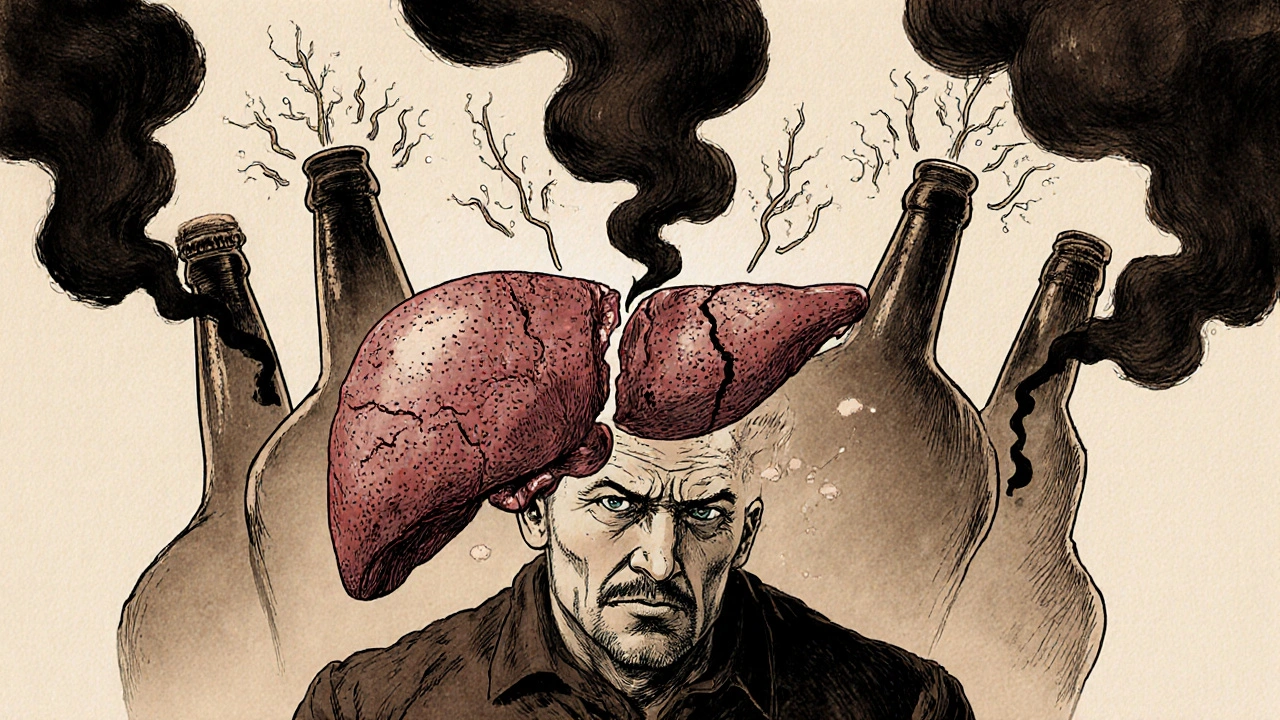
Alcohol addiction doesn’t happen overnight, but it often hides in plain sight. Many people don’t realize they’re dependent until they try to cut back and face withdrawal symptoms, physical reactions like shaking, sweating, nausea, or even seizures when alcohol levels drop. These aren’t just discomfort—they’re your nervous system screaming for the substance it’s been trained to expect. Over time, heavy drinking also leads to liver damage, including fatty liver, inflammation, and cirrhosis, which can be irreversible. And it’s not just your liver. Alcohol affects your heart, brain, pancreas, and immune system. It’s linked to higher risks of cancer, depression, and accidents.
What makes alcohol addiction so hard to beat isn’t just the physical craving—it’s the emotional weight behind it. People use alcohol to cope with stress, trauma, loneliness, or anxiety. That’s why treatment needs to go beyond just stopping drinking. It’s about finding healthier ways to manage emotions, rebuild relationships, and restore daily function. Some find success with counseling, others with support groups, and for many, medication helps reduce cravings or block the pleasurable effects of alcohol. The good news? Recovery is possible at any stage, and help exists in many forms.
Below, you’ll find real, practical guides that connect alcohol addiction to other health issues you might not expect—like how it interacts with asthma medications, what it does to your bones, and why mixing it with certain drugs can be dangerous. These aren’t theoretical articles. They’re based on what people actually experience, what doctors see in clinics, and what the science says works.