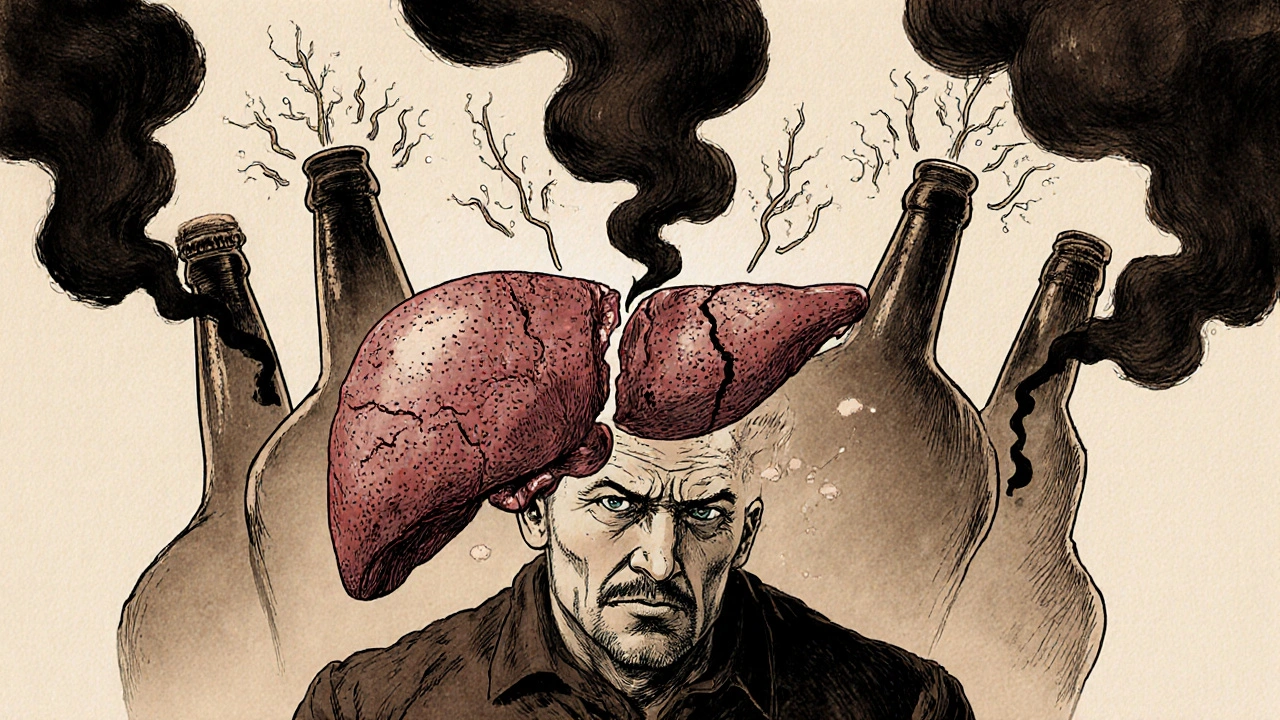
Alcohol Withdrawal: Symptoms, Risks, and What Helps
When someone who drinks heavily every day suddenly stops, their body goes through alcohol withdrawal, a physical and psychological reaction to the absence of alcohol after prolonged use. Also known as alcohol detox syndrome, it’s not just feeling shaky or irritable—it’s a medical event that can turn life-threatening without proper care. This isn’t about willpower. It’s about brain chemistry. Your nervous system gets used to alcohol’s depressant effects, and when it’s gone, your brain goes into overdrive trying to compensate. That’s when symptoms like tremors, sweating, nausea, and anxiety kick in.
Alcohol dependence, a chronic condition where the body relies on alcohol to function normally is the root cause. People with this condition often don’t realize how deep the hold is until they try to quit. The severity of alcohol withdrawal, a physical and psychological reaction to the absence of alcohol after prolonged use depends on how much and how long they’ve been drinking. Someone who downs a bottle of whiskey daily for five years faces a very different risk than someone who drinks a few beers most nights. Withdrawal symptoms can start as early as 6 hours after the last drink, peak around day 2 or 3, and last up to a week. But the danger isn’t just in the shaking hands—it’s in the seizures, hallucinations, and delirium tremens (DTs), which can kill.
That’s why medical supervision, professional monitoring during alcohol detox to prevent complications isn’t optional for heavy drinkers. You can’t just tough it out at home. Medications like benzodiazepines, a class of drugs used to calm the nervous system during alcohol withdrawal are standard because they reduce overexcitement in the brain and prevent seizures. Other treatments address dehydration, low blood sugar, and electrolyte imbalances. Even if you think you’re "just a social drinker," if you’ve been drinking every day for months, your body has adapted—and stopping cold turkey could be risky.
What you’ll find in the posts below isn’t just theory. It’s real-world insight from people who’ve dealt with this, and from medical guides that break down what actually works. You’ll see how alcohol interacts with medications like budesonide/formoterol, why some people need more than just willpower to quit, and how conditions like metabolic syndrome or liver disease make withdrawal even more complicated. These aren’t abstract ideas—they’re practical, tested approaches that help people get through this safely. Whether you’re asking for yourself, a loved one, or just trying to understand, this collection gives you the facts without the fluff.