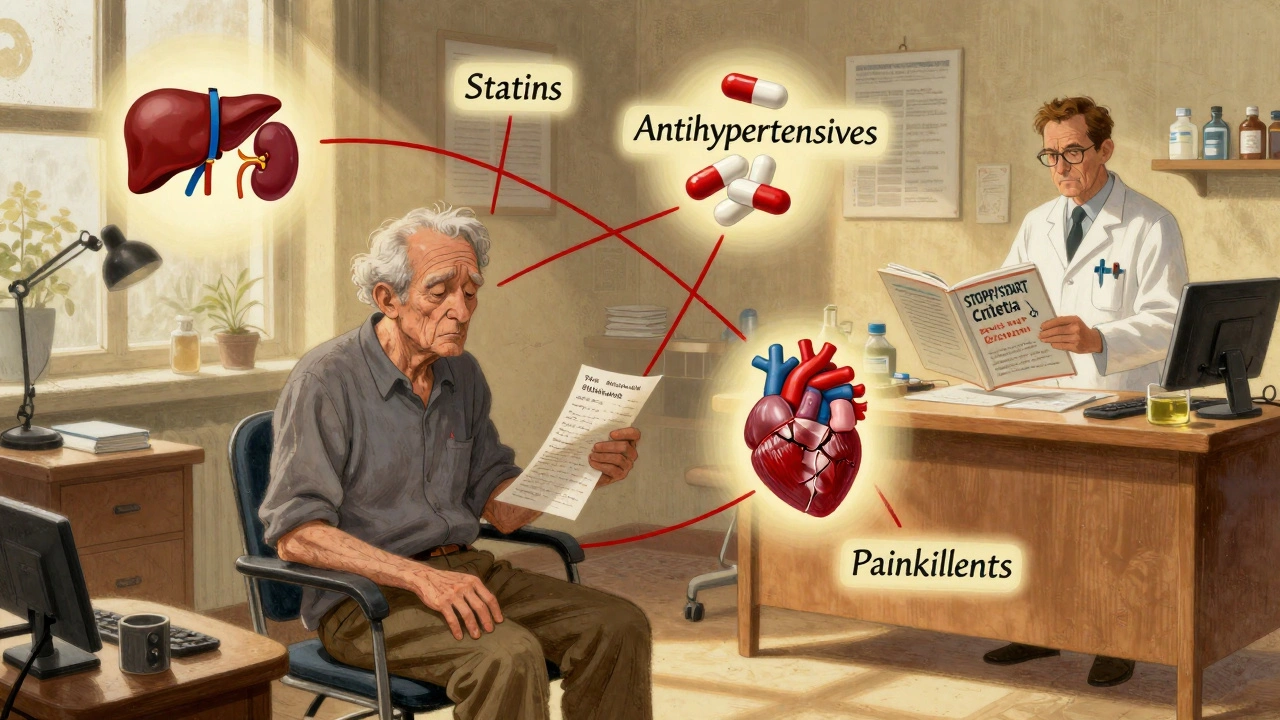
Medication Risks: What You Need to Know About Side Effects and Dangerous Interactions
When you take a medication risk, any potential harm caused by a drug, whether from side effects, interactions, or improper use. Also known as drug-related harm, it’s not just about rare reactions—it’s about what happens when common pills mix in ways no one warns you about. Most people think side effects mean a rash or upset stomach. But the real dangers? They’re quieter: tremors from transplant drugs, dangerously low blood pressure from combo prescriptions, or liver damage from supplements that don’t even list their ingredients.
These risks don’t happen in a vacuum. They’re tied to how drugs work in your body. For example, drug interactions, when two or more medications affect each other’s behavior in your system can turn a safe dose into a medical emergency. Take tizanidine and ciprofloxacin together? That combo can drop your blood pressure to unsafe levels and make you so drowsy you can’t stand. Or mix H2 blockers with PPIs? You’re not getting better—you’re increasing your risk of kidney damage, bone loss, and infections. And it’s not just prescriptions. supplement safety, how herbal products and vitamins interact with your medicines is a blind spot. Most labels don’t warn you. A common multivitamin could mess with your blood thinner. A turmeric pill might make your statin cause muscle pain.
Even something as simple as how you take your medicine matters. Liquid antibiotics lose strength after two weeks. EpiPens expire and shouldn’t be kept in hot cars. And if your pharmacist swaps your brand drug for a generic without telling you? That’s legal in most states—but not always safe. Some generics work fine. Others? They trigger different side effects because of tiny differences in fillers or how they’re absorbed. You don’t need to be a pharmacist to spot trouble. You just need to know what to ask: Is this the right drug for me? Could it react with anything else I take? What happens if I skip a dose or take it wrong?
Medication risks aren’t about fear. They’re about awareness. The posts below cover real cases—like how NT-proBNP tests help catch heart failure before it’s too late, or why barcode scanning in pharmacies cuts errors by 93%. You’ll see how statins differ by type, why certain sleep apnea cases raise your stroke risk, and how to safely get off acid meds that were never meant for long-term use. These aren’t theoretical warnings. They’re lessons from clinics, hospitals, and patient experiences. What you learn here could stop a hospital visit—or save a life.