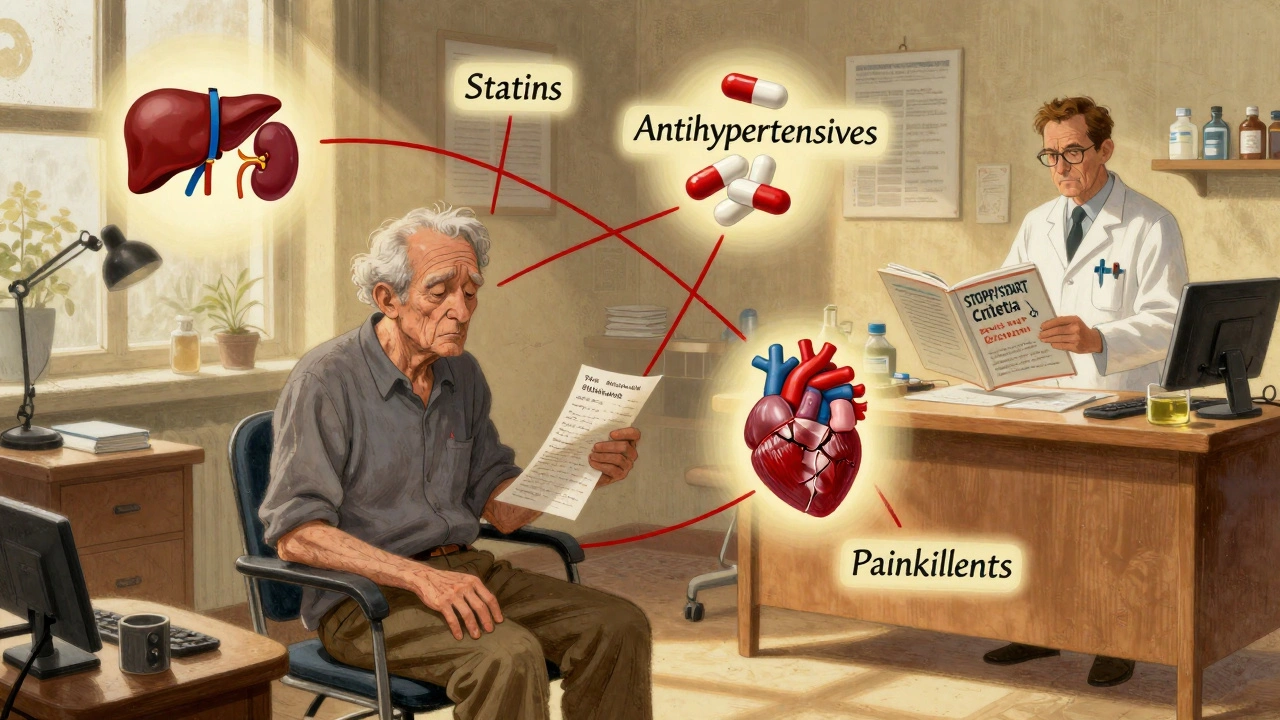
Polypharmacy: When Too Many Medications Become a Risk
When someone takes polypharmacy, the use of five or more medications at the same time. Also known as multiple medication use, it’s common in older adults and people with chronic conditions—but it’s not harmless. Every extra pill adds a chance for something to go wrong. This isn’t about taking vitamins or occasional painkillers. This is about a daily cocktail of blood pressure drugs, diabetes meds, antidepressants, sleep aids, and acid reducers—often prescribed by different doctors, with little coordination.
What makes polypharmacy dangerous isn’t the number alone, but the drug interactions that sneak up on you. Take tizanidine and ciprofloxacin together? That combo can drop your blood pressure to dangerous levels. Combine H2 blockers and PPIs? You might be doubling down on side effects with no extra benefit. Even something as simple as a statin can cause muscle pain if it’s the wrong type for your body. These aren’t rare cases—they’re routine in clinics where doctors treat symptoms, not the whole person.
And it’s not just about bad reactions. medication safety also means knowing what’s still needed. Many people keep taking drugs long after they’ve outlived their purpose. A liver enzyme test might have been normal a year ago, but now? That drug might be doing more harm than good. Older adults are especially vulnerable—slower metabolism, weaker kidneys, and cognitive changes make them less able to handle complex regimens. That’s why elderly medication use is one of the biggest red flags in modern healthcare. You don’t need to stop everything at once. But you do need to ask: Is this still helping? Could something be removed? What’s the real goal here?
Below, you’ll find real-world guides that cut through the noise. From how to read supplement labels to spotting dangerous combos, from why liquid antibiotics expire so fast to how barcode scanning cuts errors in pharmacies—this collection gives you the tools to ask smarter questions. No fluff. No jargon. Just what you need to take back control of your meds before they take control of you.