
How to Report Adverse Drug Reactions to FDA MedWatch
Learn how to report adverse drug reactions to the FDA's MedWatch system. Understand what counts as reportable, how to file a form, and why your report matters - even if you're not a doctor.
- 11

When you take a medication, you expect it to help—not hurt. But adverse drug reactions, unintended and harmful responses to medicines taken at normal doses. Also known as drug side effects, they’re one of the leading causes of hospital visits and even deaths—yet most people don’t know how to recognize them early. These aren’t just rare glitches. Up to 40% of transplant patients on tacrolimus develop tremors or headaches, even when their blood levels look fine. That’s not a coincidence—it’s a warning sign.
Adverse drug reactions happen because your body doesn’t always respond the way a drug label promises. Some reactions are predictable, like stomach upset from NSAIDs. Others are sneaky: a common antibiotic like ciprofloxacin can crash your blood pressure if mixed with tizanidine. Or take statins—some cause muscle pain because they’re lipophilic and slip into muscle tissue easily, while hydrophilic ones don’t. It’s not about the drug alone; it’s about your genetics, other meds, age, and even what you eat. And it’s not just prescription drugs. Supplements? They’re not regulated like medicines, so hidden interactions can slip through. One study found that nearly half of older adults taking multiple drugs had at least one dangerous combo they didn’t know about.
These reactions aren’t random. They cluster around certain types of drugs: immunosuppressants, antibiotics, heart meds, acid blockers, and painkillers. And they often get missed because symptoms like fatigue, confusion, or dizziness get blamed on aging or stress. But they’re not normal. If you start feeling off after starting a new pill, it’s not "just how your body adjusts." It could be your body telling you something’s wrong. Pharmacovigilance isn’t just for doctors—it’s something you need to be part of. Knowing what to watch for, when to call your provider, and how to track your meds can stop a small reaction from becoming a crisis.
Below, you’ll find real-world guides on exactly how these reactions show up, which combinations to avoid, and how to protect yourself. From why liquid antibiotics expire in two weeks to how to safely dispose of expired EpiPens, every post here is about spotting danger before it hits. No fluff. No theory. Just what you need to know to stay safe.
Dec, 29 2025

Learn how to report adverse drug reactions to the FDA's MedWatch system. Understand what counts as reportable, how to file a form, and why your report matters - even if you're not a doctor.
Dec, 28 2025

Idiosyncratic drug reactions are rare, unpredictable side effects that can be life-threatening. Unlike common reactions, they're not dose-related and often appear weeks after starting a medication. Learn what causes them, how they're diagnosed, and what to do if you suspect one.
Dec, 7 2025

Learn the difference between predictable and unpredictable drug side effects, why they matter for safety, and how genetics and dosing impact your risk. Understand what to watch for and how to protect yourself.
Dec, 4 2025
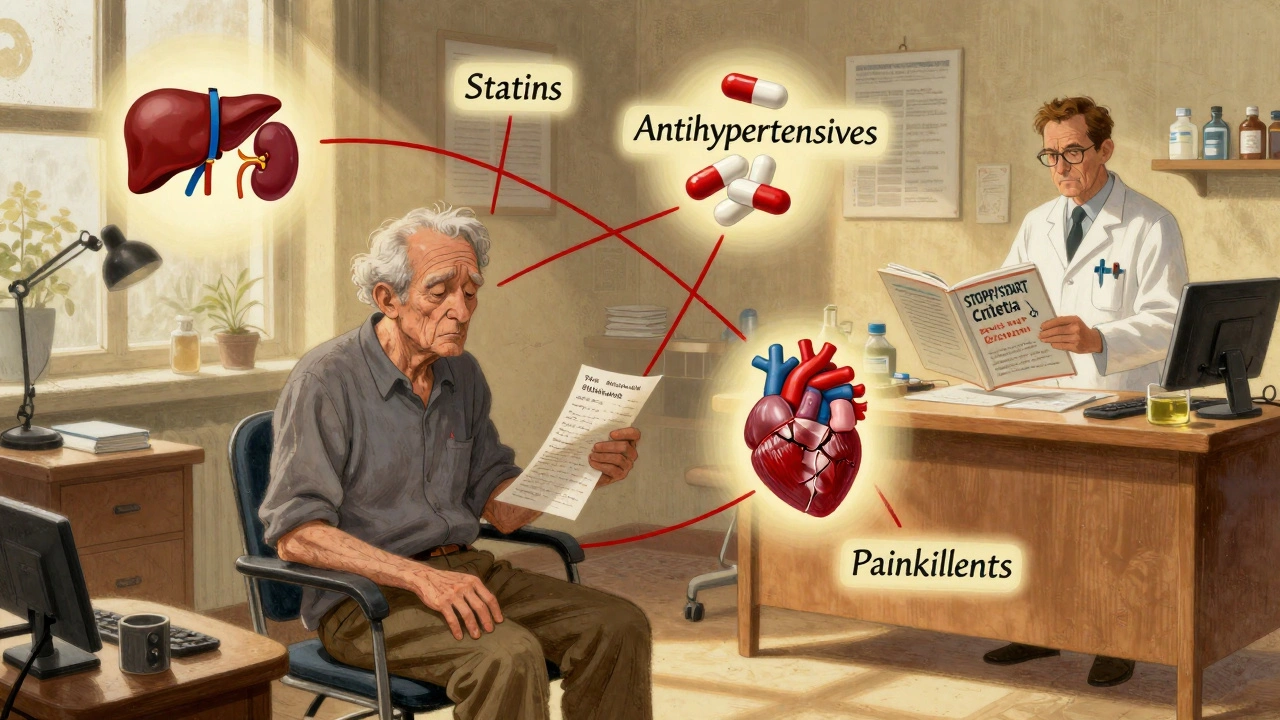
Comorbidities like diabetes, kidney disease, or heart failure can turn common medications into serious risks. Learn how existing conditions change drug safety, why polypharmacy is dangerous, and what steps you can take to protect yourself.